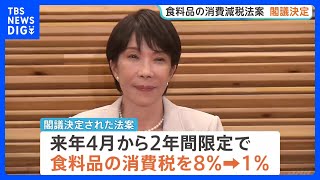
TOKYO - The Japanese government has set a new wage policy target aimed at achieving a real wage increase of around 1% by fiscal 2029, taking inflation into account. To support this goal, it plans to mobilize public and private investment totaling approximately 60 trillion yen over the next five years to boost corporate productivity.
In particular, the government intends to strengthen support for 12 industries facing severe labor shortages, including the food service and accommodation sectors. The measures are designed to help small and midsize businesses raise wages by improving operational efficiency and easing employment constraints.
Over the past decade, real wage growth in Japan has remained sluggish, reflecting a complex interplay of structural economic challenges, demographic shifts, and persistent deflationary pressures. Despite nominal wage increases in some years, these gains were often offset by rising consumer prices, resulting in stagnant or declining real wages. Following the 2008 global financial crisis, Japan's labor market gradually recovered in terms of employment numbers, but wage growth lagged behind. The rise of non-regular employment—part-time, temporary, and contract jobs—contributed to this stagnation, as these roles typically offer lower pay and fewer benefits than full-time positions. Even amid a tightening labor market in the mid-2010s, when unemployment dropped to historically low levels, employers remained cautious about raising base salaries, relying instead on temporary bonuses or non-wage incentives to attract workers.
The administration of Prime Minister Shinzo Abe, under the banner of "Abenomics," introduced various measures to stimulate wage growth, including urging major corporations to raise pay during annual spring wage negotiations. While some large firms did comply, the impact on the broader labor market was limited, particularly among small and midsize enterprises that lacked the financial flexibility to offer sustained raises. Additionally, structural factors such as declining labor productivity and a rapidly aging population constrained broader wage momentum. Between 2015 and 2019, real wages in Japan showed only mild improvement, with occasional dips during years of higher inflation or external shocks.
The COVID-19 pandemic further disrupted wage trends, particularly in service-oriented industries like hospitality, retail, and tourism. Many of these sectors saw significant job losses or reduced hours, leading to a sharp decline in household earnings. Although government subsidies and emergency relief measures helped cushion the blow, real wages dropped noticeably in 2020. As the economy began to recover in 2021 and 2022, labor shortages in specific sectors began to re-emerge, but wage recovery remained uneven. Inflationary pressures that surfaced in 2022 and 2023—driven by global supply chain disruptions and energy price spikes—eroded purchasing power, leading to a prolonged period of negative real wage growth. Data from the Ministry of Health, Labour and Welfare indicated that real wages declined in most months throughout 2022 and 2023, even as nominal wages rose slightly.
In response to these persistent issues, the Japanese government has recently intensified its focus on wage reform as a key pillar of economic revitalization. The 2024 and 2025 spring wage negotiations (shuntō) saw more aggressive pushes from both the government and labor unions for meaningful increases in base pay. Some major firms, particularly in the automotive and electronics sectors, agreed to substantial raises, citing record profits and the need to retain talent. However, smaller businesses—especially in labor-intensive sectors—continued to struggle with the rising cost of inputs and limited ability to pass these costs onto consumers. Consequently, while nominal wages are now on an upward trajectory, the recovery of real wages remains uncertain, highly dependent on future inflation trends, productivity gains, and the success of public-private investment initiatives aimed at revitalizing the economy.
Source: テレ東BIZ