Sep 25 (News On Japan) - The price tag for Osaka's dream of a world-class resort has just gotten a lot steeper.
According to an updated plan from the prefectural government, the total investment for Japan's first integrated casino resort has now climbed to JPY1.51 trillion, which is currently over ten billion US dollars. This is a major increase from the JPY1.27 trillion budget that was announced just a few months ago in May.
The main reason for the bigger budget is the rising cost of building materials and labor, a challenge affecting large-scale development projects globally. The massive resort complex is being built on Yumeshima, a man-made island in Osaka Bay. It's a joint effort between two main partners, the American casino giant MGM Resorts International and Japan's Orix Corp.
Both companies have agreed to put more money into the project to make sure it opens as planned in 2030.
The Financial Strategy Behind the Dream
The resort's backers have a clear plan for funding the project, even with the higher costs. MGM's chief financial officer, Jonathan Halkyard, had already hinted at the need for more equity. He also confirmed that a JPY530 billion credit facility will be available starting in 2028, providing the necessary funds to get the resort to its opening day.
MGM Resorts has also shared details about its investment schedule. The company plans to invest about $300 million USD this year, with that figure rising to between $500 million and $600 million in the years that follow. The sheer scale of this project is enormous, rivaling the kind of capital seen in established gaming hubs like Las Vegas.
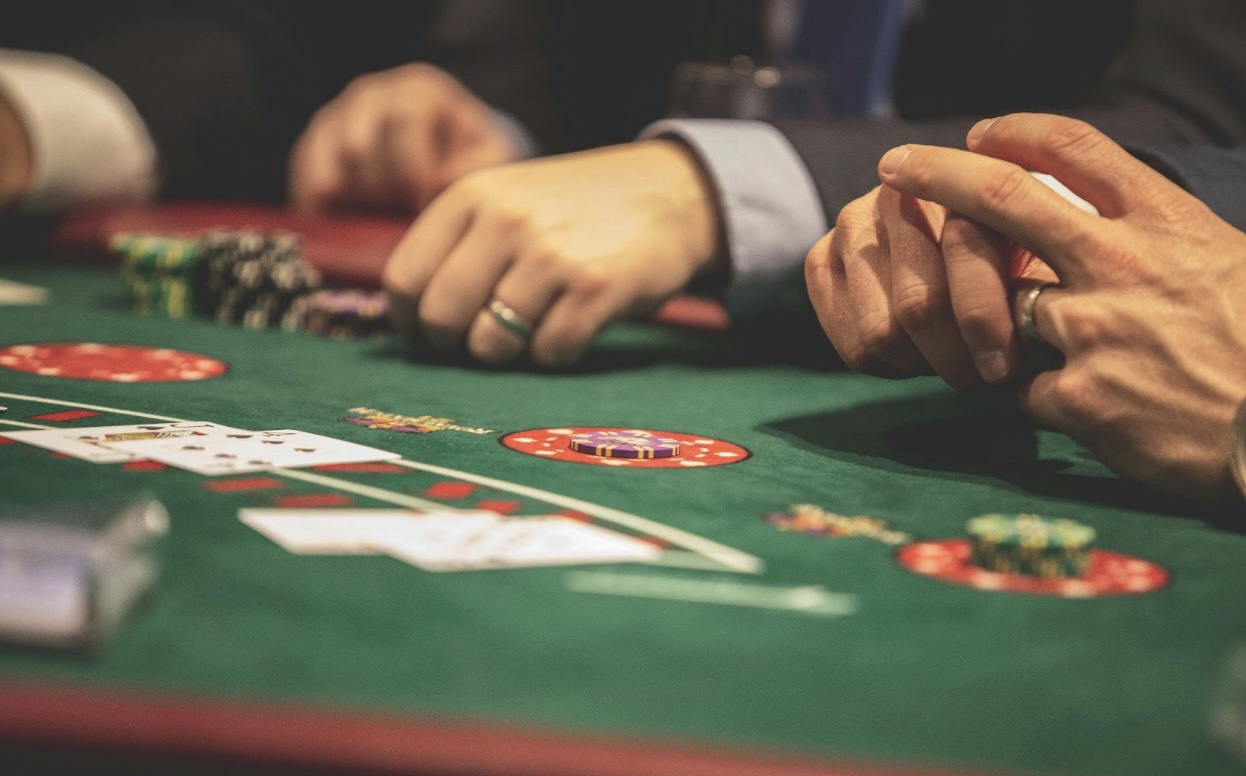
While the Osaka resort is a massive investment in the future of traditional, in-person gaming, the digital world continues to explore different models. Online platforms that use cryptocurrency, for instance, offer a wide range of casino games like roulette, which you can see in this list. For MGM and its partners in Japan, however, the focus is entirely on building a landmark physical destination in Osaka.
Breaking Down the New Budget
Looking closer at the numbers, the plan shows just how much construction costs have risen. The budget for building alone has jumped from about JPY722 billion to nearly JPY1.04 trillion. This surge is a clear sign of the tough economic conditions facing builders everywhere, an issue that has also been widely reported in the United States.
To handle these higher costs, both MGM Resorts and Orix have increased their financial stakes. The new documents show that each partner will now contribute JPY428 billion, up from their original promise of JPY306 billion.
This extra investment also changes their ownership in the resort. Both MGM and Orix now hold a 44 percent stake, an increase from 41 percent. The rest of the project is owned by a group of smaller Japanese companies.
The Vision for Yumeshima Island
Even with the higher price, the vision and timeline for the MGM Osaka resort are still on track. The plan is for the resort to be a major new destination for the entire region. The gaming floor is set for a small expansion, now planned to be 23,293 square meters. The hotel will be one of the largest in the country, with 1,829 rooms and 10 private villas for top guests.
Construction officially started with a ceremony back in April, kicking off a long building phase. The current plan is to have the complex finished by the summer of 2030, with the grand opening expected in the autumn of that year. This schedule is important for Osaka, as the city has long seen the resort as a key driver for future tourism.
The success of this ten-billion-dollar venture will ultimately depend on the financial health of its future customers. This gamble on Japanese consumer spending comes as household financial assets have reached a record 2,239 trillion yen. This growing domestic wealth, combined with a clear shift towards investment and spending, suggests a strong potential market for the resort's entertainment and luxury offerings when it opens.