Value betting is the conceptual foundation of every profitable long-term sports wagering strategy.

A value bet exists when the true probability of an outcome exceeds the probability implied by the market price. It is a simple concept, straightforward to explain, and genuinely difficult to execute consistently because it requires developing an accurate independent probability assessment and the discipline to compare that assessment to the market rather than accepting the market's judgment as the truth.
The most important thing to understand about value betting is that it is not about finding winners. A bettor who correctly identifies a thirty percent probability of an outcome that the market prices at twenty-five percent is making a value bet even when that outcome does not occur in any given match. Value is determined at the moment the bet is placed based on the probability comparison, not after the fact based on whether it won. Focusing on the quality of the probability assessment rather than the short-term win or loss outcome is what allows long-term positive results to emerge.
For bettors developing value identification skills, Football Tips from platforms like predictions on footballtipshub.com provide analytical reasoning that can be used as a cross-reference for independent probability estimates. Free Football Tips with transparent reasoning allow you to compare your own probability assessment with a structured external view and identify where genuine disagreement exists and why.
How Bookmakers Create Pricing Errors
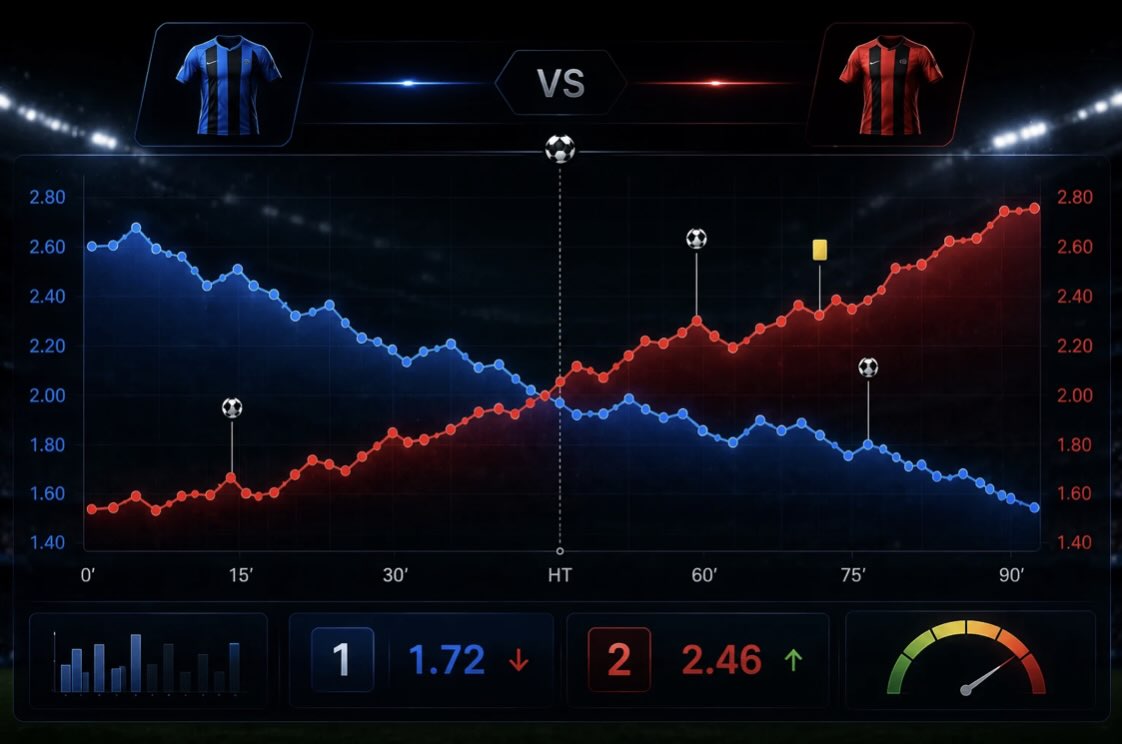
Bookmakers are not infallible probability machines. They are businesses that set prices based on a combination of their own modeling and commercial considerations including managing liability on popular selections. When significant public betting volume flows toward one outcome, the market shortens that price below its true probability to manage the bookmaker's exposure. This systematic adjustment creates predictable areas of mispricing that value bettors can target.
The Favourite-Longshot Bias
One of the most documented patterns in sports betting markets is the favourite-longshot bias: the tendency for short-priced favourites to be slightly underpriced and long-shot underdogs to be significantly overpriced relative to their true probability. This means that, on average, value is more often found in shorter-priced markets where the favourite is moderately undervalued than in backing high-odds long shots where the market consistently overprices the smaller probability.
Public Narrative and Recency Bias
Bookmakers and market makers also adjust prices in response to recent performance narratives that drive public perception more than they change the underlying probability of outcomes. A team that has won three consecutive high-scoring matches will be priced more favourably than their underlying quality warrants because public confidence in their current form creates excess demand for their selection. The team that has lost two consecutive matches to strong opponents may be undervalued because the losses overshadow quality that has not actually changed.
Building Your Own Probability Framework
Developing a reliable value identification process requires building an independent probability assessment for outcomes before looking at the market price. This can be as simple as assigning home win, draw, and away win percentages based on form, head-to-head data, and contextual factors and checking whether those percentages correspond to odds better than or worse than what is available. The comparison drives the decision, not the odds alone.

Simple Probability Models for Bettors
You do not need a sophisticated quantitative model to estimate match probabilities. A reasonable starting point is using the implied home win rate from the last twenty home matches, the away win rate from the last twenty away matches, and adjusting for the current form and squad differences between the two clubs. This simple framework produces probability estimates that are independent of the market price and give a genuine reference point for value comparison.
Record Keeping as Value Measurement
The only way to know whether your value identification is accurate over time is to record every bet with your estimated probability at the time of placing, the odds taken, and the result. Over a large sample, if your estimated probabilities are systematically higher than the implied odds, and the outcomes match those probabilities at the correct rates, you are identifying genuine value. If the results consistently underperform your estimates, the probability assessments need recalibration.
Conclusion
Spotting value bets in football is the most important single skill in long-term sports betting, and it is developed through consistent practice of independent probability assessment, market comparison, and honest long-term record-keeping. Building this skill takes time but produces the only type of edge that can sustain profitable results across a large number of bets against bookmakers who are continuously adjusting their pricing.