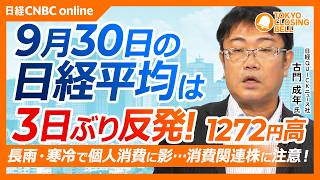
TOKYO - Tokyo stocks ended mixed on July 22, with the Nikkei 225 closing at 66,115.60, down 116.59 points, or 0.17%, as early buying in semiconductor and artificial intelligence-related shares faded in the afternoon while a weaker yen and higher oil prices kept inflation concerns in focus.
The broader TOPIX rose 18.18 points, or 0.45%, to 4,033.13, showing that buying remained firmer outside the Nikkei’s high-priced technology names. Prime Market trading value reached about 10.4377 trillion yen, with 840 stocks rising, 671 declining and 47 unchanged.
The Nikkei briefly climbed above 67,000 in morning trading as investors initially followed gains in U.S. semiconductor shares and stronger overnight sentiment toward artificial intelligence-related names. However, the benchmark lost momentum as the session progressed, with profit-taking emerging after the previous day’s sharp post-holiday rebound.
Nikkei CNBC’s market framing centered on the market’s inability to sustain the recovery in AI-related shares. Investors were still willing to buy selected semiconductor, memory and electronic-component names that had fallen heavily during last week’s correction, but the rebound lacked the force needed to push the Nikkei decisively higher.
The session again showed the split between the Nikkei and the broader market. The price-weighted Nikkei was held back by weakness in some of its large index contributors, while the TOPIX remained supported by banks, materials, industrials and selected domestic demand shares.
Kioxia Holdings remained the most heavily traded stock and continued to attract buying after its recent plunge and rebound. The memory-chip maker has become one of the clearest gauges of investor sentiment toward AI servers, data centers and high-bandwidth memory, and its stabilization helped limit concern that the AI correction would resume immediately.
Electronic-component and semiconductor-related shares were mixed. Taiyo Yuden, Murata Manufacturing, Ibiden and Disco rose, suggesting that investors still see value in companies tied to AI servers, data-center investment and advanced electronics demand. However, Tokyo Electron weakened in afternoon trading, while Kokusai Electric and Sumco also declined, showing continued caution toward semiconductor equipment and materials shares.
SoftBank Group remained closely watched because of its large influence on the Nikkei and its role as a proxy for global AI investment sentiment. The stock has become sensitive to shifts in expectations around large-scale AI infrastructure, OpenAI-related themes and overseas technology valuations.
Fast Retailing and Recruit Holdings were sold, adding pressure to the Nikkei. Their declines reinforced the market’s selective tone, with investors rotating between technology, consumer, financial and value shares rather than buying the whole market broadly.
The yen became the day’s main macro risk. The dollar moved above 163 yen, taking the Japanese currency to its weakest level since 1986 and increasing market speculation about possible intervention by Japanese authorities.
Finance Minister Satsuki Katayama has warned that authorities are ready to take bold action against excessive currency moves. Traders are now watching whether the Ministry of Finance steps up verbal warnings or moves closer to direct intervention if the yen weakens further beyond recent lows.
The weak yen is no longer being viewed simply as a benefit for exporters. While it increases the value of overseas earnings when converted into yen, it also raises the cost of imported fuel, food, raw materials and industrial inputs. That makes the exchange rate a growing problem for households, transport companies, utilities, retailers and manufacturers with limited pricing power.
Japanese government bond yields remained a key point of attention after recent volatility. The 10-year yield stayed below the 3% level that investors see as politically sensitive, but markets remained alert to the risk that higher oil prices and a weaker yen could keep inflation expectations elevated and complicate the Bank of Japan’s policy path.
The BOJ faces a difficult balance before its July 30-31 policy meeting. Persistent yen weakness, high oil prices and household inflation pressure support the case for further rate increases, while the recent equity correction, uncertainty over business investment and concern about government borrowing costs argue for caution.
Markets widely expect the central bank to keep policy unchanged at the July meeting, but investors will scrutinize its language on inflation, the yen and future tightening. Any sign that officials are becoming more concerned about import-driven inflation could move bond yields, bank shares and the currency.
Corporate movers reflected the split in the market. Kioxia continued to draw heavy trading as investors debated whether the recent AI selloff had created a buying opportunity or whether memory-chip valuations remain vulnerable. Murata Manufacturing and Taiyo Yuden gained as electronic-component shares benefited from renewed interest in AI servers and data-center demand.
Mizuho Financial Group and other megabanks rose, supported by expectations that Japan’s interest-rate environment will remain more favorable for lenders than during the long period of ultra-low rates. Higher rates can improve lending margins and investment income, although the recent pullback in bond yields has moderated some of the strongest momentum behind bank shares.
JX Advanced Metals and Mitsui Mining & Smelting also advanced, while Yaskawa Electric was firm, suggesting selective buying in industrial, materials and automation-related shares. The gains showed that investors are still looking beyond the AI trade for companies tied to long-term capital spending, energy transition and manufacturing demand.
On the other hand, Tokyo Electron weakened after early gains, showing continued nervousness around semiconductor equipment shares. Sumco and Kokusai Electric also fell, while Shiseido, Round One, Sanrio, Matsuya and Takara Tomy were among the weaker consumer-related names.
Policy attention remained on the government’s economic roadmap, which calls for more than 370 trillion yen in combined public and private investment through fiscal 2040. The plan emphasizes semiconductors, artificial intelligence, energy security, shipbuilding, defense, space and other strategic sectors that the government sees as central to Japan’s growth and economic security.
The roadmap is intended to raise Japan’s potential growth rate by encouraging private investment, strengthening supply chains and making Japanese technology more indispensable to allied economies, especially the United States. However, investors remain focused on how the plan will be funded and whether it will add to concerns about Japan’s public debt.
The blueprint also includes language intended to reassure investors about the Bank of Japan’s independence. Earlier draft wording had raised concern that the government might pressure the central bank to keep rates lower for longer in order to support growth and limit government borrowing costs.
The final wording is expected to make clear that specific monetary policy tools remain under the BOJ’s authority, while still calling for coordination between the government and the central bank in achieving stable price increases and sustainable economic growth.
For households, the economic picture remains difficult. TV Tokyo’s business coverage has continued to focus on inflation, wages, energy costs and household finances. The weaker yen and higher oil prices threaten to raise gasoline, electricity, food and transport costs, even as wage increases have improved in nominal terms.
The government is also weighing measures to ease household pressure, including possible steps related to food prices and consumption-tax relief. Such measures could support consumers but may also raise questions about fiscal discipline if they are not matched by stable replacement revenue.
The global backdrop was mixed. Wall Street rose overnight, led by AI and semiconductor shares, with Micron Technology and Nvidia helping support the Nasdaq. The U.S. technology rebound gave Tokyo an early boost, but Asian markets were uneven, with Japan giving up early gains, Hong Kong falling and China little changed.
Oil remained the biggest external risk for Japan. Brent crude moved above $92 a barrel as the U.S.-Iran conflict kept traders focused on possible disruption around the Strait of Hormuz. For Japan, which relies heavily on imported energy, a sustained oil shock would worsen the trade balance, increase inflation and pressure corporate margins.
Higher crude prices are especially problematic when combined with a weak yen. Even if global oil prices stabilize, a weaker exchange rate raises the domestic cost of imported energy. That increases pressure on utilities, airlines, logistics companies, manufacturers and households.
The main points to watch next are whether the Nikkei can hold above 66,000, whether Kioxia and other semiconductor shares can extend their recovery, and whether Tokyo Electron’s weakness signals continued caution toward chip-equipment names.
Investors will also monitor the yen above 163 to the dollar, the risk of currency intervention, Brent crude near $90 to $93, and the 10-year JGB yield’s distance from 3%. Upcoming U.S. technology earnings and the BOJ’s July 30-31 meeting will be key tests for whether Tokyo’s AI rebound can continue or whether inflation and currency pressure again take control of the market narrative.