Japan feels ready for another big financial moment. The talk everywhere is about digital money and how fast it has moved from curiosity to common ground. Everyone seems to sense a change coming. <
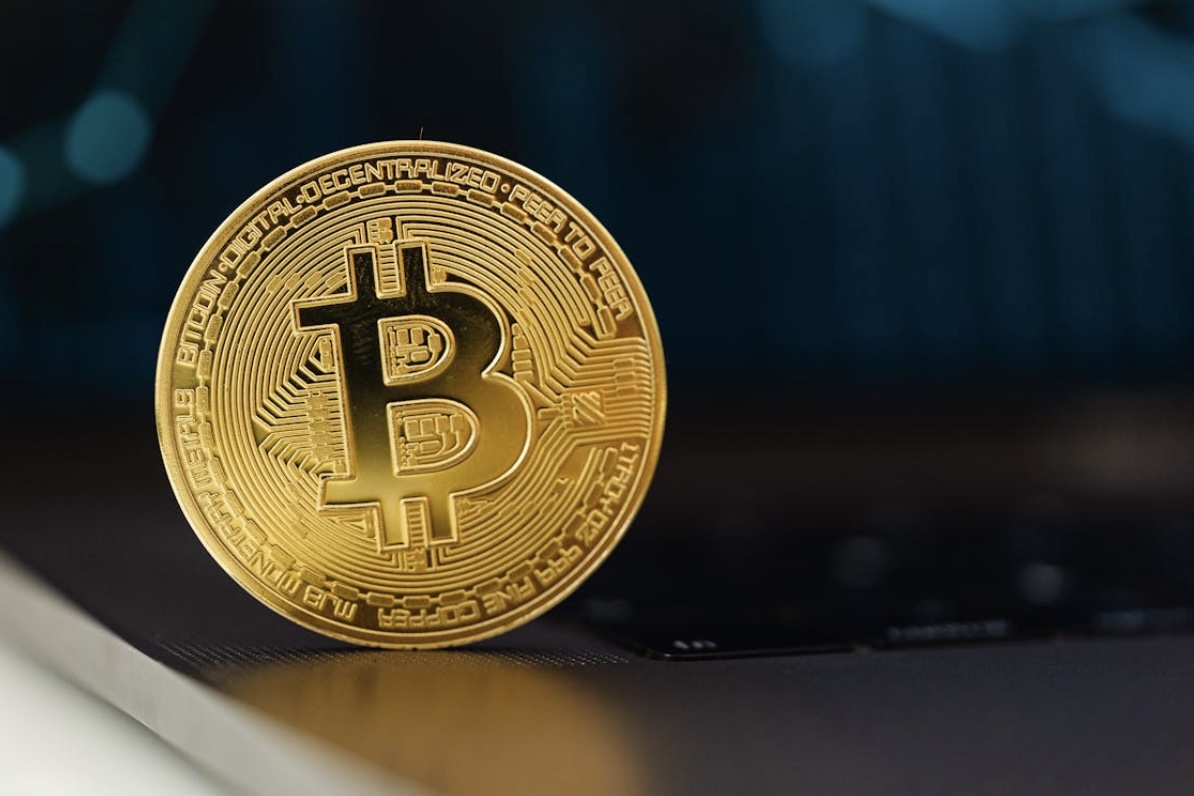
The numbers tell a story that’s hard to ignore. Confidence is growing, investors are active, and the rules might soon favor them. The combination is powerful enough to reshape how Japan sees and handles crypto altogether.
Digital Currency Finds New Homes
Crypto has infiltrated areas that few expected. It now lives in trading apps, online stores, payment tools, and digital communities. It’s everywhere, even where people don’t notice it anymore.
One of the strongest examples is Mercari. The marketplace added crypto trading for its users in March 2023. By July 2025, it reached 3.4 million crypto accounts, about a quarter of all accounts in Japan. That partnership with Coincheck connected shopping and investing in a single step. It shows how easily crypto slips into daily activity.
It has also entered entertainment and gaming. Some gambling platforms are crypto-powered and handle everything with digital coins. Coinpoker is one of them. It offers over 2,000 premium casino games, ranging from fast-paced slots to smooth live dealer tables. The platform runs on provably fair technology, with instant payouts and a quick no-KYC sign-up. It shows how crypto works best when simplicity meets transparency.
From e-commerce to gaming, digital currency has become part of how people trade, play, and interact. It’s shaping a new rhythm for spending and investment, proving it can blend into daily life without friction.
Crypto Becomes the Talk of the Market
This summer set a record that turned heads. By the end of July, Japanese investors held five trillion yen in crypto, worth around thirty-three billion dollars. That was a jump of twenty-five percent from the previous month.
Bitcoin went up fifteen percent in yen value over the same stretch, so the scale of investment says a lot about appetite. Even after holdings eased to 4.9 trillion yen in September, interest stayed alive.
Exchanges are expanding fast. They are adding new products for leveraged trading and working on ETFs and tax-free vehicles. That mix could soon bring a wider audience into digital assets. After the tough years of exchange breaches in 2014 and 2018, this new wave shows belief in better systems and tighter security. Inflation keeps eating into paychecks, so many people have turned toward alternatives to traditional savings and government bonds.
Satoshi Hasuo from Coincheck pointed out something that sums up the mood. There are three times as many people with securities accounts as with crypto accounts. To him, that’s untapped potential waiting to be converted. His comment captures how the market sees room for expansion without rushing blindly into it.
Rules That Could Change Everything
Regulators are sharpening their pencils. The Financial Services Agency is working on tax adjustments that would treat digital-asset gains like those from securities. If the plan passes parliament, it could take effect in 2026 or 2027. That would make reporting easier and bring in more retail investors.
The country has seen what a tax reform can do. When foreign-exchange rules changed in 2012, trading volumes increased tenfold within a decade. Bitbank’s Noriyuki Hirosue expects a similar effect in crypto once the reforms land. The idea is simple. Make trading smoother, open more investment doors, and let competition grow.
Investors Take the Stage
Retail traders have started taking bigger roles. They want returns that savings accounts and bonds can’t deliver. One Tokyo investor, Umi Soyama, keeps over ninety percent of her portfolio in crypto. Her plan is clear: grow that pot, then spread it across stocks, bonds, and gold. Many share that mindset, trusting crypto first before branching out.
Institutions are adjusting too. SBI VC Trade has seen account openings spike five times higher since Trump’s election. Banks and financial groups are studying crypto trading options under new proposals that allow them to enter the field. This could widen access and add credibility to the market.
Even long-time investors are learning to balance ambition and caution. Kou Okamoto, CFO at a Tokyo firm, holds mainly bitcoin now. He plans to cut back on smaller tokens, calling them closer to gambling with slightly better odds than horse racing. That type of honesty shows the market’s maturity. People are taking digital assets seriously, while still watching where they step.
A Market Ready to Burst Open
All paths lead to the same point. Japan stands close to a crypto expansion unlike anything before. The country’s exchanges are preparing, its regulators are modernizing, and investors are confident. Every layer, from casual traders to big institutions, shows movement toward a larger, more open system.
The numbers, reforms, and new platforms line up like pieces of a plan. Tax rules will shape the market’s base. Broader products such as ETFs will attract long-term investors. Technology and security will protect that growth. Together, they form a clear path forward.
Japan rebuilt trust after hard lessons, and that patience is beginning to pay off. The coming years will likely reveal a crypto scene that feels steady, open, and ready for scale. When the rules change, the surge will follow naturally, turning quiet preparation into a defining moment for digital finance.