Both cryptocurrency and online casinos have developed huge audiences in Japan. Research from 2025 estimated that more than three million adults have wagered online, while Japan also has an established crypto sector that is supported by millions of exchange accounts.
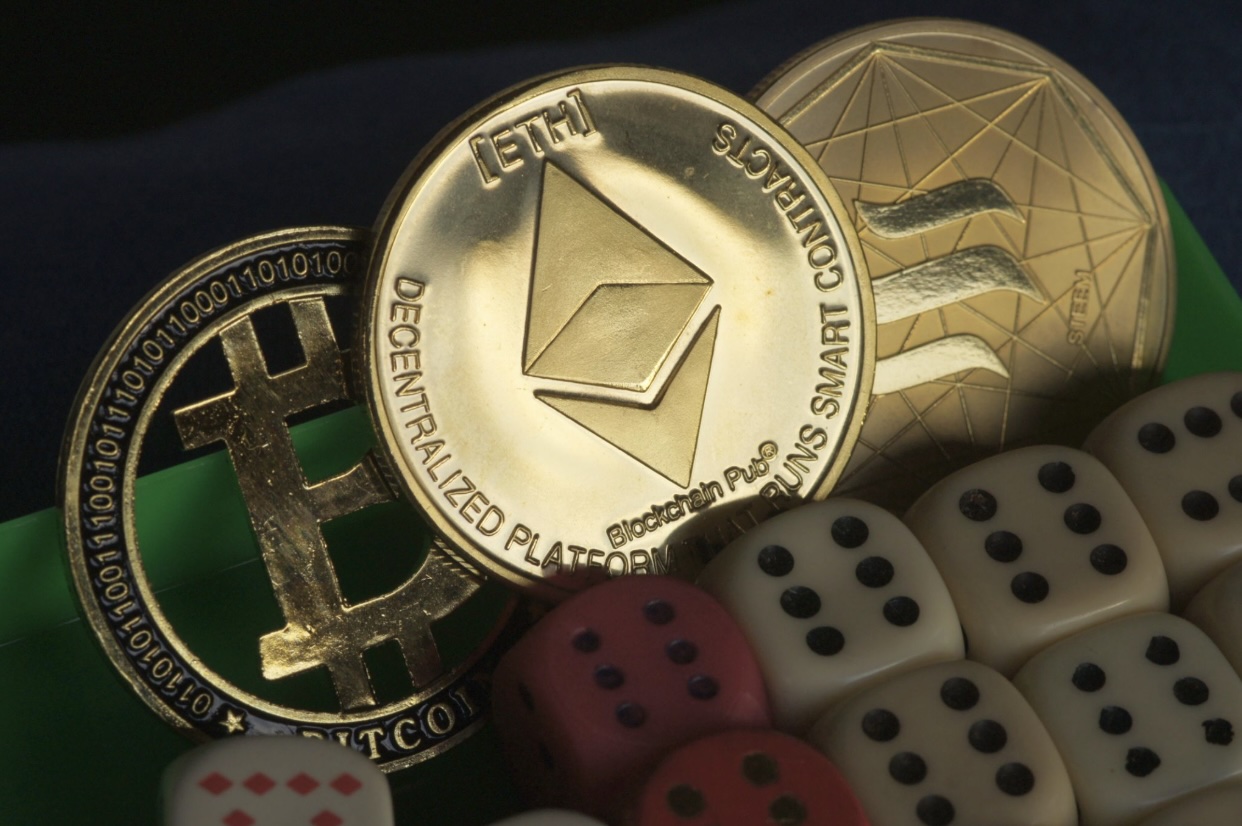
This scale helps explain the increasing visibility of crypto casinos among Japanese internet users. In 2026, the appeal goes beyond simply depositing Bitcoin. Mobile usability, payment choice, game variety and straightforward account management all now contribute to the experience.
Japan Has a Large Online Casino Audience
The scale of Japanese interest became clearer when research commissioned by the National Police Agency examined online casino use. It estimated that around 3.37 million people had gambled through online casinos at some point, with annual wagering estimated at around ¥1.24 trillion.
Younger adults appeared more often in the research. People in their 20s recorded the highest participation rate, while those in their 30s accounted for the largest estimated annual wagering. These age groups are the ones that are also accustomed to smartphones, digital payments and accessing entertainment online.
Cryptocurrency Is Increasingly Familiar
Crypto is no longer limited to a small group of technology enthusiasts in Japan. Figures from the Japan Virtual and Crypto Assets Exchange Association show that the number of cryptocurrency accounts passed 14 million during 2026.
As people are now more familiar with digital assets, crypto payments aren't as unusual as they used to be. Bitcoin and Ethereum are perhaps the most recognised options, while stablecoins such as USDT provide an alternative for users who don't want the value of their holdings moving as sharply with cryptocurrency prices.
Payment Choice Matters
Early crypto casinos could distinguish themselves simply by accepting Bitcoin, but expectations have now gone beyond this. Supporting several currencies gives users more control over deposits and withdrawals without requiring them to exchange one digital asset simply because their chosen casino doesn't support it.
That kind of approach can be found on platforms such as BiggerZ, where the casino supports a range of cryptocurrencies alongside selected conventional payment options. Its Japanese-language casino pages also focus on quick crypto deposits and withdrawals, showing how international platforms are attempting to make digital currency payments part of the normal casino experience rather than a specialist feature.
Mobile Gaming Can't Be an Afterthought
Japan's online casino demographics make mobile usability particularly important. A casino could advertise thousands of games, but that means next to nothing if finding a title, checking a balance or making a deposit becomes frustrating on a smartphone.
What Should a Mobile Casino Offer?
The basic requirements expected by players are:
- Fast-loading pages and simple menus.
- Games optimised for smaller screens.
- Easy access to payments and account controls.
- Search and filtering for large game libraries.
- Stable live dealer streaming.
These features aren't unique to Japanese users, but they're relevant to an audience already used to managing entertainment, shopping and financial services through mobile devices.
Game Choice Remains Important
Cryptocurrency provides the payment method, but the games remain the main product. Once money reaches an account, players still need enough variety to find the types of casino entertainment they prefer, which has encouraged crypto platforms to build much larger libraries.
Someone browsing the online casino BiggerZ selection, for example, can find more than 5,000 games covering slots, blackjack, roulette, baccarat, live casino, crash games and instant-win titles. That range shows how crypto casinos have now moved away from the smaller Bitcoin-focused game collections that were found at some of the earlier platforms.
Large libraries also make navigation important. Categories, provider filters, search functions and recently played sections can help users find suitable games without scrolling through thousands of individual titles.
Localisation Needs to Be Useful
Of course, a site representing the Japanese language is the obvious starting point, but there needs to be more than this. The likes of customer support, supported currencies, game navigation, and the overall feel of the site need to appeal to users of the country. There certainly needs to be the ability to communicate in the native language when reaching out with any queries.
The clarity of the site is hugely important when it comes to crypto because any mistakes can lead to major issues. The instructions need to be clear and in Japanese so that users can deposit and withdraw without issues. There shouldn’t be a need for anyone to have precious crypto experience.
What Matters in 2026?
Japan combines a substantial online gaming audience with a well-established cryptocurrency market. Together, those trends go towards explaining why international crypto casinos have developed services aimed at Japanese-language users.
Crypto alone isn't enough to make a casino stand out. In 2026, mobile performance, multiple payment choices, large game libraries, live casino options and straightforward transactions increasingly sit alongside cryptocurrency as central parts of the overall experience.