News On Japan

As borders reopen, is Japan ready for tourism's pitfalls?

From crowding to reliance on China, current approach is unsustainable long-term

May 30, 2022 (Nikkei) - TOKYO -- After closing its doors to most foreign travelers throughout the coronavirus pandemic, the Japanese government has announced plans to start allowing group tours to enter Japan next month, much to the relief of hotels and other businesses that rely on tourism.

But the reopening is also expected to bring a trio of problems: local pushback against excessive tourism, extra strain without accompanying profits due to a weak yen, and the security risk that comes from depending too heavily on China.

Many countries around the world have been welcoming tourists again as they look toward the post-pandemic future. Hawaii is already attracting throngs of visitors from the rest of the U.S. and overseas. Several flights to the islands from Japan were completely booked during the Golden Week holidays in early May.

The number of Japanese tourists in Hawaii is expected to remain at about 10% of pre-pandemic levels in May and June, according to local reports. Travel reservations indicate that the figure could rise to 20% this summer and 50% by the fall. A flood of Japanese vacationers could head to Hawaii for the New Year, depending on what restrictions remain in place.

Japanese tourist destinations are also itching for inbound visitors. A quick reopening will be crucial in preventing Japan from losing out to other countries, and taking advantage of the current weak yen.

But a blind push to recreate the pre-pandemic tourism boom will only steer Japan into trouble.

A relatively immediate issue is congestion. Heavy tourist traffic used to disrupt local bus and train service in popular destinations like Kyoto and Kamakura -- a result of more travelers looking to experience a place as the locals do, instead of touring famous landmarks in large groups. ...continue reading

News On Japan
POPULAR NEWS

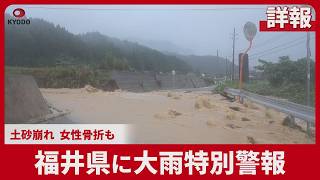
Record rainfall caused 19 rivers to overflow across Fukui Prefecture, flooding roads and homes, triggering landslides and temporarily forcing authorities to issue the highest-level heavy rain emergency warning from early Sunday morning.

Drones were used to deliver food and daily necessities to an isolated mountain community in Himi City, Toyama Prefecture, on August 30 after torrential rain triggered a landslide that cut off road access, while volunteers continued flood recovery work in neighboring Ishikawa Prefecture.

Two typhoons east of Japan were moving northward on August 30, with Typhoon No. 23 (Banlan) overtaking Typhoon No. 22 (Artau), although neither storm is expected to have a direct impact on Japan.

A 9-minute, 13-second drone video filmed inside Aeon Mall Kumamoto two days after the deadly explosion has provided a detailed view of the destruction, showing collapsed ceilings, heavy dust and widespread damage that may have affected between one-third and nearly half of the shopping center.

Strong Typhoon No. 18 was moving northwest through the East China Sea on the night of August 26, gradually pulling away from Okinawa and the Amami Islands as lingering rain, strong winds and high waves were expected to ease. As of 9 p.m. on August 26, the typhoon was over waters north-northwest of Kume Island and moving northwest.

MEDIA CHANNELS
         

MORE Travel NEWS

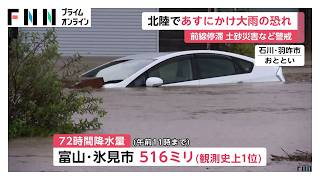
Record-breaking rainfall continued across the Hokuriku region on Saturday, with Himi City in Toyama Prefecture receiving more than 500 millimeters over 72 hours, as authorities warned of further heavy rain, landslides and river flooding through August 30.

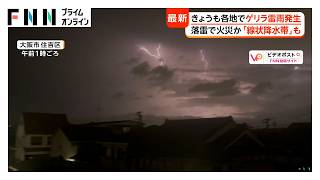
Severe thunderstorms brought torrential rain, lightning, hail and a tornado to Hokkaido on August 28, disrupting rail and air travel and leaving some passengers stranded overnight at New Chitose Airport, as unstable atmospheric conditions triggered intense downpours across Japan.

JR Kyushu plans to restore full service on the Kyushu Shinkansen from the first train on September 18, nearly two months after the Kumamoto earthquake caused extensive damage to tracks and stations and forced the suspension of services on part of the line.

Bear sightings are increasing across Japan this summer as a shortage of food in the mountains drives the animals closer to areas where people live and visit, with authorities in Aomori Prefecture closing a lookout near Lake Towada after a foreign tourist was attacked.

United Airlines announced on August 25 that it will launch direct flights between San Francisco and Okinawa from March 27, 2027, as the U.S. carrier seeks to capture growing demand for travel to Japan.

ANA Holdings' All Nippon Airways and Japan Airlines will begin coordinating departure times on the Haneda-Okayama route from October 25, an unusual move by Japan's two largest airline groups as weak business travel, a weaker yen and rising fuel and labor costs put increasing pressure on domestic operations.

Haneda Airport has unveiled a new boarding area at Terminal 1 that will begin operations in September, featuring extensive wood interiors and self-driving transportation within the facility.

A new 220-meter pedestrian suspension bridge has been completed at Biwako Valley in Otsu, Shiga Prefecture, offering visitors sweeping views of Lake Biwa from mountains about 1,100 meters above sea level.