

Jun 30, 2022 (h0ser) - Japan is a country which has gone through many phases of power and decline. Here are the last (and future) 5 of those phases. Why does Japan go through these, and what will happen in its future?
Jun 30, 2022 (h0ser) - Japan is a country which has gone through many phases of power and decline. Here are the last (and future) 5 of those phases. Why does Japan go through these, and what will happen in its future?


Two typhoons moving across the Pacific southeast of Japan are expected to remain well away from the Japanese mainland, but powerful swells could bring rough seas to a wide stretch of the country's Pacific coastline throughout the three-day holiday weekend, according to forecasts updated at 3 a.m. on October 10.

A series of cyberattacks has disrupted business operations and exposed millions of customer records across Japan, with a ransomware attack on a cloud service provider affecting 495 companies and local governments nationwide, while convenience store operator Lawson has disclosed a separate breach involving more than 2.15 million personal information records.

Japan's first 360-degree projection mapping show will open at the Osaka City Museum of Fine Arts on October 10, transforming the historic building into an immersive world of light, music, and seasonal imagery, with organizers hoping the attraction will also help stimulate the city's nighttime economy.

Tokyo University of Science professor emeritus Kenzo Soai has been awarded this year's Nobel Prize in Chemistry together with French chemist Henri B. Kagan for discoveries that transformed scientists' understanding of how chemical reactions can favor one of two mirror-image forms of a molecule.

The US military suspended activities by all forces stationed in Okinawa for 48 hours from noon on October 7, an unusual measure following the arrest of a US Marine in connection with a robbery and murder case that has renewed scrutiny of crimes involving American service members.





Japan will launch a new tax-free investment program for children in January 2027, allowing parents to invest up to 600,000 yen a year on behalf of children aged 17 or younger while permitting withdrawals from age 12 for expenses such as education and living costs.

Japan’s highly competitive graduate recruitment market remains favorable for students, but signs of change are emerging as the average number of job offers held by candidates declines and companies experiment with new ways to secure talent.

Osaka Metropolitan University has suspended classes across all faculties after a suspected ransomware attack shut down about 500 servers and disabled key campus systems, while officials investigate whether personal information relating to at least 130,000 students, graduates and employees was leaked.
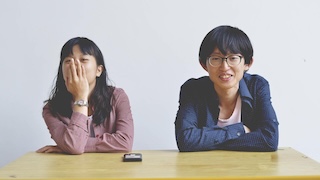
Recognizing the patterns and issues within a dysfunctional family can be a transformative step toward improving personal relationships.

A first-of-its-kind sleep competition was held in Tokyo on October 5, with contestants competing for a 2.22 million yen top prize by trying to achieve the deepest, fastest and most stable sleep during a 90-minute session.

Graduates of Japan's colleges of technology, commonly known as Kosen, are attracting growing attention from employers, with the ratio of job openings to applicants exceeding 35 as companies increasingly seek graduates who can contribute immediately to the workforce, including major banks and securities firms.

A major new railway training center equipped with full-scale tracks, crossings and signals has opened in Kasugai, Aichi Prefecture, as Japan's railway industry faces a growing shortage of skilled workers that could exceed 20,000 by fiscal 2028.

The University of Tokyo has selected professor Yuko Fujigaki, 64, as its next president, making her the first woman to lead Japan's most prestigious university.