News On Japan

Network delights as moves made to ban dog meat in Korea

TOKYO - Fuji News Network is reporting that changes are afoot in South Korean culinary culture with a ban on eating dog meat apparently imminent.

The National Assembly of the Republic of Korea is moving to revise laws that would ban people from eating dog meat.

The Seoul Municipal Government is also fining restaurants that handle dog meat and is deliberating a draft ordinance to encourage dog meat sellers to change business.

Popular opinion behind these moves against what had once been a widespread practice is believed to be an increase in concern for animal welfare.

South Korean President Yoon Suk-yeol and first lady Kim Keon Hee are known dog lovers and are believed to have influenced the shift in attitudes.

Dog meat for human consumption was sold in about 50 restaurants in Tokyo and Osaka until about 2010, according to the Ministry of Health, Labor and Welfare

The ministry reported to the Diet that about 30 tons of dog meat for human consumption was imported into Japan from China in 2013. The Ministry said about 20 tons was imported from Vietnam in 2018, the most recent year it has made a public comment on dog meat imports into Japan.

News On Japan
POPULAR NEWS

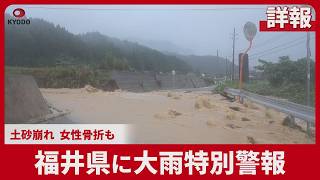
Record rainfall caused 19 rivers to overflow across Fukui Prefecture, flooding roads and homes, triggering landslides and temporarily forcing authorities to issue the highest-level heavy rain emergency warning from early Sunday morning.

Drones were used to deliver food and daily necessities to an isolated mountain community in Himi City, Toyama Prefecture, on August 30 after torrential rain triggered a landslide that cut off road access, while volunteers continued flood recovery work in neighboring Ishikawa Prefecture.

Two typhoons east of Japan were moving northward on August 30, with Typhoon No. 23 (Banlan) overtaking Typhoon No. 22 (Artau), although neither storm is expected to have a direct impact on Japan.

A 9-minute, 13-second drone video filmed inside Aeon Mall Kumamoto two days after the deadly explosion has provided a detailed view of the destruction, showing collapsed ceilings, heavy dust and widespread damage that may have affected between one-third and nearly half of the shopping center.

Strong Typhoon No. 18 was moving northwest through the East China Sea on the night of August 26, gradually pulling away from Okinawa and the Amami Islands as lingering rain, strong winds and high waves were expected to ease. As of 9 p.m. on August 26, the typhoon was over waters north-northwest of Kume Island and moving northwest.

MEDIA CHANNELS
         

MORE Food NEWS

Traditional vegetables cultivated in Tokyo for generations are facing a growing threat from extreme heat and a shortage of farmers willing to carry on their cultivation, with some growers reporting that seeds are failing to germinate or young plants are dying in increasingly severe summer temperatures.

Production of Asahi Ponzu, a popular seasoning that has been a fixture on Kansai dining tables for decades, has been suspended for the first time in the product's roughly 60-year history as a severe shortage of sudachi citrus exposes a deepening crisis in Tokushima Prefecture, which accounts for 98% of Japan's shipments.

Gutsu Grill Shinjuku has been serving hearty, affordable steak in Nishi-Shinjuku since 1999, attracting crowds with generous portions and a menu built around value for money. The 44-seat restaurant regularly fills up at lunchtime, with customers praising its tender meat, large servings and reasonable prices.

Lawson plans to cut prices on its main line of onigiri rice balls by 10 yen from September 29 as falling rice prices begin to feed through to retail costs.

Athletes competing in the Asian Games will be served around 370 dishes ranging from Asian-style curries and chicken dishes to Nagoya specialties such as chicken wings and kishimen noodles, with menus also designed to accommodate religious and dietary requirements.

A new type of fraud in which scammers pose as real farmers and advertise seasonal fruit at unusually low prices has been detected in the Kansai region, with police warning consumers to verify sellers through official websites before making purchases.

Shizuoka Prefecture has regained its position as Japan's leading producer of first-flush tea, overtaking Kagoshima Prefecture for the first time in two years as favorable weather and growing demand for matcha helped boost production.

Skylark Holdings is preparing to introduce "ghost restaurants" that operate without dining areas and specialize in delivery and takeout as Japan moves toward lowering the consumption tax rate on food.