



Wasabi, an essential condiment on Japanese dining tables, is seeing rising demand as its popularity grows among foreign consumers drawn to its distinctive flavor and ability to enhance food.

A cafe where visitors can interact with nine giant dogs weighing more than 50 kilograms each is set to open next week in Tondabayashi, Osaka Prefecture, offering close encounters with the animals as well as dining excursions accompanied by a favorite dog.

A tiny aquatic plant known as wolffia is emerging as a potential next-generation protein source, offering rapid growth, high nutritional value and a significantly smaller environmental footprint than soybeans or beef.
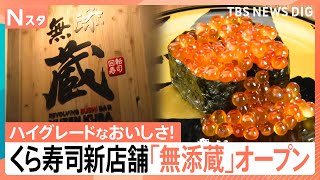
Kura Sushi has opened its second premium conveyor-belt sushi restaurant in Tokyo, introducing a menu of higher-grade seafood and same-day deliveries from Hokkaido by bullet train as the company seeks to stand out in Shinjuku’s fiercely competitive dining market. Just a few minutes away, Shinjuku Kabukicho remains the area's main draw after dark, from cheap izakaya to host clubs and standing bars.

A single bunch of Ishikawa Prefecture's premium Ruby Roman grapes sold for 1 million yen at the season's first auction in Kanazawa on Friday, putting the price of each grape at about 30,000 yen.

The average cost of preparing curry rice at home fell for the first time in two months as lower rice prices offset rising pork costs, while potatoes and onions are also expected to become cheaper.

Japan’s breakfast market is gaining new momentum, with Starbucks launching morning offerings at some locations in May and a growing number of newcomers entering the increasingly lively sector.

The first Pacific saury of the season landed in Hokkaido fetched a record 1.112 million yen per kilogram at an auction in Sapporo on July 10, with one fish later displayed at a retail price of 216,000 yen.