Dec 11, 2025 (News On Japan) - If you’ve walked around Tokyo recently, you’ve probably noticed something: gyms still exist, but they’re not as crowded as they used to be.
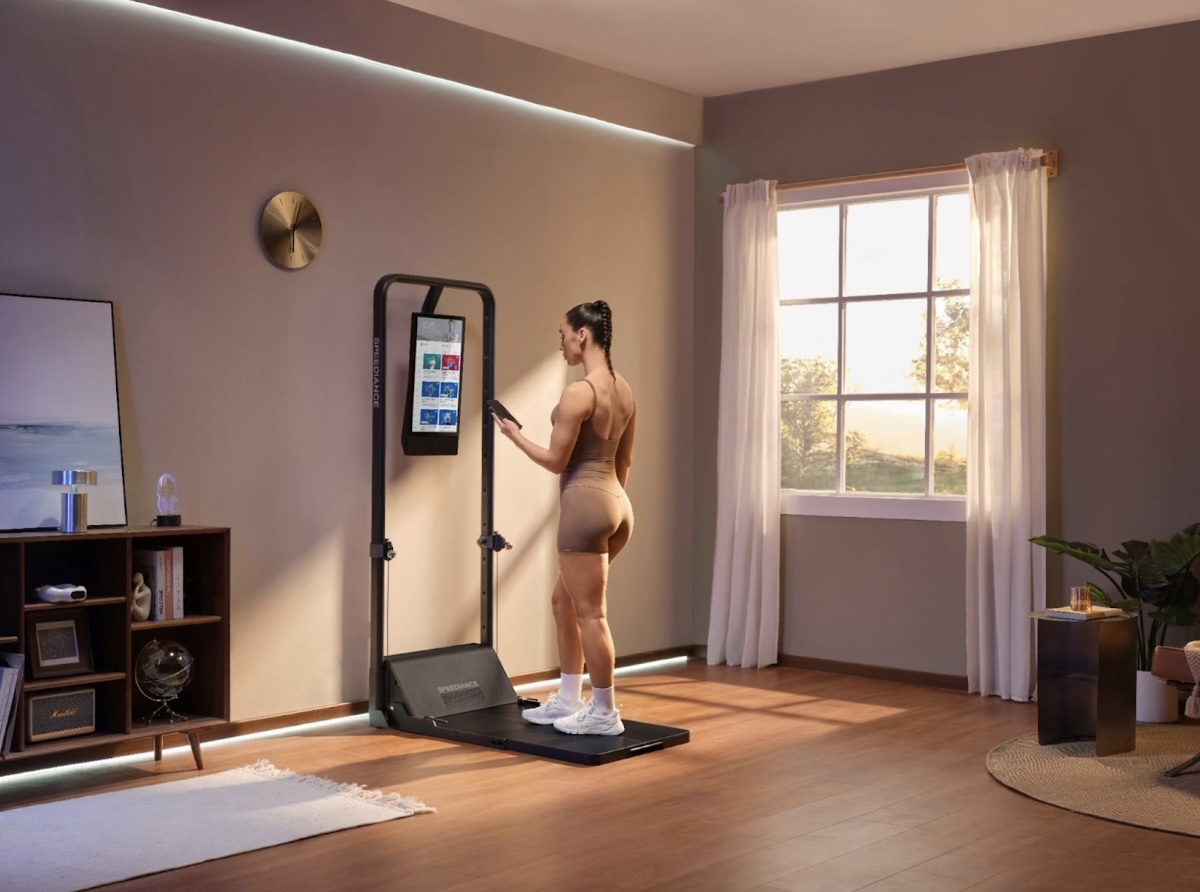
People are lifting weights at home, running in place on sleek machines, and following personalized strength workouts—without ever stepping into a fitness club. Smart home gym systems have quietly slid into everyday life in Japan, especially in small apartments where traditional fitness equipment doesn’t make sense anymore.
What started as a lockdown trend is now a lifestyle pivot. And there’s a reason: Japan loves innovation that solves everyday challenges. Fitness is now no exception.
From Tiny Apartments to Big Fitness Goals
Let’s be real—most urban Japanese homes are compact. A treadmill or bulky squat rack just doesn’t fit between the sofa and the dining table. That’s where tech-based fitness makes perfect sense.
Smart home gym machines fold, mount, or slide into corners. They look more like minimalist gadgets than gym gear. Instead of clutter, you get a simple setup that replaces an entire rack of weights. It’s strength training without sacrificing living space, which aligns perfectly with Japan’s minimalistic design culture.
It’s convenience without compromise. And that’s something people are definitely willing to pay for—not just for the space savings, but for the experience.
Tech Meets Training Culture
Japan has always leaned into tech that makes life smoother, whether it’s smart toilets (yes, the world’s obsession is justified) or beautifully automated public transport. The same mindset is now fueling fitness habits.
A smart home gym is not just a device—it’s a digital coach. Sensors track your form. AI adjusts resistance for your fitness level. You lift, push, pull, and the machine keeps making sure you don’t slack or overdo it. That’s especially important in a culture where people work long hours, and efficient time use feels like its own form of respect.
Instead of booking a personal trainer, you get real-time corrections at home. No pressure, no judgmental instructor watching your squat depth, and no expensive monthly packages. People get the benefits of “gym + coach” packed into one compact system.
Why Strength Training Is Suddenly a Lifestyle Trend
It’s interesting how Japan, a country famous for long-lived elders, traditionally focused more on walking, mobility, and gentler exercise. But now, younger and middle-aged adults are embracing strength work for two big reasons: better posture and long-term health.
Sitting at a desk all day isn’t kind to anyone’s body. Back pain, weak glutes, neck stiffness—these show up fast. Smart home gym workouts help people correct imbalances and build muscle safely. And because the system tracks improvement, it becomes addictive in the best possible way. Your stats go up; you feel stronger; you keep going.
There’s also a shift in mindset. Being “fit” is no longer about being skinny—it’s about being strong and functional. Strength training has crossed into mainstream health culture. The smart gym just made it accessible.

The Influence of Japanese Work Lifestyle
Work-life balance in Japan is changing. Remote work means more time at home, less commuting, and more flexibility to fit in short workouts during the day. Instead of trekking to a gym at 10 p.m. after a long shift, you can do a 20-minute strength session between Zoom meetings.
The smart home gym adapts quickly to these tiny pockets of time. Quick full-body workouts are personalized and guided. You don’t waste time thinking, “What should I train today?” The machine tells you. It’s almost like a thoughtful coworker handing you the exact task you need.
In a country where efficiency is a mindset, that’s a big win.
A Cleaner, Smarter, Minimalist Aesthetic
Let’s also talk style—because yes, it matters. Japan is obsessed with design. People buy appliances that blend into interiors, not dominate them. Smart home gym devices don’t look like gym clutter; they look like sleek tech. They mount on walls or fold into slim units that could be mistaken for modern décor.
Imagine doing a strength workout with a device that doesn’t scream “gym.” Imagine hiding it away as easily as closing a laptop. That vibe speaks directly to Japanese aesthetics.
Minimal workout space, maximum value.
Community and Virtual Motivation
Another curious shift: even though these workouts happen at home, they’re not isolating. Many platforms offer leaderboards, challenges, and real-time classes. It gives just enough community to feel motivated, but without the awkward small talk or waiting in line to use a machine.
It’s independence with a sprinkle of social engagement. A perfect blend for people who like working out alone—but don’t want to feel alone.
What’s Next for Japan’s Smart Fitness Scene?
The growth of smart home gym systems in Japan doesn’t seem like a passing phase. With aging populations prioritizing healthy living, compact living spaces demanding smarter design, and technology continuing to evolve, home-based training will likely keep growing.
Stronger doesn’t need to mean louder or bulkier. Japan has proven that muscle-building can be quiet, elegant, and incredibly efficient. Strength training is gaining cultural importance, not as a fad but as a modern extension of wellness.
And with every new innovation, home workouts get smarter, more motivating, and more personal. If anything, we’re just at the beginning of what tech-enabled fitness can become.
Final Thoughts
Smart home gym systems are transforming the way Japan approaches fitness. They fit into small spaces, respect busy lifestyles, and offer personalized training without compromising privacy or design. They’re not here to replace traditional gyms entirely—but they’re redefining strength training into something simple, stylish, and sustainable.
It’s fitness that respects space, time, and culture.