Jan 05, 2026 (News On Japan) - The Philippines and Southeast Asia have created a vibrant sporting scene where heat, noise, and passion rise together like steam from a street court at dusk.
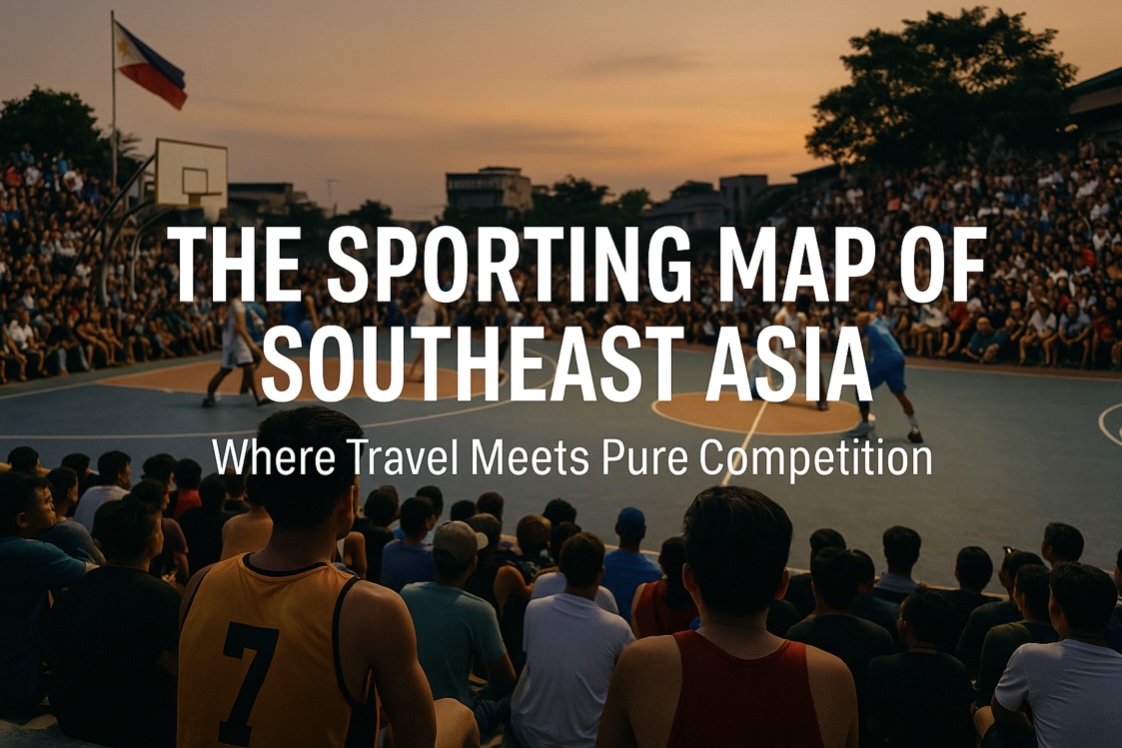
Basketball rims ring out in Manila alleyways, football chants resonate across Indonesian stadiums, and runners follow the curves of Singapore’s waterfront tracks. In this region, sport is not just an escape from travel – it’s the reason to travel. Stadiums become landmarks, tournaments become pilgrimages, and fans weave their own stories into the venues they visit.
Philippines: A Nation Built on Hoops and Heart
Basketball is at the cultural epicenter of the country’s identity, and no shrine encapsulates this quite like the Smart Araneta Coliseum in Quezon City. Rechristened “Big Dome” because most PBA Finals and national team games under Gilas Pilipinas have been staged there, it attracts fans wanting a taste of the raw Filipino basketball energy. The Mall of Asia Arena in Pasay is a state-of-the-art venue for international events, hosting FIBA competitions that will be covered by ESPN and BBC Sport in 2023-2024, and is yet another feather in the cap of this country’s emerging global sporting presence.
Travelers integrate these places into longer itineraries: food tours in Binondo before tipoff, walks along Manila Bay afterward, or side trips to the thriving grassroots courts in cities like Cebu and Davao. The game doesn’t finish with the buzzer; it pours into every barangay, every open space available where a ring may be mounted, and people will crowd.
Football, Fields, and the Growing Southeast Asian Pitch
Football may not be the Philippines’ first love, but it holds the wider Southeast Asian region in its passion, which has only sharpened in the last decade. Nowhere is this louder than in Gelora Bung Karno Stadium in Jakarta – a 77,000-seat monument to Indonesian fandom. During the AFF Championships, the ground trembles with chants, as documented by Eurosport and 90min reporters who consistently rank it among the most intimidating atmospheres in Asia.
In Thailand, Rajamangala Stadium hosts both domestic fixtures and national-team matches, anchoring Bangkok as a sports tourism hub. Travelers often pair games with Muay Thai sessions in local gyms, turning match weekends into full cultural immersions.
Even Vietnam has risen into the spotlight. My Dinh National Stadium in Hanoi continues to draw international fans, especially during regional tournaments and Asian Cup qualifiers reported by ESPN. Travelers pour in to witness football fused with national identity.
Training Grounds and Athlete Pathways that Draw Global Visitors
While stadiums spark excitement, training facilities offer deeper access. In the Philippines, the Moro Lorenzo Sports Center and UP Diliman’s track oval attract runners, coaches, and curious travelers looking to observe grassroots and collegiate development. Meanwhile, Clark’s rising sports complex is evolving into a multi-sport artery for athletics, cycling, and aquatics – a stop for fans, amateurs, and professionals preparing for regional competitions.
Across the ASEAN region, Malaysia’s Bukit Jalil Sports Complex stands out as a world-class venue that has hosted the SEA Games multiple times. It's a massive complex that blends stadiums, pools, and performance centers – an ecosystem for athletes and sports tourists alike. Singapore’s Kallang Wave Complex extends the experience with exhibition spaces, retail, and an indoor water park, showing how modern cities blur the line between training ground and entertainment site.
The Digital Side of Travel: Sports, Predictions, and Interactive Engagement
Modern sports tourism is not confined to seats and stadium gates. Fans traveling across Southeast Asia deepen their engagement through online prediction games and friendly betting pools shared between supporters. Many travelers explore competitive odds and match data through 1xBet, which offers sports-focused tools that enhance the interactive side of attending live events. The digital layer doesn’t replace the stadium roar – it amplifies it, giving fans more ways to immerse themselves in the action during their journey.
Basketball Streets, Local Tournaments, and Regional Legends
Some of the most meaningful sporting destinations are not the mega-venues but the humble courts where local legends are made. In Manila, weekend tournaments in Tondo or Mandaluyong draw crowds rivaling small professional leagues. Visitors often end up courtside, pulled in by the rhythm of commentary blaring through megaphones and the swagger of neighborhood stars.
This grassroots energy mirrors scenes in Indonesia’s Bandung, Cambodia’s Phnom Penh, and Malaysia’s Johor Bahru. Travelers join pickup games, share stories, and leave with scraped knees and new friends. These small moments – untelevised, unscripted – form the soul of sports tourism.
Within this same culture of fandom, match analysis, odds discussions, and pre-game forecasts are common. Some enthusiasts use tools available via the 1xBet APK to explore statistics, compare match trends, and follow competitions on mobile while traveling – a convenient companion to game-day adventures.
Major Events That Keep Fans Moving Across Borders
Events remain the great engines of regional sports travel. The FIBA Basketball World Cup 2023, held in part in Manila, reopened the Philippines to international spectators. The AFF Mitsubishi Electric Cup drives waves of regional travel every two years, sending tens of thousands of fans across borders. Meanwhile, the Singapore Grand Prix blends motorsport with tourism, its night-race skyline becoming one of the most photographed scenes in the world.
Combat sports also anchor tourism. The ONE Championship circuit – documented regularly by Sports Illustrated and ESPN – brings international visitors to Manila, Bangkok, and Singapore, merging martial arts traditions with contemporary spectacle.
Sports travelers often map these trips around matchday predictions and competitive evaluations, sometimes checking real-time markets through sports betting platforms. For many, it adds context, data, and a layer of tactical engagement to the events they attend.
A Region That Plays Hard and Welcomes Harder
Southeast Asia’s sports tourism boom isn’t manufactured; it’s lived. It’s in the sweat of players at sunset leagues, the roar of 70,000 chanting in unison, the quiet shuffle of runners training at dawn. It’s a region that invites fans not just to watch, but to belong.
Travelers come for stadiums, but stay for the culture. They arrive as spectators and leave as storytellers.
Actionable Takeaway
If you’re planning sports-centered travel in 2025-2026, map your route around both major stadiums and street-level courts. Pair live events with digital tools for predictions and interactive engagement. And above all – follow the noise. It always leads somewhere unforgettable.