News On Japan

Stricter Visa Rules Threaten Foreign-Owned Restaurants in Japan

SHIZUOKA - Foreign business owners in Japan are facing growing financial pressure following a sharp increase in the capital required to obtain a business management visa, with an Indian curry restaurant in Shizuoka warning that it may be forced to close unless its sales quadruple.

Namaste NIPPON, an Indian curry restaurant in Suruga Ward, Shizuoka City, is known for its authentic curries made with traditional Indian spices. However, the restaurant is now facing what its owner describes as its greatest crisis since opening.

Raz Pokhara, the restaurant's representative, said meeting the new financial requirements before his next visa renewal appears virtually impossible. "Raising 30 million yen by 2028 is impossible under our current circumstances. There isn't even a 1% chance," he said.

The difficulties stem from stricter rules introduced in October 2025 for foreign entrepreneurs seeking to obtain or renew a business management visa in Japan. Under the revised regulations, the required business capital was raised sixfold, from 5 million yen to 30 million yen.

One year after the changes were introduced, Pokhara has continued operating his restaurant, but monthly sales remain at approximately 2.5 million yen. He estimates that revenue would need to increase fourfold to accumulate the required 30 million yen before his next visa renewal in two years.

If he cannot meet the requirement, the restaurant could be forced to close, despite having an established business and a regular customer base.

The government tightened the visa requirements partly to prevent foreign nationals from establishing shell companies with little or no genuine commercial activity as a means of obtaining residency in Japan.

Fumito Suwabe, a lawyer at Oceanic Law Office, explained that the revised system is intended to exclude foreign applicants operating businesses that exist only on paper or lack substantial commercial operations.

However, concerns are growing that the higher capital threshold could also affect legitimate small businesses that have been operating successfully for years.

Some estimates suggest that only around 4% of foreign business owners in Japan have the financial resources to meet the new 30 million yen capital requirement, raising questions about the potential impact on immigrant entrepreneurs and the communities that depend on their businesses.

Pokhara said he understands the government's intention to prevent abuse of the visa system but believes the authorities should distinguish between fraudulent companies and entrepreneurs who are genuinely working to maintain their businesses.

"We are actually working hard, and simply requiring 30 million yen will not eliminate shell companies," he said. "The best approach would be for officials to come and see everything for themselves. That is what I hope for."

The tougher regulations were introduced as part of efforts to maintain public safety and strengthen oversight of foreign residents operating businesses in Japan.

However, critics warn that the measures could discourage foreign entrepreneurs, reduce the availability of international talent, and contribute to the decline of local industries and communities that rely on foreign-owned businesses.

The situation has raised broader questions about whether Japan's business management visa requirements adequately reflect the realities of small business operations and whether a more flexible approach is needed to protect legitimate entrepreneurs while preventing misuse of the immigration system.

ビザ規制強化で日本の外国人経営レストランに廃業の危機

日本では、経営・管理ビザの取得に必要な資本金が大幅に引き上げられたことで、外国人経営者の経済的負担が増している。静岡市のインドカレー店では、売上を現在の4倍に増やさなければ廃業に追い込まれる可能性があるという。

日本收紧签证规定 外国人经营的餐厅面临倒闭危机

日本大幅提高经营管理签证所需的注册资本,使外国企业经营者面临日益沉重的经济压力。静冈市一家印度咖喱餐厅表示,如果营业额无法提高至目前的四倍,可能被迫关闭。

Source: TBS

News On Japan
POPULAR NEWS

A magnitude 5.7 earthquake struck central Japan early on November 8th, registering an upper 5 on Japan's seismic intensity scale in Aichi Prefecture and injuring at least 21 people, while damaging buildings and disrupting Shinkansen and conventional railway services across the region.

A magnitude 5.7 earthquake that struck central Japan at 1:04 a.m. on Sunday, November 8th, caused widespread transport disruption across the Tokai region, with Tokaido Shinkansen services delayed by up to an hour, major JR and private railway lines suspended, subway services disrupted in Nagoya, and rail access to Chubu Centrair International Airport cut off during the morning.

Russian President Vladimir Putin has signed a decree placing the Russian operations of Japan Tobacco (JT) under the temporary management of a local company, effectively stripping the Japanese tobacco giant of control over its business in the country and prompting a formal protest from Tokyo demanding that the measure be immediately withdrawn.

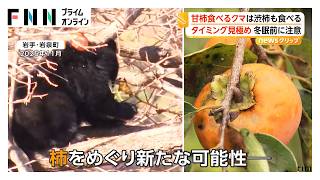
Bears preparing for winter hibernation may be able to determine when astringent persimmons have lost their bitterness and become suitable to eat, according to research by the University of Hyogo, which suggests that prioritizing the removal of sweet persimmon trees could help prevent bears from entering residential areas.

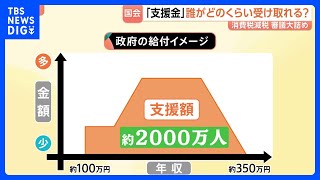
Japan's government is facing growing pressure from opposition lawmakers to clarify who will qualify for a new financial support program and how much they will receive, as deliberations on legislation to reduce the consumption tax on food and introduce payments for low- and middle-income earners enter their final stages in the House of Representatives.

MEDIA CHANNELS
         

MORE Food NEWS

Bears preparing for winter hibernation may be able to determine when astringent persimmons have lost their bitterness and become suitable to eat, according to research by the University of Hyogo, which suggests that prioritizing the removal of sweet persimmon trees could help prevent bears from entering residential areas.

FamilyMart will introduce its first do-it-yourself Christmas cake for the 2026 holiday season, allowing customers to decorate their own cakes as the convenience store chain seeks to attract demand for affordable, at-home celebrations.

Japan by Food and Shizuka head into the mountains of Nagano to explore Karuizawa, a historic highland resort just over an hour northwest of Tokyo, to see if it’s truly Worth The Trip. Join Shizuka as she strolls the iconic street food and rolls up her sleeves to make Nagano soba from scratch! (Japan by Food)

Bean sprouts, long regarded as one of Japan's most affordable and dependable vegetables, are becoming increasingly expensive as rising raw material costs and soaring energy bills push up production expenses, putting pressure on ramen shops and hot pot restaurants that rely heavily on the ingredient.

Hokuyo Bank has launched an agricultural initiative in Hokkaido aimed at addressing a growing shortage of farmers and agricultural workers, with bank employees taking to the fields themselves to gain practical experience and help aspiring farmers and businesses enter the industry through financial assistance, technical training, and hands-on guidance.

Egg prices in Japan have reached a new record high of 312 yen per pack, while imported beef and chicken thigh prices have also matched their previous peaks, adding to the growing burden on household food budgets.

Students at Osaka Metropolitan University have developed a 100% plant-based creamy shrimp miso ramen that recreates the rich flavor of seafood without using shrimp or meat, offering a glimpse of a future in which people with different dietary restrictions can enjoy the same meals.

Japan's new rice harvest is reaching stores at significantly lower prices, with initial trading prices for the 2026 crop falling 42% from a year earlier and some supermarkets selling freshly harvested rice for around 2,000 yen per 5 kilograms, creating an unusual situation in which new rice is cheaper than older stocks.