News On Japan

Ramen of the Future?

OSAKA - Students at Osaka Metropolitan University have developed a 100% plant-based creamy shrimp miso ramen that recreates the rich flavor of seafood without using shrimp or meat, offering a glimpse of a future in which people with different dietary restrictions can enjoy the same meals.

The innovative ramen was served to visitors during an open campus event at the university's Morinomiya campus in Joto Ward, Osaka, where students from the Department of Nutrition presented their creation.

Using soy-based minced protein and other plant-derived ingredients, the students successfully reproduced the distinctive flavor and richness of shrimp miso ramen without relying on any animal products.

High school students attending the event expressed surprise at the results, with one saying, "It tastes just like real shrimp," while another commented, "It makes me want to study here."

The project was developed in cooperation with Fuji Oil, a food ingredient manufacturer specializing in plant-based technologies. The company contributed its proprietary Miradashi technology, which reproduces the savory umami flavors associated with seafood and meat using only plant-derived ingredients.

The technology allows food developers to create dishes that closely resemble conventional animal-based products while accommodating a wider range of dietary requirements.

The students hope their ramen will contribute to a society in which people can share the same dining experience regardless of religious dietary rules, food allergies, vegan lifestyles, or other restrictions.

The initiative also forms part of broader efforts to revitalize Osaka's eastern districts, known locally as the Higashi area, where redevelopment projects are transforming neighborhoods and creating new opportunities for cooperation between universities and businesses.

By bringing together academic research, food technology, and local industry, the project demonstrates how innovative food development could become part of a wider approach to urban development.

The collaboration is attracting attention as Osaka seeks to strengthen its position as an international city welcoming people from diverse cultural backgrounds, with food emerging as one way to create communities where everyone can participate.

Source: Television OSAKA NEWS

News On Japan
POPULAR NEWS

East Japan Railway (JR East) announced on November 10th that it will introduce touch-free ticket gates at 40 stations, including every station on Tokyo's Yamanote Line, from spring 2028, allowing passengers using Mobile Suica to pass through without taking their smartphones out of their pockets or bags.

Japan's Children and Families Agency unveiled its first national guidelines on November 10th for parental involvement in children's internet use, dividing those aged 0 to 18 into six developmental stages as the government considers tighter regulations on social media platforms to protect young people from online bullying, exploitation, and other growing risks.

As of 3 a.m. on Wednesday, November 11, Typhoon No. 32 was moving east-northeast over waters east of Chichijima in the Ogasawara Islands, gradually heading away from the Japanese archipelago after passing near the island between late Tuesday night and early Wednesday morning.

Odakyu Electric Railway unveiled images of its next-generation Romancecar limited express train on November 10, revealing a striking blue-green design featuring enormous circular windows that will allow passengers to enjoy panoramic views from ceiling to floor when the new trains enter service in March 2029.

A male bear weighing approximately 270 kilograms was killed by hunters in Iwamizawa, Hokkaido, on November 8th after being caught in a box trap, with local hunters suspecting it was responsible for a series of attacks on a nearby poultry farm that left more than 100 chickens and ducks dead since August.

MEDIA CHANNELS
         

MORE Food NEWS

Kyoto's Shin-Kyogoku Shopping Street, a bustling 500-meter arcade with more than 150 years of history, is home to some of the city's oldest restaurants, seven Buddhist temples and a Shinto shrine, while a recently rediscovered 90-year-old restaurant manual has revealed unusual dishes and the philosophy of a pioneering Western-style restaurant.

Osaka's iconic Midosuji boulevard hosted its first-ever bread-eating race on November 6 as part of a three-day event exploring new ways to use public space, with 1,200 servings of sweet bean buns and dorayaki pancakes prepared for participants over two days as the city moves ahead with plans to transform the major thoroughfare into a more pedestrian-friendly destination by 2037.

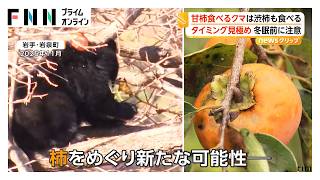
Bears preparing for winter hibernation may be able to determine when astringent persimmons have lost their bitterness and become suitable to eat, according to research by the University of Hyogo, which suggests that prioritizing the removal of sweet persimmon trees could help prevent bears from entering residential areas.

FamilyMart will introduce its first do-it-yourself Christmas cake for the 2026 holiday season, allowing customers to decorate their own cakes as the convenience store chain seeks to attract demand for affordable, at-home celebrations.

Japan by Food and Shizuka head into the mountains of Nagano to explore Karuizawa, a historic highland resort just over an hour northwest of Tokyo, to see if it’s truly Worth The Trip. Join Shizuka as she strolls the iconic street food and rolls up her sleeves to make Nagano soba from scratch! (Japan by Food)

Bean sprouts, long regarded as one of Japan's most affordable and dependable vegetables, are becoming increasingly expensive as rising raw material costs and soaring energy bills push up production expenses, putting pressure on ramen shops and hot pot restaurants that rely heavily on the ingredient.

Hokuyo Bank has launched an agricultural initiative in Hokkaido aimed at addressing a growing shortage of farmers and agricultural workers, with bank employees taking to the fields themselves to gain practical experience and help aspiring farmers and businesses enter the industry through financial assistance, technical training, and hands-on guidance.

Egg prices in Japan have reached a new record high of 312 yen per pack, while imported beef and chicken thigh prices have also matched their previous peaks, adding to the growing burden on household food budgets.