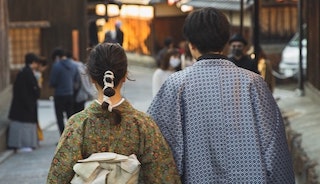
With more Indian professionals, students and families establishing lives in Japan, maintaining connections with relatives back home has become an important part of everyday life. Despite advances in digital communication, distance, language and cultural differences continue to shape their experiences.
Japan's growing foreign population is changing the character of communities across the country, with Indian nationals forming part of an increasingly diverse workforce that includes technology specialists, engineers, researchers, students and business professionals. While employment opportunities and educational institutions continue to attract people from overseas, the practical realities of settling in Japan often extend far beyond the workplace.
For many Indian residents, moving to Japan involves leaving behind extensive family networks, familiar languages and social customs that remain central to everyday life. Parents, siblings and relatives may continue living in cities such as Bengaluru, Mumbai, Delhi, Hyderabad or Chennai, while those relocating to Japan establish new routines in Tokyo, Yokohama, Osaka and other urban centers.
According to Japan's Immigration Services Agency, the country's foreign resident population reached 4,125,395 at the end of 2025, exceeding 4 million for the first time. The increase reflects Japan's growing reliance on international workers and the expanding number of foreign nationals who have established long-term ties with the country.
Within this broader demographic change, Indian residents occupy a distinctive position. Many work in highly specialized industries, particularly information technology, engineering, financial services and research. Others have moved for education, family reasons or opportunities with Japanese companies developing closer commercial relationships with India.
Although these residents differ considerably in their backgrounds and circumstances, maintaining regular communication with family members overseas remains a common concern. The ability to participate in family decisions, celebrate important occasions and respond when relatives need assistance continues to influence the experience of living abroad.
A Community Shaped by Work, Education and Family Ties
Japan's relationship with India has expanded through commercial cooperation, technology investment and educational exchange. Japanese companies operate substantial business activities in India, while Indian technology professionals have become part of international teams supporting software development, engineering and digital services.
For some professionals, Japan represents an opportunity to gain experience in a different business environment. Others relocate through internal company transfers or accept positions with employers seeking specialized technical skills.
The adjustment can be considerable, particularly for people arriving without previous experience of Japanese society.
Workplace customs, administrative procedures and expectations surrounding professional communication can differ from those familiar to employees in India. The Japanese language also presents challenges, especially when daily responsibilities involve government offices, housing arrangements, healthcare providers or institutions where English-language assistance is limited.
Families relocating with children encounter additional decisions involving schools, childcare and the availability of educational programs suited to their circumstances. Some choose international schools, while others enroll their children in Japanese institutions, depending on language ability, financial considerations and plans for long-term residence.
Outside work and education, community associations, cultural gatherings and Indian restaurants provide opportunities for residents to maintain familiar traditions while developing new relationships in Japan.
These connections can be especially valuable during the first months after arrival, when ordinary tasks such as arranging utilities, opening bank accounts or understanding local rules may require considerable effort.
Yet becoming established in Japan does not necessarily reduce the importance of relationships with family members in India. In many households, international communication remains part of the daily routine.
The Importance of Staying in Touch With Family in India
For Indian professionals living abroad, family relationships often involve responsibilities that continue despite geographic separation.
Parents may remain in India while adult children establish careers overseas. Some residents provide financial assistance to relatives, while others participate in decisions concerning family property, healthcare, education or important ceremonies.
These arrangements can require regular communication, particularly when older family members depend on support from children living abroad.
The difference in time zones between Japan and India is relatively manageable compared with communication across some other continents. Japan is three hours and thirty minutes ahead of India, allowing many families to arrange conversations during evenings or weekends without substantial disruption.
However, professional schedules and household responsibilities can still make communication difficult. A worker finishing late at an office in Tokyo may have limited time for a conversation before relatives in India begin preparing for the next day.
Messaging applications and video calls have made routine contact more accessible. Families can share photographs, exchange voice messages and participate remotely in events that once required expensive international telephone calls.
Nevertheless, conventional telephone communication remains important in certain circumstances. Older relatives may prefer receiving calls directly, while hospitals, banks, government departments and other institutions may not provide support through consumer messaging applications.
Residents who need to contact Indian mobile or landline numbers can compare options for calling India from Japan, including international calling services such as SayFone. The most suitable arrangement depends on the destination number, available internet access and the rates charged by the provider.
For families maintaining regular contact across borders, understanding these options can help make communication more predictable, particularly when an urgent matter requires speaking directly with someone rather than exchanging messages.
Healthcare and Family Responsibilities Across Two Countries
Distance can become especially difficult when relatives experience health problems.
An Indian resident working in Japan may receive news that a parent has been hospitalized or requires ongoing treatment. Although family members in India may be available to provide immediate assistance, decisions about medical expenses, caregiving arrangements and future support can involve relatives living overseas.
The situation becomes more complicated when information must be obtained from several sources.
A family member may need to speak with a hospital, contact siblings in different cities or review medical documentation while managing employment responsibilities in Japan.
Regular communication can help coordinate these arrangements, but it cannot entirely overcome the difficulties created by physical separation.
Travel may be required during serious family emergencies, and making arrangements at short notice can prove expensive or complicated. International flights, employment obligations and the availability of travel documents can affect how quickly someone is able to return.
Residents who anticipate maintaining caregiving responsibilities in India may benefit from agreeing on basic arrangements before an emergency occurs. These can include identifying reliable local contacts, organizing important documents and clarifying who can assist older relatives with appointments or administrative matters.
Such preparation is particularly relevant for families in which elderly parents live independently.
The emotional effects should not be overlooked. Being unable to provide assistance in person can create concern even when relatives are receiving appropriate care.
Maintaining a dependable support network in India, while also developing relationships in Japan, can help residents manage responsibilities that extend across both countries.
Cultural Traditions Continue Beyond National Borders
Indian communities in Japan maintain connections with their cultural backgrounds through festivals, religious gatherings, food, language and family traditions.
Celebrations such as Diwali, Holi, Onam and other regional festivals provide opportunities for residents to meet people with shared experiences. Events organized by community associations and cultural groups may also introduce Japanese participants to Indian traditions.
For families with children, these activities can help maintain familiarity with languages and customs that may be less visible in their everyday surroundings.
India's linguistic and cultural diversity adds another dimension to community life. Residents from different states may speak Hindi, Tamil, Malayalam, Telugu, Bengali, Marathi or other languages at home, while using English or Japanese in professional settings.
Maintaining these languages can be important for children whose grandparents and extended relatives live in India.
Regular conversations with family members provide opportunities for younger generations to develop relationships that might otherwise depend on occasional visits.
The same connections can influence how families approach important occasions. Weddings, birthdays and religious ceremonies may require coordination between relatives living in several countries, with some participating remotely when travel is not possible.
For adults who have spent many years in Japan, cultural identity may become connected to experiences in both countries rather than belonging exclusively to one.
The result is a family life shaped by Japanese institutions and routines while retaining strong personal connections with India.
Language and Administrative Challenges Remain Significant
Although Japan has expanded support for foreign residents, administrative procedures can remain difficult for newcomers unfamiliar with the language and local systems.
Municipal registration, health insurance, pension arrangements, taxation and residence-status requirements involve documentation that must be understood and maintained accurately.
Many foreign residents receive assistance through employers, educational institutions or local consultation services. However, the availability of multilingual guidance varies between municipalities and institutions.
Indian professionals working in international companies may use English throughout much of the working day while encountering Japanese-language requirements when arranging housing, visiting healthcare providers or communicating with local authorities.
Families with children may also need assistance understanding school notices, parent-teacher meetings and educational expectations.
Automated translation services can be useful for everyday communication, but important legal, medical and financial documents may require more reliable interpretation.
The Immigration Services Agency's Foreign Residents Support Center and associated information services provide guidance intended to help foreign nationals understand residence procedures and aspects of daily life in Japan.
Residents should use official sources when confirming requirements related to visas, residence renewals or changes in employment status, as these matters depend on individual circumstances and current regulations.
For people maintaining obligations in India, administrative work can extend across two legal and financial systems. Matters involving banking, taxation, documentation and family property may require advice from appropriate professionals in the relevant country.
Understanding these responsibilities early can prevent complications as residents establish longer-term lives in Japan.
Children Growing Up Between Japan and India
For Indian families raising children in Japan, questions about education and cultural identity can become increasingly important over time.
Some children arrive after spending their early years in India, while others are born in Japan and grow up with limited direct experience of their parents' country of origin.
Their relationship with both cultures may depend on the language spoken at home, the school system they attend and the frequency of visits to India.
Children enrolled in Japanese schools may develop strong Japanese-language skills and friendships while continuing to use another language with family members. Those attending international schools may experience a different educational environment, particularly when families expect to relocate again.
Parents often need to consider how these choices affect future education and social development.
Maintaining contact with grandparents and extended relatives in India can help children understand family histories and traditions that are not necessarily part of their daily experiences.
However, building a sense of belonging in Japan is equally important.
Participation in local school activities, sports clubs and neighborhood events can help children develop relationships beyond their immediate cultural community.
The experience differs considerably among families. Some intend to return to India after several years, while others plan to remain in Japan permanently.
For children growing up in international households, identity may develop through a combination of experiences rather than a straightforward attachment to one country.
The Role of Community Networks During Emergencies
Japan's exposure to earthquakes, typhoons and other natural disasters creates particular considerations for foreign residents.
People who have recently arrived may be unfamiliar with local warning systems, evacuation locations and procedures for obtaining reliable emergency information.
Language differences can add to the difficulty, especially when announcements are issued quickly or involve specialized terminology.
For relatives living in India, news of a significant earthquake in Japan may cause considerable anxiety if they cannot immediately contact family members.
Mobile networks and internet services can become congested during emergencies, making it important to understand alternative methods of obtaining information.
Japan provides multilingual disaster-related resources, including emergency guidance intended for foreign residents. Local governments also publish information about evacuation procedures and community preparedness.
Indian residents should identify the official emergency information channels available in their municipality and become familiar with local evacuation arrangements.
Families may also find it useful to establish a simple communication plan explaining how they will confirm their safety during a disruption.
This could involve sending a short message when communications are available and identifying someone in Japan who can provide information if direct contact becomes difficult.
Such arrangements cannot eliminate the uncertainty surrounding major emergencies, but they can help families respond more calmly when communication is temporarily interrupted.
Building a Life in Japan Without Losing Connections to India
The growth of Japan's foreign population reflects broader economic and demographic changes that are expected to continue influencing the country's communities.
For Indian residents, opportunities in technology, research, education and other professional fields have created pathways to lives that may extend well beyond an initial employment contract.
As these residents establish homes, develop careers and raise families, their needs increasingly involve long-term questions about education, housing, healthcare and community participation.
Maintaining connections with India remains part of that process.
Family responsibilities do not disappear when someone relocates, and cultural traditions often continue to influence everyday life even after many years abroad.
Modern communication has made these relationships easier to sustain, but practical obstacles remain, particularly when dealing with institutions, supporting older relatives or responding to unexpected events.
The experience of Indian families in Japan also demonstrates how international migration changes the meaning of home. A professional may spend much of their adult life working in Tokyo while continuing to participate in family decisions in Bengaluru. Children may grow up speaking Japanese at school and an Indian language at home, maintaining relationships with grandparents they see only during holidays.
For these households, building a future in Japan does not necessarily require weakening their ties with India.
Instead, it involves developing ways to manage responsibilities, maintain relationships and participate in communities separated by thousands of kilometers.
As Japan becomes home to a larger and more diverse international population, these experiences will increasingly form part of the country's social landscape. Beyond the economic contribution of foreign workers and professionals lies a growing network of families whose everyday lives connect Japan with countries around the world.
For Indian residents, that connection remains particularly personal, linking new opportunities in Japan with the families, traditions and responsibilities that continue to shape life back home.