Mar 25, 2025 (News On Japan) - Artificial Intelligence (AI) has revolutionized the way businesses and individuals interact with technology, and chatbots are at the forefront of this transformation.
In Japan, a country known for its technological advancements, AI chatbots have become an integral part of daily life, from customer service to entertainment. These chatbots are not only efficient but also designed to provide engaging and personalized experiences. Whether you're looking for a virtual assistant, a companion, or even a bit of fun, Japan's AI chatbot industry has something for everyone. In this article, we’ll explore the top 5 AI chatbot companies in Japan, with a special focus on their unique features and how they are making waves in the industry.
Top 5 AI Chatbots in Japan
Sony’s Gatebox
Gatebox is a futuristic AI-powered virtual assistant developed by Sony. It combines hardware and software to create a holographic companion that can interact with users in real time. Gatebox is designed to provide emotional support and assist with daily tasks, making it a popular choice for those seeking a blend of technology and companionship.
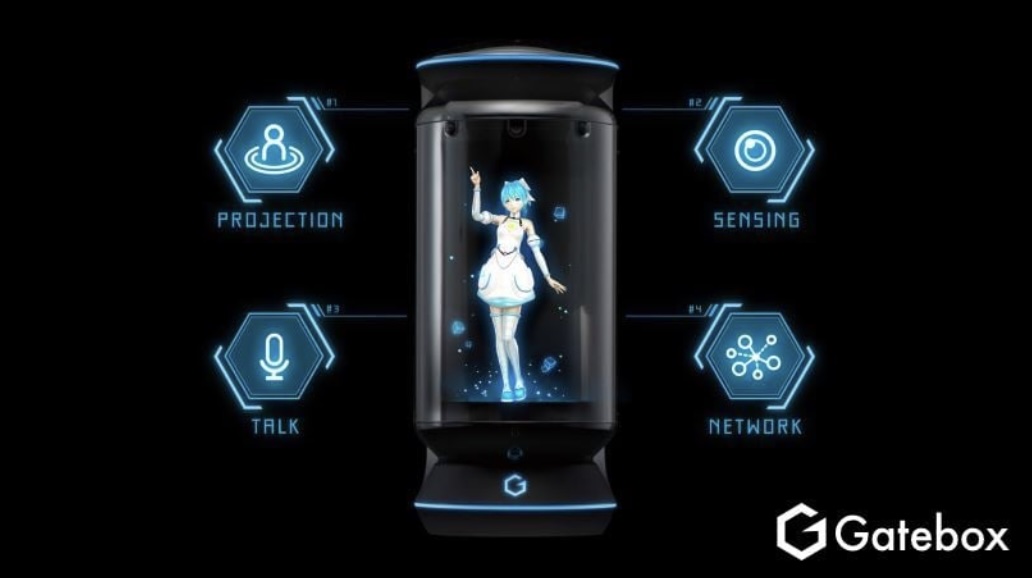
Holographic display for a lifelike interaction.
Voice recognition and natural language processing.
Integration with smart home devices.
Personalized greetings and reminders.
Gatebox is a prime example of how AI can enhance everyday life, offering both utility and emotional connection.
HeyReal AI
HeyReal AI is one of the most innovative chatbot companies in Japan, specializing in creating immersive and interactive AI experiences. Known for its advanced conversational capabilities, HeyReal AI is designed to cater to a wide range of user needs, from casual conversations to more specialized interactions.
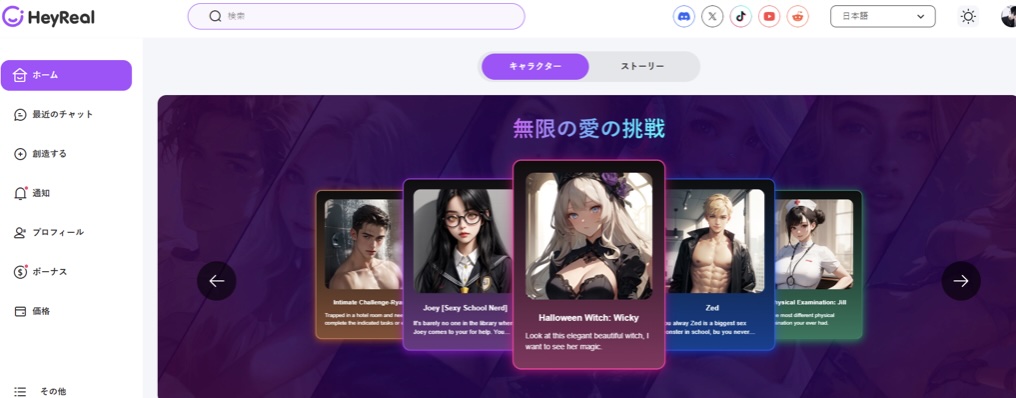
Highly customizable chatbot personalities.
Real-time language translation for global users.
Integration with gaming and entertainment platforms.
Support for NSFW AI chat, making it a versatile choice for adult users seeking unfiltered interactions.
HeyReal AI stands out for its ability to adapt to diverse user preferences, including those looking for NSFW AI chatbot experiences. Its cutting-edge technology ensures seamless and engaging conversations, making it a top contender in Japan’s AI chatbot market.
NTT DOCOMO’s Shabette Concier
NTT DOCOMO, a leading telecommunications company in Japan, has developed Shabette Concier, an AI chatbot that serves as a personal concierge. This chatbot is integrated into DOCOMO’s services, offering users a wide range of functionalities, from restaurant recommendations to travel planning.
Key Features:Voice and text-based interactions.
Integration with DOCOMO’s ecosystem of services.
Real-time information updates, such as weather and traffic.
Personalized recommendations based on user preferences.
Shabette Concier is a testament to how AI chatbots can simplify daily life by providing timely and relevant information.
SoftBank’s Pepper
Pepper, developed by SoftBank Robotics, is a humanoid robot equipped with AI chatbot capabilities. Pepper is widely used in retail, hospitality, and healthcare sectors, offering a unique blend of physical presence and intelligent conversation.
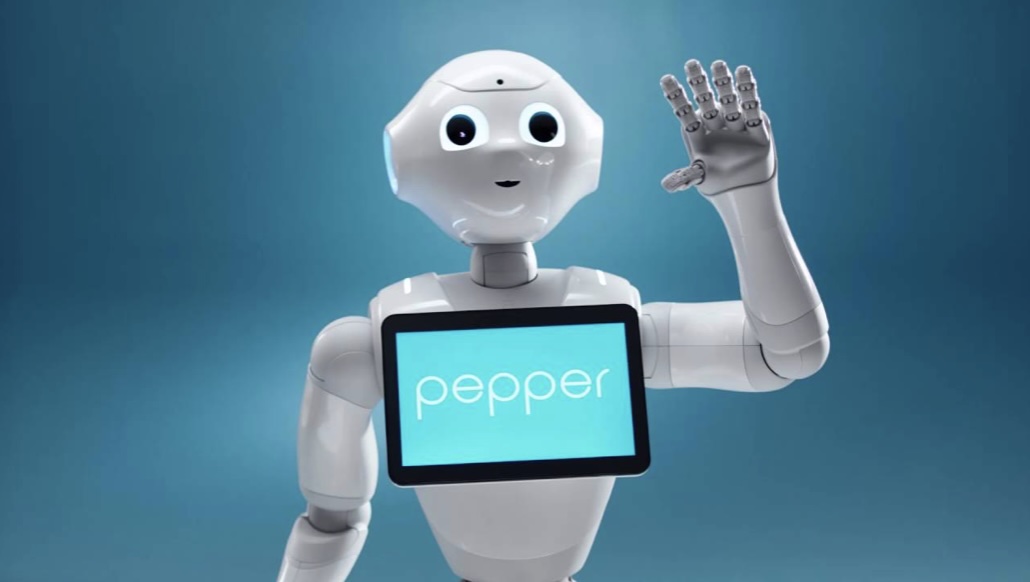
Humanoid design with expressive gestures.
Emotion recognition to tailor interactions.
Multi-language support for diverse user bases.
Integration with business applications for customer service.
Pepper’s ability to combine physical interaction with AI-driven conversations makes it a standout in the chatbot industry.
Mitsuku (Kuki)
Mitsuku, also known as Kuki, is an award-winning AI chatbot developed by Pandorabots. While not originally from Japan, Mitsuku has gained significant popularity in the country due to its engaging and human-like conversations. It is often used for entertainment and casual interactions.
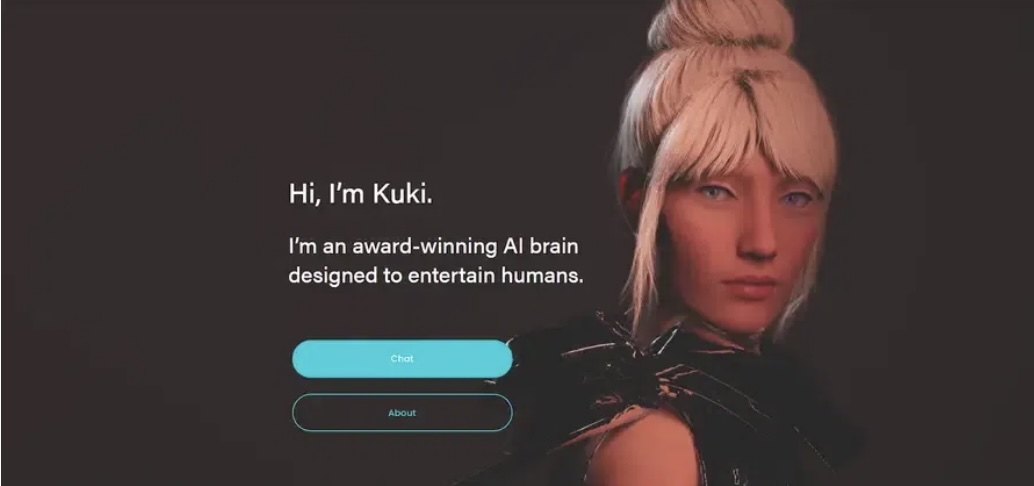
Advanced natural language processing for realistic conversations.
Gamification elements to keep users engaged.
Availability on multiple platforms, including web and mobile.
Support for NSFW AI interactions, catering to a broader audience.
Mitsuku’s ability to entertain and engage users has made it a favorite among chatbot enthusiasts in Japan.
Conclusion
Japan’s AI chatbot industry is a vibrant and rapidly evolving space, offering solutions that cater to both practical and entertainment needs. From Sony’s Gatebox to HeyReal AI, these chatbots showcase the incredible potential of AI to enhance human experiences. Whether you’re looking for a virtual assistant, a companion, or even a platform for NSFW AI chat, Japan’s top chatbot companies have you covered.
As AI technology continues to advance, we can expect even more innovative and personalized chatbot experiences in the future. These chatbots are not just tools; they are becoming an integral part of our lives, making everyday interactions more efficient, enjoyable, and meaningful. So, why not dive into the world of AI chatbots and have some fun along the way?