May 21, 2026 (News On Japan) - Japan is among the countries expanding AI translation systems most rapidly. This technology appears in train stations, airports, hotels, shops, and tourist areas across the country.
As visitor numbers keep rising, businesses are looking for faster ways to communicate with international travelers.
For many companies, hiring multilingual staff for every shift is difficult. That is why AI translation tools are now more common in daily customer service.
Instead of waiting for language support, workers can now use handheld devices or screen-based systems during conversations. The process is faster and less stressful for both staff and visitors.
Tokyo and Osaka still lead the rollout, but all other cities are beginning to follow as tourism spreads beyond the biggest urban centres.
Retail chains are adapting to international shoppers
Large retailers were among the first businesses to expand AI translation systems.
Electronics stores, cosmetic chains, and pharmacies now use translation devices regularly. International tourists often ask detailed questions before making purchases.
Staff can now explain products, prices, and payment options more easily through live translation tools.
The systems are also helping stores process customer interactions faster during busy shopping hours.
Some retailers are linking translation support with mobile shopping systems and online customer services.
Tourism growth is also increasing online interest in Japan’s broader entertainment and gaming markets.
In particular, searches around how to play baccarat strategically have grown across Asia as visitors explore familiar casino-style games while travelling or following regional gaming trends online.
Japan’s gambling is mostly centered around Osaka’s resorts and five-star hotels, but many also like playing in Online Casino Singapore platforms without leaving their home comforts.
That overlap shows how travel, entertainment, and digital behaviour connect online.
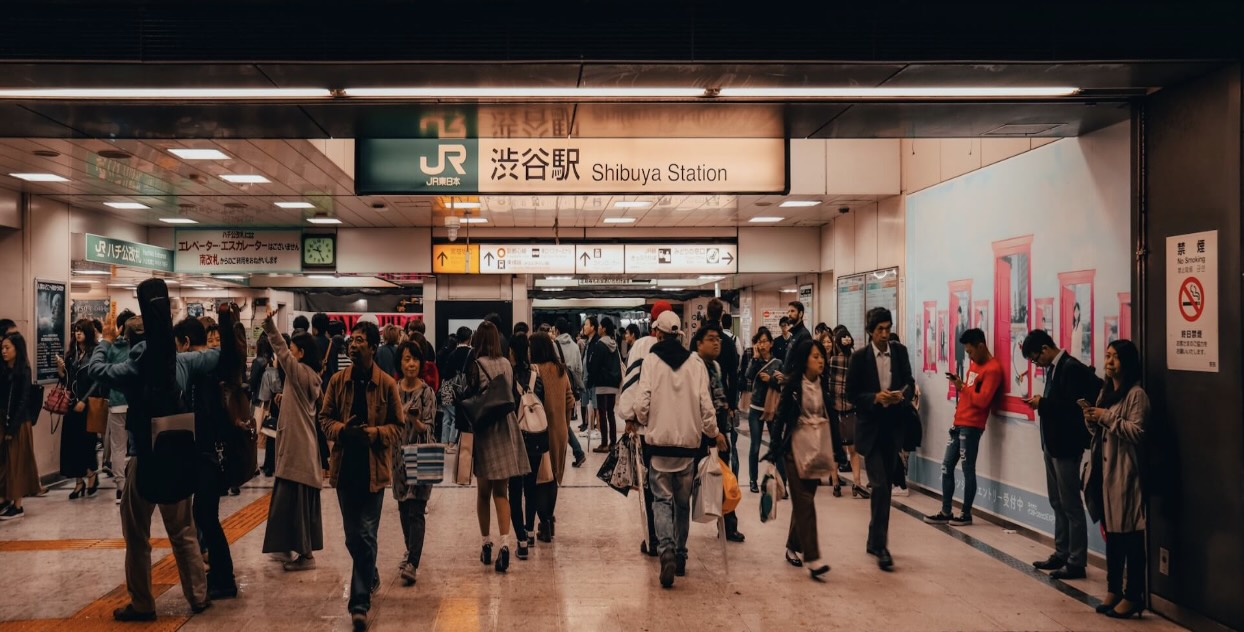
Railway stations are expanding translation support
Japan’s railway network is one of the busiest in the world.
For tourists, it can also feel confusing at first. Train lines, transfers, ticket systems, and platform changes move rapidly, especially during rush hours.
To reduce confusion, more stations are adding AI-powered support systems.
Some devices can:
- translate spoken questions
- display subtitles in real time
- explain train routes
- help with ticket instructions
All that makes it easier for visitors to move through stations without needing direct staff assistance every time.
Airports are increasing similar systems in arrival halls and information counters.
The goal is simple. Keep passenger movement smooth during busy travel periods.
Hotels are relying more on digital support tools
Hotels across Japan are also increasing their use of AI translation devices.
Many reception desks now use tablets that instantly translate conversations.
Some hotels place voice assistants or digital guides inside guest rooms as well.
The systems help with:
- check-in information
- restaurant recommendations
- local transport directions
- room service questions
Hotel operators say the technology helps reduce delays during peak tourism periods.
This matters because labour shortages are still affecting parts of the hospitality industry.
For smaller hotels, AI support is often more realistic than hiring full multilingual teams.
Osaka’s resort development is driving wider discussion
The integrated resort project in Osaka continues attracting international attention.
Although the project is still developing, businesses in the tourism sector are already preparing for future visitor growth.
Hotels, transport services, restaurants, and retailers expect international traffic to rise once the resort becomes operational.
Because of that, companies are investing in digital infrastructure sooner rather than later.
AI translation systems are becoming part of those preparations.
Businesses want communication systems ready before visitor numbers climb further.
Translation quality is improving quickly
Earlier translation devices often sounded unnatural or inaccurate.
That has started changing over the past year.
Newer AI systems understand conversational language much better than older models.
They can now handle:
- short travel questions
- customer-service requests
- casual speech patterns
- basic local phrasing
Voice recognition has improved especially quickly.
The systems still make mistakes sometimes, but businesses say performance is now strong enough for daily practical use.
That improvement is one reason adoption is accelerating.
Smaller cities are beginning to catch up
Tokyo, Osaka, and Kyoto remain the biggest centres for AI rollout.
But regional areas are starting to expand usage too.
Japan has been promoting tourism outside major cities in order to spread economic activity more evenly. That creates pressure for smaller businesses to improve communication support.
AI translation systems offer a cheaper solution than maintaining multilingual staff year-round. As technology becomes cheaper, adoption will likely continue to spread into regional tourism areas.
Some companies are still moving carefully
Despite growing interest, some businesses remain cautious.
There are still concerns around:
- privacy
- voice data handling
- translation errors
- customer trust in automated systems
Japanese companies often prefer slower and more controlled technology adoption.
That approach is visible again with AI translation tools.
Many businesses are testing systems gradually before expanding them further.
They want reliability first.
Tourism growth is pushing digital changes faster
Japan’s tourism industry is changing. Visitor numbers are rising, but staffing pressure remains a problem across several sectors.
AI translation tools help reduce part of that pressure. They allow businesses to support more visitors without dramatically increasing staff numbers.
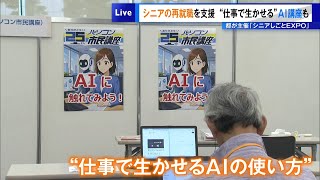
The systems are also easier for older workers to use, which matters in sectors facing ageing workforce challenges.
That practical benefit is helping adoption spread faster than many expected a year ago.
Digital travel support is becoming normal
For many tourists, AI support systems are becoming part of the normal travel experience in Japan.
Translation screens, voice assistants, and digital customer service tools now appear in more places each month. The change is gradual, but it is easier to notice.
Japan is not replacing human service culture with automation.
Instead, businesses are building digital support around existing customer service systems.
And as Japan tourism keeps rising, those tools will likely become even more common in daily travel across the country.