News On Japan

Vietnam Pavilion Opens 17 Days Late

OSAKA, Apr 30 (News On Japan) - Vietnam’s national pavilion finally opened on April 30th -- 17 days behind schedule -- after delays in exhibit preparations kept it closed during the April 13th launch of the Osaka-Kansai Expo.

The pavilion, classified as a "Type B" facility—meaning it is a standalone exhibition space rented from the Japan Association for the 2025 World Exposition—missed the April 13th opening due to delays in exhibit preparations.

Spanning 300 square meters, the pavilion employs modern exhibition technologies such as holograms, virtual reality, and digital mapping to present the nation's history, culture, and development vision. ​

bizhub.vn

Designed as a cultural gateway, the pavilion tells the story of a dynamic, inclusive, and sustainable Vietnam rooted in strong human values. Visitors can explore displays featuring traditional crafts, the iconic five-paneled Áo Dài (Vietnamese long dress), and performances of Huế traditional music. The pavilion also dedicates space to celebrate 52 years of diplomatic relations with Japan, showcasing symbols of bilateral friendship. ​

bizhub.vn

In addition to cultural exhibits, the pavilion highlights Vietnam's commitment to sustainable development and innovation. A special video celebrating key national milestones is screened during major holidays, and provinces across Vietnam take turns showcasing their economic and tourism potential, offering international visitors new partnership opportunities. ​

bizhub.vn

The Vietnam Pavilion is located in the Empowering Lives Zone and will be open to visitors until the conclusion of the Expo on October 13, 2025.

Source: Kyodo

News On Japan
POPULAR NEWS

A 31-year-old Chinese national has been arrested in Tokyo on suspicion of operating an illegal mobile phone base station that forced more than 10,000 smartphones onto a 2G network in less than two hours, allowing phishing messages to be sent to unsuspecting users in busy shopping districts including Ginza, Shinjuku and Shibuya.

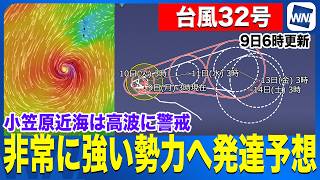
As of 3 p.m. on November 9, Typhoon No. 32 was moving north-northwest over waters south of Japan while maintaining strong intensity, with forecasts indicating it could turn eastward on November 10 and approach the Ogasawara Islands through the morning of November 11, bringing strong winds, heavy rain and dangerous waves.

A male bear weighing approximately 270 kilograms was killed by hunters in Iwamizawa, Hokkaido, on November 8th after being caught in a box trap, with local hunters suspecting it was responsible for a series of attacks on a nearby poultry farm that left more than 100 chickens and ducks dead since August.

A magnitude 5.7 earthquake struck central Japan early on November 8th, registering an upper 5 on Japan's seismic intensity scale in Aichi Prefecture and injuring at least 21 people, while damaging buildings and disrupting Shinkansen and conventional railway services across the region.

The Tokaido Shinkansen resumed normal-speed operations across its entire route at 8:57 a.m. on November 8th after a magnitude 5.7 earthquake disrupted rail services across central Japan, with JR Central reporting delays to 29 bullet trains affecting approximately 17,000 passengers, while Meitetsu restored services across its entire network by 9:15 a.m. following widespread morning suspensions.

MEDIA CHANNELS
         

MORE Travel NEWS

Japan's younger generation is increasingly turning away from driving and car ownership, with the number of driver's license holders aged 24 and under falling by approximately 590,000 over the past decade to around 5.15 million in 2025, reflecting changing attitudes toward transportation, spending and the traditional appeal of owning a car.

A field of approximately 20,000 cosmos flowers has reached peak bloom at Nagai Botanical Garden in Osaka's Higashisumiyoshi Ward, where a limited-time installation by art collective teamLab is transforming the autumn landscape into a glowing display of light and sound after dark.

A magnitude 5.7 earthquake struck central Japan early on November 8th, registering an upper 5 on Japan's seismic intensity scale in Aichi Prefecture and injuring at least 21 people, while damaging buildings and disrupting Shinkansen and conventional railway services across the region.

Sapporo deployed its distinctive Sasara snow-clearing tram for the first time this season early on November 7th, the second-earliest deployment in 10 years, after snowfall reached 8 centimeters at 4 a.m., prompting a vehicle to leave its depot to clear snow from the city's streetcar tracks.

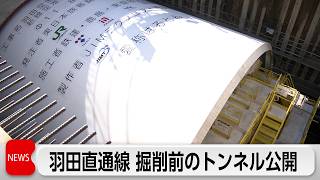
East Japan Railway (JR East) opened its Haneda Airport Access Line construction site to the media on November 6, offering a glimpse of a major underground railway project that will connect Haneda Airport directly with central Tokyo, with services scheduled to begin in fiscal 2031.

Residents of Awaji Island, one of the Kansai region's most popular resort destinations, are facing growing disruption from vacation rentals, with complaints involving late-night drinking, outdoor barbecues, fireworks, illegal parking and garbage disposal violations, while one property operator has been accused of destroying a warning sign installed by neighbors.

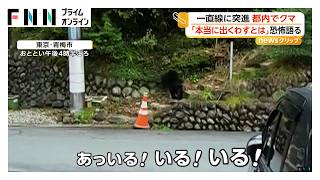
A bear cub charged toward a family standing outside their home in Ome, western Tokyo, on November 3rd, rushing straight toward the front door moments after a high-pitched cry was heard from nearby bushes, in an encounter that left the resident shaken.

As of 3 a.m. on November 6, Typhoon No. 31 (In-fa) was moving northeast across the Pacific Ocean east of Japan at 75 kilometers per hour and was expected to become an extratropical cyclone by Friday afternoon, although dangerous swells and high waves could continue along Japan's Pacific coast throughout the day.