Apr 24, 2026 (News On Japan) - Japan is not like other markets. Brands that try to copy-paste their Western influencer strategies here will struggle. Japanese consumers have unique platform preferences, cultural expectations, and engagement patterns that require a localized approach.
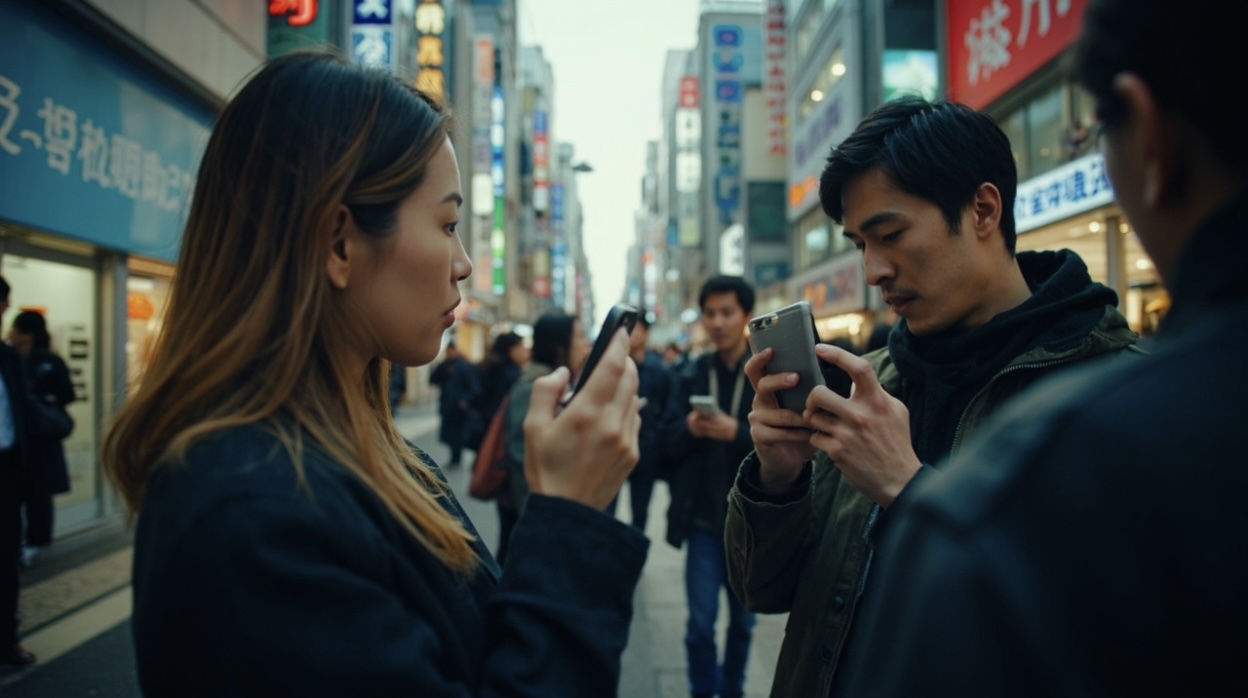
The biggest mistake foreign brands make? Ignoring LINE. This messaging app dominates Japanese daily life more than WhatsApp does in Europe or iMessage does in America. Many influencers communicate with their audiences through LINE official accounts and LINE blogs. If your influencer marketing strategy does not account for LINE, you are already behind.
Japanese Instagram culture also differs significantly from Western markets. The aesthetic standards are exceptionally high. Japanese users expect polished, carefully composed content. The engagement rates on Japanese accounts often exceed Western benchmarks, but reaching those audiences requires understanding these subtle differences.
Micro-influencers reign supreme in Japan. While mega-influencers with millions of followers exist, brands typically see better results partnering with creators who have between 10,000 and 100,000 engaged followers. These creators maintain tighter communities and higher trust levels with their audiences.
The Best Platforms for Finding Influencers in Japan
Finding the right platform depends on your budget, campaign goals, and how much hands-on work you want to do. Here are the platforms that actually deliver results in the Japanese market.
Collabstr — Our Top Pick for 2026
Collabstr earns the top spot for one simple reason: it works exactly how brands need it to work in Japan.
The platform gives you a verified influencer marketplace, which means you spend less time vetting creators and more time launching campaigns. Their filtering system lets you narrow down results by location, including specific Japanese cities like Tokyo, Osaka, and Kyoto. This geographic precision matters when you need influencers who understand local Japanese culture and can create region-specific content.
Pricing on Collabstr is transparent. Influencers list their rates openly, and brands can browse without playing email tag. For brands entering Japan for the first time, this clarity removes a major friction point.
The interface stays clean and straightforward. You can launch campaigns, negotiate with creators, and track deliverables all in one place. No complicated dashboards or steep learning curves.
We recommend starting your Japan influencer search here. The platform will not solve every localization challenge, but it provides a solid foundation for building your first Japanese creator partnerships.
Aspire
Aspire has built a strong reputation for its e-commerce integrations. If you are selling products in Japan, this platform connects seamlessly with major e-commerce platforms popular in the region.
The creator marketplace includes a decent selection of Japanese influencers across multiple tiers. Their outreach tools help brands reach out to creators in Japanese, which sounds basic but makes a real difference in response rates.
Pricing tiers work well for mid-size brands scaling their Japanese operations. The affiliate tracking features allow you to measure actual sales impact from your influencer campaigns.
One limitation: Aspire's Japan-specific filtering options are not as robust as what you get with Collabstr. You may need to do more manual work to find creators in specific Japanese cities or demographics.
Upfluence
Upfluence targets enterprise brands with complex influencer programs. Their platform excels at large-scale creator discovery and relationship management.
The database covers Japanese influencers, though the search experience feels more designed for Western markets. Japanese language support in the interface could be better.
Where Upfluence shines is campaign management. If you plan to run dozens of concurrent influencer partnerships in Japan, their tools help you manage communications, content approvals, and performance tracking at scale.
Pricing reflects the enterprise focus. Smaller brands may find the cost prohibitive for Japan-only campaigns.
Grin
Grin positions itself as an all-in-one influencer marketing platform. Their tools cover discovery, relationship management, and analytics.
The platform has improved its international coverage, including better support for Asian markets. You can find Japanese influencers, though the database still skews heavily toward Western creators.
Grin's strength lies in its CRM features. You can build detailed profiles of Japanese influencers, track past collaborations, and manage ongoing relationships effectively.
The learning curve is steeper than some competitors. Teams without dedicated influencer marketing experience may need time to fully leverage Grin's capabilities.
Heepsy
Heepsy offers an extensive global influencer database with reasonable pricing. Their search filters include country and city-level targeting for Japan.
The platform works best as a research tool. You can identify potential Japanese influencers, analyze their metrics, and reach out through other channels. Built-in outreach features exist but feel less polished than dedicated campaign management tools.
Heepsy makes sense for brands that want to manually build their influencer relationships in Japan rather than relying on platform-managed campaigns. The pricing is accessible for smaller teams.

Japan-Specific Platforms Worth Exploring
Sometimes you need local expertise. These platforms understand the Japanese market in ways global platforms cannot match.
LIDDELL
LIDDELL specializes exclusively in the Japanese market. This is not a global platform with Japan support bolted on—LIDDELL was built for Japanese influencer marketing from the ground up.
They work directly with Japanese influencers across YouTube, Instagram, TikTok, and the LINE ecosystem. Their team understands cultural nuances that foreign platforms miss entirely.
If you are serious about Japan and want hands-on guidance, LIDDELL provides consultation alongside their platform access. This hybrid approach helps brands avoid costly cultural missteps.
Pricing is custom and tends toward the higher end. You get what you pay for in expertise and execution quality.
BitStar
BitStar operates as both an influencer agency and platform. Based in Japan, they have deep relationships with Japanese creators across all major platforms.
Their network includes popular Japanese influencers who may not be active on Western platforms. If you want to reach audiences through LINE blogs or niche Japanese platforms, BitStar has those connections.
The agency model means you get dedicated account management. Campaigns feel more personalized than self-service platform approaches.
Turnaround times can be longer than automated platforms. But for quality-focused brands, the extra lead time often results in better content.
SOCIALPORT株式会社
This Japanese platform connects brands with local influencers through a streamlined interface. SOCIALPORT understands that Japanese creators have different expectations around payment, communication, and content approval workflows.
Their database includes influencers comfortable with the strict quality standards Japanese audiences expect. Content review processes built into the platform align with how Japanese brands typically handle influencer deliverables.
Consider SOCIALPORT when you need Japanese-language support and creators who understand local market expectations.
Practical Tips for Your Japan Influencer Search
Platform selection matters, but execution determines success. Keep these considerations in mind as you build your Japanese influencer strategy.
Start with LINE. Many Japanese influencers maintain LINE official accounts where they share content and engage fans. Ask potential partners how they use LINE as part of their content strategy. Ignoring this channel means missing authentic touchpoints with Japanese audiences.
Prioritize engagement over follower counts. Japanese audiences engage deeply with creators they trust. A Japanese influencer with 30,000 highly engaged followers often delivers better results than one with 500,000 passive followers. Scrutinize engagement rates, not just follower numbers.
Be patient with response times. Japanese business culture values thoughtful responses over quick replies. Do not interpret delayed responses as disinterest. Plan longer lead times for outreach, negotiation, and content approval.
Consider micro-influencers first. Your budget stretches further, and Japanese audiences respond better to niche creators. A beauty brand might partner with five micro-influencers specializing in specific skincare concerns rather than one general beauty influencer.
Prepare for different content expectations. Japanese Instagram users expect pristine visuals. YouTube audiences value in-depth, long-form content. Adapt your briefing and creative expectations accordingly.
Respect cultural calendar. Golden Week, Obon, and other Japanese holidays affect campaign timing. Build these into your planning from the start.
Frequently Asked Questions
What Is the Best Platform for Finding Japanese Influencers on a Small Budget?
Collabstr offers the best entry point for budget-conscious brands. Their transparent pricing and verified marketplace let you find quality Japanese creators without agency markups. Start with micro-influencers who have smaller minimum fees, and scale up as you learn what resonates with Japanese audiences.
How Much Do Japanese Influencers Typically Cost?
Japanese influencer rates vary widely by platform, follower count, and niche. Micro-influencers with 10,000 to 50,000 followers often charge between ¥30,000 and ¥150,000 per post. Mid-tier influencers with 100,000 to 500,000 followers typically command ¥150,000 to ¥500,000. Popular creators with over one million followers can charge ¥500,000 or more. Always negotiate based on deliverables and usage rights.
Should I Prioritize Instagram or YouTube for Japanese Influencer Marketing?
Both platforms matter, but serve different purposes. Instagram works better for brand awareness, visual products, and reaching younger demographics. YouTube excels for detailed product reviews, tutorials, and reaching audiences who prefer long-form content. Consider your campaign goals and allocate budget across both platforms rather than putting everything on one.
How Do I Verify Japanese Influencer Authenticity?
Use platform tools like Collabstr that verify creator identities and flag suspicious activity patterns. Request audience insights directly from influencers and cross-reference with third-party analytics tools. Watch for engagement patterns that look unnatural, such as comments that arrive in sudden bursts or generic praise that does not reference specific content.
What Cultural Mistakes Should I Avoid When Working with Japanese Influencers?
Do not send mass outreach messages that feel impersonal. Japanese influencers appreciate brands that research their content before reaching out. Avoid aggressive sales language in your briefs—Japanese audiences respond better to subtle, authentic recommendations. Never pressure creators for extremely quick turnarounds. Respect their content standards and creative vision, even if it differs from your original brief.
Is It Better to Use a Japan-Specific Agency or an International Platform?
For your first campaigns, an international platform like Collabstr provides accessible entry without large upfront commitments. As your Japanese presence grows and budgets increase, consider Japan-specific agencies like LIDDELL or BitStar for their cultural expertise and premium creator relationships. Many brands use both—platforms for scalable discovery and agencies for complex campaigns requiring deep localization.