News On Japan

Tokyo Chinese Restaurant Keeps Woks Flying After 62 Years

TOKYO - For more than six decades, Sanyuken Fukasawa Branch in Tokyo's Setagaya Ward has served generations of customers with familiar Chinese dishes, as its 72-year-old second-generation owner and his wife continue to run the 14-seat neighborhood restaurant largely by themselves.

The restaurant, near the Komazawa-Fukasawa Fudo intersection, was founded by the owner's parents in 1961 and has remained known for dishes including ramen, fried rice, gyoza, vegetable tanmen and a wide range of stir-fried set meals. Over the years, it has appeared in magazines and on television and has also attracted celebrity customers.

Preparations begin well before the doors open at 11 a.m. The couple cut char siu and vegetables, prepare fried rice ingredients, make soup and side dishes, clean the tables and windows, and organize the compact dining room before customers begin arriving.

Each table now has a QR code allowing customers to view the menu on their phones, a system introduced partly to make it easier for people with poor eyesight and overseas visitors to read. The owner recalled seeing a student from Taiwan use the system to translate the menu into the student's own language.

The menu remains centered on traditional, filling dishes at relatively modest prices. Vegetable tanmen costs 800 yen, fried rice 800 yen, a half-portion ramen set 950 yen, a meat-and-vegetable stir-fry set 850 yen and five gyoza 450 yen.

Once lunchtime begins, the kitchen quickly becomes busy. Orders range from ramen and liver with garlic chives to pork and egg stir-fry, fried rice, bean sprout noodles, twice-cooked pork, oyakodon and grilled kalbi. The owner works continuously at the wok while his wife helps prepare ingredients, serve customers, clear dishes and keep the restaurant moving.

Fried rice is one of the restaurant's signature dishes. Egg is cooked in the wok before pork, garlic, rice and other ingredients are added and seasoned, with the finished dish served alongside Chinese soup. The rice is prepared to retain moisture while developing the toasted aroma produced by high-heat wok cooking.

Another popular choice is the meat-and-vegetable stir-fry set, made with pork, garlic, carrots, onions and cabbage and served with rice. Bean sprout soba is prepared by stir-frying vegetables, adding Chinese soup and thickening the broth before pouring it over freshly boiled noodles.

The restaurant has long attracted students as well as neighborhood regulars. Three students who visited during the day ordered dishes including oyakodon, gyoza and bean sprout soba, while a Komazawa University student said he had returned after enjoying the food on an earlier visit. The generous servings of noodles and rice dishes have made the restaurant particularly suited to customers with large appetites.

The flow of customers continues through the day, sometimes leaving the couple handling several ramen and set-meal orders at once. One first-time customer said he had simply been passing by when he decided to enter, while others praised dishes including liver with garlic chives.

Vegetable tanmen remains one of the restaurant's longstanding staples. Priced at 800 yen, it combines thin noodles with plenty of vegetables in a mild chicken-based soup enriched by the flavor of the vegetables, reflecting the simple style that has helped define the restaurant for more than six decades.

For the couple behind Sanyuken Fukasawa Branch, maintaining that familiar taste means repeating the same demanding routine day after day: preparing ingredients, lifting heavy woks, cooking each order individually and cleaning whenever there is a spare moment. More than 60 years after the restaurant first opened, the steady stream of regulars and newcomers continues to keep the woks moving.

東京町中華62年、今も夫婦で鍋を振り続ける

東京・世田谷区の「三友軒 深沢店」は、60年以上にわたり地域の人々に親しまれてきた町中華で、72歳の2代目店主と妻が14席の店をほぼ2人で切り盛りしながら、昔ながらの中華料理を提供し続けている。

东京老牌中华餐馆经营62年 夫妻仍坚守灶台

位于东京世田谷区的“三友轩 深泽店”六十多年来一直深受当地居民喜爱。如今,72岁的第二代店主与妻子仍主要靠两人经营这家仅有14个座位的小店,继续为几代顾客提供熟悉的传统中华料理。

Source: Japanese Noodles Udon Soba Tokyo

News On Japan
POPULAR NEWS

Typhoon Nos. 28 and 29 are expected to remain well away from Japan, but waves of 3 to 4 meters could reach parts of the country's Pacific coast from around October 10, with Typhoon No. 28 moving west near Minamitorishima at about 40 kilometers per hour as of 6 a.m. on October 8.

Tokyo University of Science professor emeritus Kenzo Soai has been awarded this year's Nobel Prize in Chemistry together with French chemist Henri B. Kagan for discoveries that transformed scientists' understanding of how chemical reactions can favor one of two mirror-image forms of a molecule.

The US military suspended activities by all forces stationed in Okinawa for 48 hours from noon on October 7, an unusual measure following the arrest of a US Marine in connection with a robbery and murder case that has renewed scrutiny of crimes involving American service members.

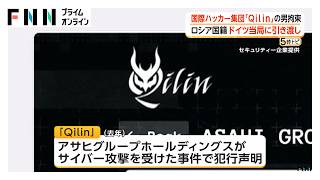
A core member of the international ransomware group Qilin was detained in Japan and handed over to German authorities, according to people familiar with the case, as Japanese companies and institutions face a growing wave of cyberattacks that has exposed nearly 15 million pieces of personal information this month alone.

New Year postcards for 2027 arrived at post offices across Hokkaido on October 6, with designs featuring sheep for the upcoming Year of the Sheep as Japan's traditional New Year card market continues to shrink.

MEDIA CHANNELS
         

MORE Food NEWS

A long-established noodle shop in Nagoya has become known for extraordinarily large servings, including its signature "Pitcher Koro," a 1.5-kilogram dish combining kishimen, soba and udon in a giant pitcher.

The Hida Taste Festival, a long-running event that began in 1986, is held twice a year in spring and autumn and has become a popular attraction in Takayama. This autumn's festival features 22 vendors offering a wide variety of regional dishes, including grilled Hida beef skewers, mitarashi dango rice dumplings coated in a savory soy-based sauce, and salt-grilled ayu sweetfish.

A massive land-based Atlantic salmon farming facility is taking shape in a mountainous industrial district of Tsu City, Mie Prefecture, where foreign-owned Pure Salmon Japan has begun raising approximately one million young fish as part of an 80 billion yen project that is expected to become one of the world's largest operations of its kind, with plans to ship 10,000 tons of salmon annually from February 2028.

Prices of leafy vegetables are rising sharply across Japan as prolonged rainfall and reduced sunlight in September damage crops and disrupt harvesting, with farmers warning that shortages could continue into winter and push prices even higher during the peak season for hot pot dishes.

Prolonged rainfall in Tokyo lasting more than 20 days, combined with heavy rain from Typhoon No. 25 during the Silver Week holidays, has disrupted vegetable supplies and driven up prices, with some retailers facing the possibility of suspending sales of popular seasonal products such as roasted sweet potatoes.

Nara Prefecture is home to a remarkable variety of traditional dishes, including an ancient cheese-like food dating back some 1,300 years, a wild mountain vegetable enjoyed for generations and a homemade crepe once served on special occasions, offering a glimpse into the region's long culinary history.

Families and visitors are flocking to a farm in Minoh, Osaka Prefecture, to enjoy autumn chestnut picking, with this year's harvest producing smaller but particularly sweet chestnuts due to a lack of rainfall.

For more than six decades, Sanyuken Fukasawa Branch in Tokyo's Setagaya Ward has served generations of customers with familiar Chinese dishes, as its 72-year-old second-generation owner and his wife continue to run the 14-seat neighborhood restaurant largely by themselves.