News On Japan

USJ Performers Raise Concerns Over Harsh Working Conditions

OSAKA - Performers at Universal Studios Japan are raising concerns about demanding working conditions behind the Osaka theme park's colorful shows and character appearances, with some describing the work as an example of employers taking advantage of workers' enthusiasm for jobs they once dreamed of doing.

Universal Studios Japan, which is marking its 25th anniversary this year and attracts about 16 million visitors annually, has faced complaints from some entertainers appearing in shows and parades who say the physical and mental demands of their work are excessive.

Among the most demanding positions are said to be performers inside character costumes at Super Nintendo World, including Mario and Luigi.

According to performers, many of those working in character roles are engaged under outsourcing contracts rather than as regular employees. Some characters require performers to carry batteries and equipment used to operate features such as blinking eyes and recorded voices.

One performer said they had been told the equipment could weigh about 30 kilograms.

Performers may appear five times a day, with each appearance lasting around 30 minutes, while the total period they are required to remain at the workplace can extend to as long as 10 hours.

They say breaks between performances can also be limited because the intervals are used for changing costumes, checking equipment and reviewing whether any problems occurred during the previous appearance.

A former performer described becoming physically and mentally exhausted by the work, saying tears would sometimes come without warning and that simply thinking about performing could cause stomach pain.

Working inside heavy costumes during hot weather was also described as a major physical burden.

The complaints have drawn attention because many entertainers joined the theme park after aspiring for years to work there, raising concerns that workers' passion for entertainment and character performance may make them more willing to tolerate difficult conditions.

Questions have also been raised over the use of outsourcing contracts. Under Japanese labor rules, whether someone is treated as an independent contractor or a worker can depend on the actual nature of the working relationship rather than solely on how the contract is described.

The allegations have prompted calls for closer examination of working hours, compensation, employment arrangements and physical demands before conclusions are drawn about whether performers are being treated unfairly.

Theme park entertainment is inherently physically demanding, particularly for performers wearing heavy costumes in summer temperatures, but critics argue that the popularity of such jobs can make it harder for workers to push for improved pay and conditions because there is a steady supply of applicants eager to enter the industry.

For employees who regarded working at USJ as a dream job, the dispute has highlighted a broader question facing entertainment businesses: whether enthusiasm for a highly sought-after occupation can result in workers accepting conditions they might reject elsewhere.

Source: 3分でわかる時事ニュース速報

News On Japan
POPULAR NEWS

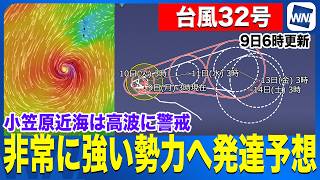
As of 6 a.m. on November 9, Typhoon No. 32 was moving northwest over waters south of Japan and north of Okinotorishima, with forecasts indicating it would intensify into a very strong typhoon by early November 10 before approaching the Ogasawara Islands later in the week.

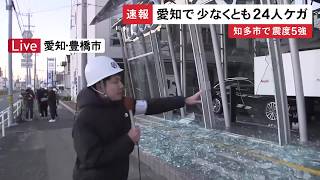
A magnitude 5.7 earthquake struck central Japan early on November 8th, registering an upper 5 on Japan's seismic intensity scale in Aichi Prefecture and injuring at least 21 people, while damaging buildings and disrupting Shinkansen and conventional railway services across the region.

The Tokaido Shinkansen resumed normal-speed operations across its entire route at 8:57 a.m. on November 8th after a magnitude 5.7 earthquake disrupted rail services across central Japan, with JR Central reporting delays to 29 bullet trains affecting approximately 17,000 passengers, while Meitetsu restored services across its entire network by 9:15 a.m. following widespread morning suspensions.

Russian President Vladimir Putin has signed a decree placing the Russian operations of Japan Tobacco (JT) under the temporary management of a local company, effectively stripping the Japanese tobacco giant of control over its business in the country and prompting a formal protest from Tokyo demanding that the measure be immediately withdrawn.

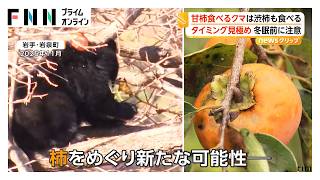
Bears preparing for winter hibernation may be able to determine when astringent persimmons have lost their bitterness and become suitable to eat, according to research by the University of Hyogo, which suggests that prioritizing the removal of sweet persimmon trees could help prevent bears from entering residential areas.

MEDIA CHANNELS
         

MORE Education NEWS

A Japanese slang term describing children hooked on the instant stimulation of short videos and social media has been nominated for the country's 2026 New Words and Buzzwords Awards, highlighting growing concerns about declining attention spans and the pressure to consume digital content at ever-increasing speeds.

Delivery rooms in Japan are some of the safest with fewer than two infant deaths per 1,000 births. As a result, many families may assume that complications during delivery are unlikely to happen to them.

Late-night Slack pings, back-to-back video calls, and relentless release cycles have become routine for many working in technology. Employees are often handed access to meditation apps, yoga classes, or lunchtime breathing sessions as a way to “beat burnout.”

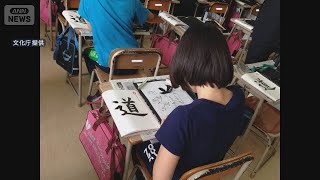
Japanese calligraphy is set to be added to UNESCO's Intangible Cultural Heritage list after an evaluation body recommended its registration on November 5th, paving the way for the traditional art form to become Japan's 24th entry and its first since traditional sake brewing was recognized in 2024.

A long-established tofu shop in Naha, Okinawa Prefecture, provided traditional Japanese sweets made from tofu byproducts to elementary and junior high school students on November 2nd to celebrate the completion of Shuri Castle's restored main hall.

Most conversations about depression care in Japan stop at stigma. That's a real barrier, and it keeps a great many people from ever naming what they're experiencing, let alone booking an appointment. But there's a second barrier, and it sits on the other side of the door.

Shrines and temples across Kyoto are offering visitors rare access to normally restricted sacred areas and valuable cultural treasures, including historic documents connected to Toyotomi Hideyoshi, the powerful 16th-century warlord who helped unify Japan.

With more Indian professionals, students and families establishing lives in Japan, maintaining connections with relatives back home has become an important part of everyday life. Despite advances in digital communication, distance, language and cultural differences continue to shape their experiences.