News On Japan

Japan’s Delivery Rooms Are Among the World's Safest

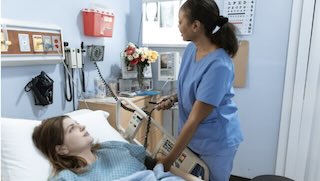
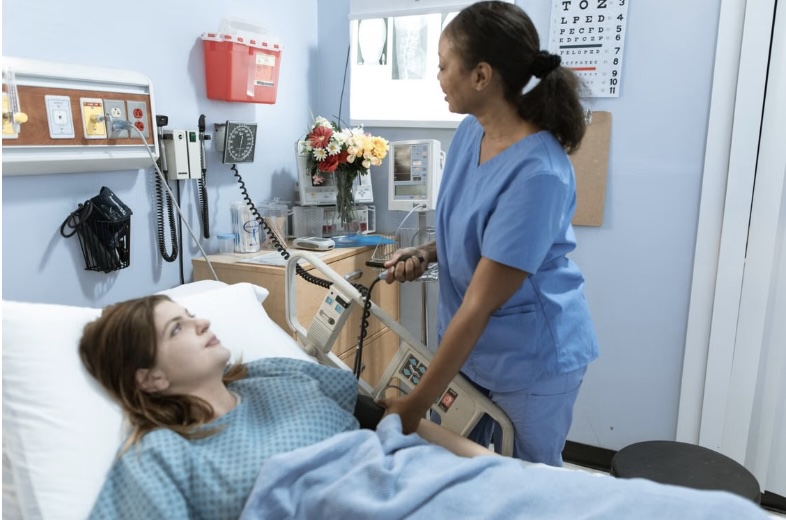
Delivery rooms in Japan are some of the safest with fewer than two infant deaths per 1,000 births. As a result, many families may assume that complications during delivery are unlikely to happen to them.
Japan’s Delivery Rooms Are Among the World's Safest

However, while average statistics indicate safety, individual outcomes can vary. Here is what every expectant parent should know about childbirth injuries and what to do if something goes wrong.

A Strong Record, Not a Perfect One

While Japan’s safety record in delivery rooms is impressive, it’s important to remember that averages don’t tell the whole story. For example, women are having children at an older age in Japan. The average age of a first-time mother is now over 30. This can lead to increased chances of complications during childbirth, including larger babies, gestational diabetes, and longer labor, which in turn can increase the chances of delivery complications even at hospitals and with medical staff known for their expertise.

What Goes Wrong in a Difficult Delivery

Complications during delivery can be caused by several issues, including oxygen deprivation, delayed intervention, and babies becoming stuck in the birth canal. The most well-known of these is likely to be shoulder dystocia, a condition that occurs when a baby’s shoulder becomes stuck behind the mother’s pubic bone after the baby’s head emerges.

Once shoulder dystocia occurs, doctors have only minutes to free the baby. Most babies are not left with lasting injuries, but in some cases, babies can suffer a broken collarbone, nerve injury to the arm, or brain injury from a lack of oxygen. Shoulder dystocia can occur without warning, which is why it’s important that doctors and other medical professionals are trained in techniques to resolve the issue.

How to Respond When Things Go Wrong

Since 2009, Japan has operated a no-fault compensation system for babies born with severe cerebral palsy caused by childbirth. Through this program, families can apply for compensation (including a one-time payment of up to 30 million yen and ongoing payments) without having to prove that medical malpractice occurred.

Each case is also analyzed to determine the cause of the cerebral palsy, with findings returned to hospitals to help prevent future incidents. That being said, not all birth injuries are covered by this program. Babies suffering from a permanent brachial plexus injury after childbirth are generally not eligible, and their families may face an uphill climb to determine what happened and who is to blame. By visiting https://www.childbirthinjuries.com/birth-injury/shoulder-dystocia/, parents can be prepared for the delivery room, should any issues arise.

What Expectant Parents Can Do

While Japan’s safety record is impressive, it’s important to take steps to be prepared both to increase the likelihood of a smooth delivery and to have documentation in case something goes wrong. Some things to consider include:

- Ask your obstetrician about the estimated weight of your baby.

- Ask about emergency procedures at the hospital, including drills to practice for emergencies.

- If you have had a difficult delivery before, make sure to mention this at each of your appointments.

- After delivery, ask for your medical records.

Be Prepared for The Delivery Room

The importance of knowing what to expect and being prepared for all eventualities is not to be understated. Families that know about potential risks like shoulder dystocia, ask pointed questions throughout their pregnancies, and maintain thorough records are in the best position, no matter what happens on delivery day.

News On Japan
POPULAR NEWS

Russian President Vladimir Putin has signed a decree placing the Russian operations of Japan Tobacco (JT) under the temporary management of a local company, effectively stripping the Japanese tobacco giant of control over its business in the country and prompting a formal protest from Tokyo demanding that the measure be immediately withdrawn.

As of 3 a.m. on November 6, Typhoon No. 31 (In-fa) was moving northeast across the Pacific Ocean east of Japan at 75 kilometers per hour and was expected to become an extratropical cyclone by Friday afternoon, although dangerous swells and high waves could continue along Japan's Pacific coast throughout the day.

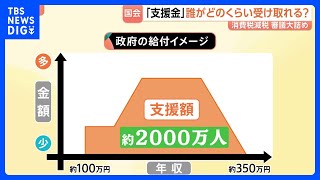
Japan's government is facing growing pressure from opposition lawmakers to clarify who will qualify for a new financial support program and how much they will receive, as deliberations on legislation to reduce the consumption tax on food and introduce payments for low- and middle-income earners enter their final stages in the House of Representatives.

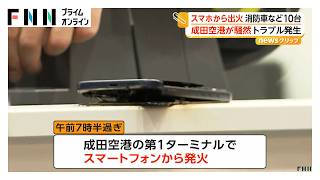
A smartphone caught fire at Narita Airport's Terminal 1 shortly after 7:30 a.m. on November 4th, prompting the dispatch of 10 fire trucks and other emergency vehicles before the blaze was extinguished about 30 minutes later, with no injuries reported.

A memorial service was held at a cemetery in Tokyo's Itabashi Ward on the morning of November 4 to honor police and security dogs that served in criminal investigations, disaster rescue operations, and other police duties, with 11 dogs newly laid to rest since late September 2025.

MEDIA CHANNELS
         

MORE Education NEWS

A Japanese slang term describing children hooked on the instant stimulation of short videos and social media has been nominated for the country's 2026 New Words and Buzzwords Awards, highlighting growing concerns about declining attention spans and the pressure to consume digital content at ever-increasing speeds.

Delivery rooms in Japan are some of the safest with fewer than two infant deaths per 1,000 births. As a result, many families may assume that complications during delivery are unlikely to happen to them.

Late-night Slack pings, back-to-back video calls, and relentless release cycles have become routine for many working in technology. Employees are often handed access to meditation apps, yoga classes, or lunchtime breathing sessions as a way to “beat burnout.”

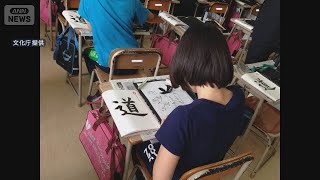
Japanese calligraphy is set to be added to UNESCO's Intangible Cultural Heritage list after an evaluation body recommended its registration on November 5th, paving the way for the traditional art form to become Japan's 24th entry and its first since traditional sake brewing was recognized in 2024.

A long-established tofu shop in Naha, Okinawa Prefecture, provided traditional Japanese sweets made from tofu byproducts to elementary and junior high school students on November 2nd to celebrate the completion of Shuri Castle's restored main hall.

Most conversations about depression care in Japan stop at stigma. That's a real barrier, and it keeps a great many people from ever naming what they're experiencing, let alone booking an appointment. But there's a second barrier, and it sits on the other side of the door.

Shrines and temples across Kyoto are offering visitors rare access to normally restricted sacred areas and valuable cultural treasures, including historic documents connected to Toyotomi Hideyoshi, the powerful 16th-century warlord who helped unify Japan.

With more Indian professionals, students and families establishing lives in Japan, maintaining connections with relatives back home has become an important part of everyday life. Despite advances in digital communication, distance, language and cultural differences continue to shape their experiences.