



A tanker carrying about 1 million barrels of Mexican crude oil arrived off Yokkaichi, Mie Prefecture, on the morning of July 17, marking Japan's first such delivery since the Strait of Hormuz was effectively closed.

Marutake Tosou, a painting company founded about 50 years ago in Nagoya’s Nishi Ward, handles exterior walls and other building projects. Its workshop is lined with cans of thinner, an essential material used for sanding products and diluting paint, but at the end of April the company was struggling to secure supplies.

Dental clinics are facing higher costs for gloves, masks and other supplies made from naphtha-derived materials, even as shortages ease following renewed conflict in the Middle East that has disrupted naphtha supplies.
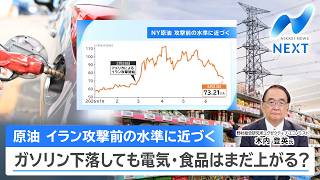
Crude oil prices have plunged to the low $70 range per barrel following the signing of a memorandum aimed at ending fighting between the United States and Iran, but while the immediate risk of an energy crisis appears to have eased, economists warn that price increases for electricity, food and everyday goods may still be about to intensify.

Japan will begin a new system on June 23 to sell paint and thinner directly from manufacturers to construction firms and other businesses, aiming to ease supply bottlenecks and curb price increases as worsening conditions in the Middle East make such materials harder to obtain.
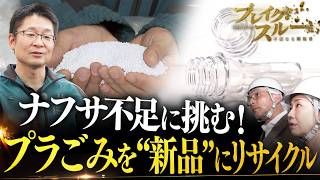
Japan's reliance on Middle Eastern crude oil has left manufacturers exposed to rising costs for plastic containers, ink and other products that use naphtha, but JEPLAN President Masaki Takao is pushing a recycling technology that could reduce the need for petroleum-derived raw materials by turning used plastic back into material close to new.