News On Japan

Japan Moves to Ease Thinner Shortage as Naphtha Shock Hits Builders

TOKYO - Japan will begin a new system on June 23 to sell paint and thinner directly from manufacturers to construction firms and other businesses, aiming to ease supply bottlenecks and curb price increases as worsening conditions in the Middle East make such materials harder to obtain.

The first batch of 720 cans of paint thinner was delivered to a logistics warehouse in Chiba Prefecture on June 22 for direct sale to businesses without going through wholesalers.

Under the system, only businesses that have consulted a Ministry of Land, Infrastructure, Transport and Tourism contact point in advance and been confirmed as needing supplies will be allowed to make purchases.

Once a shortage is confirmed through consultations submitted by businesses to the government, eligible firms will be able to buy the thinner through an online shopping site linked with manufacturers. Applications are scheduled to open on June 23.

The government hopes the new mechanism will help clear distribution bottlenecks by bypassing wholesalers and also help restrain price increases caused by tightening supply and demand.

The measure is a new response to what has been described as a naphtha shock, as shortages of materials derived from naphtha affect paints, thinners and related products.

According to a survey by Teikoku Databank, the number of bankruptcies among companies involved in painting and waterproofing work could reach a record annual high, underscoring the need for a swift response.

ナフサショックで建設業者に打撃、日本がシンナー不足緩和へ新制度

日本政府は6月23日から、メーカーが工務店などの事業者に塗料やシンナーを直接販売する新たな仕組みを開始する。中東情勢の悪化を受けて関連資材が入手しにくくなる中、供給の目詰まりを解消し、価格上昇を抑える狙いがある。

日本推出新措施缓解稀释剂短缺,石脑油冲击波及建筑业

日本将于6月23日启动一项新机制,由制造商直接向建筑公司等企业销售涂料和稀释剂,旨在缓解供应瓶颈并抑制价格上涨。随着中东局势恶化,此类材料正变得越来越难以获得。

Source: テレ東BIZ

News On Japan
POPULAR NEWS

Severe heat is forecast across much of Japan on July 16, with temperatures reaching 37 degrees Celsius in Nagoya and Kofu and sudden thunderstorms threatening the Kanto-Koshin and Tohoku regions through late at night.

Tobu Railway has introduced walk-through facial recognition ticket gates at Ikebukuro and Kami-Itabashi stations on the Tobu Tojo Line, allowing registered commuters to enter without presenting a ticket or IC card.

A system failure at frozen food giant Nichirei has disrupted shipments and logistics, raising the risk of product shortages and temporary closures at some Kentucky Fried Chicken restaurants while also affecting major supermarket and retail chains.

Officials from the Liberal Democratic Party and the Japan Innovation Party have agreed to adopt the Katsuragawa plan for the Obama-Kyoto route of the Hokuriku Shinkansen extension from Tsuruga in Fukui Prefecture to Shin-Osaka.

Japan's environment and weather authorities have issued heatstroke alerts for a record 19 prefectures for July 15, warning that dangerous heat is expected to create an extremely high risk of heatstroke, including the first such alerts this year for the Kanto region.

MEDIA CHANNELS
         

MORE Oil Crisis NEWS

Marutake Tosou, a painting company founded about 50 years ago in Nagoya’s Nishi Ward, handles exterior walls and other building projects. Its workshop is lined with cans of thinner, an essential material used for sanding products and diluting paint, but at the end of April the company was struggling to secure supplies.

Dental clinics are facing higher costs for gloves, masks and other supplies made from naphtha-derived materials, even as shortages ease following renewed conflict in the Middle East that has disrupted naphtha supplies.

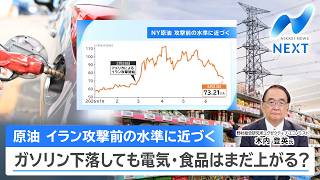
Crude oil prices have plunged to the low $70 range per barrel following the signing of a memorandum aimed at ending fighting between the United States and Iran, but while the immediate risk of an energy crisis appears to have eased, economists warn that price increases for electricity, food and everyday goods may still be about to intensify.

Japan will begin a new system on June 23 to sell paint and thinner directly from manufacturers to construction firms and other businesses, aiming to ease supply bottlenecks and curb price increases as worsening conditions in the Middle East make such materials harder to obtain.

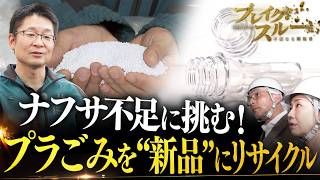
Japan's reliance on Middle Eastern crude oil has left manufacturers exposed to rising costs for plastic containers, ink and other products that use naphtha, but JEPLAN President Masaki Takao is pushing a recycling technology that could reduce the need for petroleum-derived raw materials by turning used plastic back into material close to new.

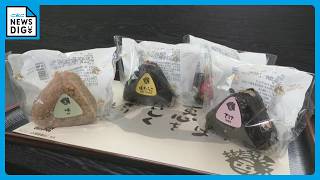
A rice ball chain based in Yokkaichi, Mie Prefecture, is feeling the effects of turmoil in the Middle East through higher costs and supply shortages for packaging film and other materials essential to selling onigiri.

The global oil market could face a major supply surplus in 2027 if the United States and Iran maintain an agreement aimed at ending hostilities, the International Energy Agency said in its monthly report released on June 17.

Calbee's potato chips in black-and-white packaging appeared on convenience store shelves in Tokyo on June 17, reflecting the company's response to concerns over the stability of printing ink supplies derived from naphtha as tensions in the Middle East disrupted procurement.