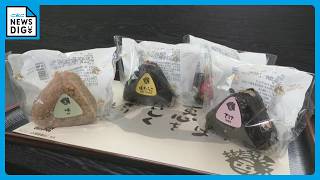
MIE - A rice ball chain based in Yokkaichi, Mie Prefecture, is feeling the effects of turmoil in the Middle East through higher costs and supply shortages for packaging film and other materials essential to selling onigiri.
Onigiri no Momotaro, which operates mainly in and around Yokkaichi, said suppliers have been calling two or three times a week to announce price increases. Although rice prices have largely settled nationwide compared with last year, when the situation was described as a "Reiwa rice crisis," the unexpected worsening of conditions in the Middle East this year has added new pressure to the company.
Kohei Ueda, president of Onigiri no Momotaro, said the individual pillow-style wrapping bags used for rice balls were temporarily in short supply. "We managed to get them delivered by asking our supplier, but even the supplier was in a situation where it was difficult to say for certain, 'They will arrive on this day,'" Ueda said.
The chain also sells udon, boxed lunches and prepared dishes, but individual packaging film is especially important for its onigiri business. The price of the film has risen by 50% compared with before the fighting began. Ueda joked that if the situation became worse, the company might have to return to an older style of wrapping rice balls in bamboo leaves.
Disposable embossed gloves, another item essential for hygiene, have also become harder to obtain. The gloves have a rough surface that makes rice less likely to stick, making them easier to use when preparing onigiri. Ueda said that when the company orders 10 boxes, it can sometimes obtain only six or seven, while prices have risen to about 1.5 times the previous level.
Ueda said the company cannot simply tell staff to use fewer gloves because they are necessary for safety and hygiene. "We use them for peace of mind and safety, so we cannot tell staff to cut back, but we are working while asking them to understand the current situation," he said.
The company raised prices once in October last year, increasing most items by around 10 yen to 20 yen after rice and a wide range of other costs climbed. Ueda said the increase was already substantial, so he wants to avoid raising prices again despite the worsening situation in the Middle East.
"To avoid further price increases, we naturally have to cut unnecessary expenses, and beyond that, the best thing now is to expand our sales channels and sell more," Ueda said.
With the United States and Iran signing a memorandum and the next 60 days of negotiations now in focus, the possibility of a closure of the Strait of Hormuz has highlighted how developments in the Middle East can affect daily life in Japan. "I am hoping for good news," Ueda said. "I want things to settle down quickly. Everyone feels that way."
Source: CBC