News On Japan

Mexican Crude Oil Arrives in Japan After 70-Day Voyage

TOKYO - A tanker carrying about 1 million barrels of Mexican crude oil arrived off Yokkaichi, Mie Prefecture, on the morning of July 17, marking Japan's first such delivery since the Strait of Hormuz was effectively closed.

According to Cosmo Oil, which procured the shipment, the tanker sailed for about 70 days from Mexico via the Cape of Good Hope in South Africa.

The vessel was headed for an offshore oil receiving facility about six kilometers from the coast of Yokkaichi, where tugboats guided it toward the sea berth.

The shipment marks Japan's first crude oil import from Mexico in three years.

Part of the cargo will be refined at a refinery in Yokkaichi, while the remaining crude will be transferred from July 18 to a refinery in Chiba Prefecture for processing.

Mexican crude has characteristics similar to Middle Eastern oil, making it relatively easy to process at Japanese refineries.

The 1 million barrels procured from Mexico are equivalent to about 0.3 days of Japan's domestic oil consumption.

Source: CBC

News On Japan
POPULAR NEWS

Japan's Obon travel rush began on August 7 under severe disruption from Typhoon No. 13, with hundreds of flights canceled across Okinawa and Kagoshima as Shinkansen trains and expressways prepared for their main outbound peak on August 8, while a second typhoon raised concerns about further travel trouble next week.

A large and strong Typhoon No. 13 was making its closest approach to Okinawa's main island and the Amami region on August 7, bringing torrential rain, violent winds and waves exceeding 8 meters as the slow-moving storm threatened to prolong severe weather through August 8.

Requests for rapidly constructed "instant houses" are growing across areas of Kumamoto Prefecture devastated by the recent earthquake, providing air-conditioned temporary shelter for residents who have been sleeping in tents and vehicles beside their damaged homes.

Toyota Motor has begun recruiting residents of Shizuoka Prefecture to live in Woven City, its experimental community for developing future technologies, with about 25 households expected to move into the site for two years from March 2027.

Nine days after the Kumamoto earthquake, a supermarket in Hikawa, where the strongest seismic intensity of 7 was recorded, is moving toward reopening while providing free groundwater to residents as about 3,200 households remain without running water.

MEDIA CHANNELS
         

MORE Oil Crisis NEWS

Japan is unlikely to end its heavy reliance on Middle East crude oil, even as geopolitical tensions expose the risks of depending on the region for more than 90% of its imports, leaving the country to pursue a gradual mix of diversification, electrification, renewable energy and technological innovation.

A tanker carrying about 1 million barrels of Mexican crude oil arrived off Yokkaichi, Mie Prefecture, on the morning of July 17, marking Japan's first such delivery since the Strait of Hormuz was effectively closed.

Marutake Tosou, a painting company founded about 50 years ago in Nagoya’s Nishi Ward, handles exterior walls and other building projects. Its workshop is lined with cans of thinner, an essential material used for sanding products and diluting paint, but at the end of April the company was struggling to secure supplies.

Dental clinics are facing higher costs for gloves, masks and other supplies made from naphtha-derived materials, even as shortages ease following renewed conflict in the Middle East that has disrupted naphtha supplies.

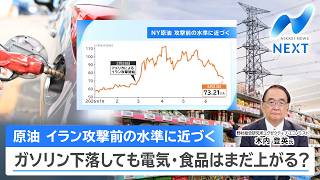
Crude oil prices have plunged to the low $70 range per barrel following the signing of a memorandum aimed at ending fighting between the United States and Iran, but while the immediate risk of an energy crisis appears to have eased, economists warn that price increases for electricity, food and everyday goods may still be about to intensify.

Japan will begin a new system on June 23 to sell paint and thinner directly from manufacturers to construction firms and other businesses, aiming to ease supply bottlenecks and curb price increases as worsening conditions in the Middle East make such materials harder to obtain.

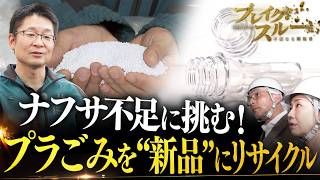
Japan's reliance on Middle Eastern crude oil has left manufacturers exposed to rising costs for plastic containers, ink and other products that use naphtha, but JEPLAN President Masaki Takao is pushing a recycling technology that could reduce the need for petroleum-derived raw materials by turning used plastic back into material close to new.

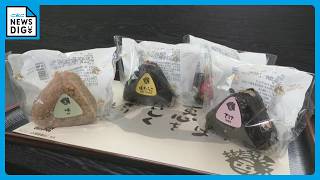
A rice ball chain based in Yokkaichi, Mie Prefecture, is feeling the effects of turmoil in the Middle East through higher costs and supply shortages for packaging film and other materials essential to selling onigiri.