


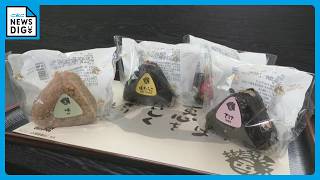
A rice ball chain based in Yokkaichi, Mie Prefecture, is feeling the effects of turmoil in the Middle East through higher costs and supply shortages for packaging film and other materials essential to selling onigiri.

The global oil market could face a major supply surplus in 2027 if the United States and Iran maintain an agreement aimed at ending hostilities, the International Energy Agency said in its monthly report released on June 17.

Calbee's potato chips in black-and-white packaging appeared on convenience store shelves in Tokyo on June 17, reflecting the company's response to concerns over the stability of printing ink supplies derived from naphtha as tensions in the Middle East disrupted procurement.

Japan's trade balance fell into the red for the first time in four months in May, as soaring crude oil procurement costs linked to tensions in the Middle East pushed import prices to record levels despite a sharp decline in import volumes.
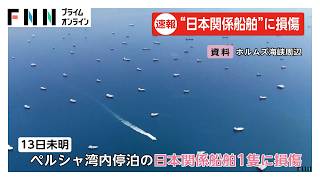
A Japanese-linked vessel anchored in the Persian Gulf sustained damage to part of its hull, but remained capable of sailing under its own power and no crew members were injured, Land, Infrastructure, Transport and Tourism Minister Kaneko said.
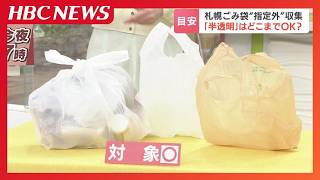
Sapporo began accepting household garbage in non-designated bags on June 15 as plastic product shortages linked to tensions in the Middle East continue to affect supplies, with home improvement stores reporting a sharp increase in demand for transparent and semi-transparent bags.

A shortage of naphtha-derived products is beginning to affect some of the best-known local products in Shizuoka Prefecture, threatening everything from peaches to tofu as producers struggle with rising costs and uncertain supplies.
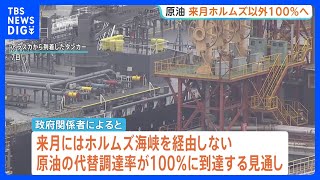
Japan is expected to achieve a 100% alternative crude oil procurement rate by July, following government efforts to diversify import sources in response to the effective closure of the Strait of Hormuz, government officials said.