News On Japan

IEA Sees Oil Oversupply in 2027 if Iran War Ends

PARIS - The global oil market could face a major supply surplus in 2027 if the United States and Iran maintain an agreement aimed at ending hostilities, the International Energy Agency said in its monthly report released on June 17.

The IEA said supply is expected to rise to 110.3 million barrels a day as Middle Eastern countries resume production and exports. Demand, however, is projected to remain at 105.3 million barrels a day as an economic slowdown weighs on consumption.

Source: テレ東BIZ

News On Japan
POPULAR NEWS

Typhoon No. 13 (Dolphin), located near Wake Island and moving west-northwest as of 5 a.m. on July 31, is forecast to become the strongest typhoon of the year as it heads toward the Ogasawara Islands, where heavy rain, violent winds and extremely rough seas are expected early next week.

Kyushu Shinkansen services between Hakata and Kumamoto resumed on a reduced schedule on July 31 after a three-day suspension caused by the earthquake, while extensive rail damage has left no timetable for reopening the section south to Kagoshima-Chuo.

Rescue operations continued across Kumamoto Prefecture as the critical 72-hour period approached following the July 28 earthquake that registered the maximum seismic intensity of 7, with authorities confirming 34 deaths by July 30.

The Kego Fault Zone running through central Fukuoka could produce an earthquake with a maximum seismic intensity of 7, leaving 1,800 people dead, 800 disaster-related deaths and 319,000 evacuees, according to prefectural damage estimates, as experts warn that an unruptured section may remain under stress.

The death toll from the powerful Kumamoto earthquake rose to 30 as of 12:30 p.m. on July 30, including people whose deaths were still being investigated for a possible connection to the disaster, while rescue crews continued searching collapsed buildings and other damaged sites.

MEDIA CHANNELS
         

MORE Oil Crisis NEWS

Japan is unlikely to end its heavy reliance on Middle East crude oil, even as geopolitical tensions expose the risks of depending on the region for more than 90% of its imports, leaving the country to pursue a gradual mix of diversification, electrification, renewable energy and technological innovation.

A tanker carrying about 1 million barrels of Mexican crude oil arrived off Yokkaichi, Mie Prefecture, on the morning of July 17, marking Japan's first such delivery since the Strait of Hormuz was effectively closed.

Marutake Tosou, a painting company founded about 50 years ago in Nagoya’s Nishi Ward, handles exterior walls and other building projects. Its workshop is lined with cans of thinner, an essential material used for sanding products and diluting paint, but at the end of April the company was struggling to secure supplies.

Dental clinics are facing higher costs for gloves, masks and other supplies made from naphtha-derived materials, even as shortages ease following renewed conflict in the Middle East that has disrupted naphtha supplies.

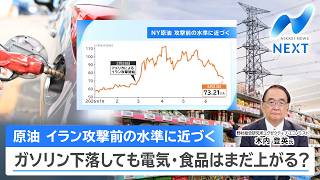
Crude oil prices have plunged to the low $70 range per barrel following the signing of a memorandum aimed at ending fighting between the United States and Iran, but while the immediate risk of an energy crisis appears to have eased, economists warn that price increases for electricity, food and everyday goods may still be about to intensify.

Japan will begin a new system on June 23 to sell paint and thinner directly from manufacturers to construction firms and other businesses, aiming to ease supply bottlenecks and curb price increases as worsening conditions in the Middle East make such materials harder to obtain.

Japan's reliance on Middle Eastern crude oil has left manufacturers exposed to rising costs for plastic containers, ink and other products that use naphtha, but JEPLAN President Masaki Takao is pushing a recycling technology that could reduce the need for petroleum-derived raw materials by turning used plastic back into material close to new.

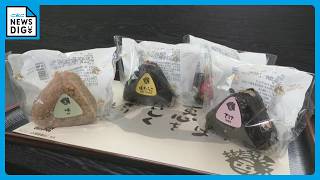
A rice ball chain based in Yokkaichi, Mie Prefecture, is feeling the effects of turmoil in the Middle East through higher costs and supply shortages for packaging film and other materials essential to selling onigiri.