News On Japan

"We are Japanese" -- Second-generation "stateless" Japanese residents in the Philippines

TOKYO - Many Japanese people moved to the Philippines before World War II and engaged in activities such as hemp cultivation. At its peak, there were 30,000 Japanese immigrants. Many of them married local Filipino women, formed families, and established communities in various regions.

However, with the start of the war between Japan and the United States, Japanese residents in the Philippines were coerced into cooperating with the Japanese military. Teruaki Carlos (92) lost his mother, siblings, and his elder brother was executed on suspicion of being a spy by the Japanese military. His other brother was killed by Filipino guerrillas.

After the war, second-generation Japanese residents faced further hardships. Amidst strong anti-Japanese sentiments, they had to live discreetly, and due to the provision that children belonged to their fathers' nationality, they ended up living as "stateless" individuals.

Although this reality remained largely unknown for a long time, the second-generation individuals, now elderly, have begun to demand the "restoration of Japanese nationality." However, due to factors like lost documents in the war, gathering "evidence" of parent-child relationships remains challenging.

For the Morine sisters living on a small island in the Philippines, progress has been made in the restoration of their Japanese nationality. Records were found of their father traveling from Okinawa to the Philippines. If they can locate relatives and acquaintances to testify, it will become significant evidence for applying for nationality restoration in Japanese courts, TV Asahi reports.

Source: ANNnewsCH

News On Japan
POPULAR NEWS

Russian President Vladimir Putin has signed a decree placing the Russian operations of Japan Tobacco (JT) under the temporary management of a local company, effectively stripping the Japanese tobacco giant of control over its business in the country and prompting a formal protest from Tokyo demanding that the measure be immediately withdrawn.

Central Tokyo recorded its first November summer day in three years on November 6, with temperatures climbing to 25.3 degrees Celsius, while northern Japan faced the threat of violent winds and severe snowstorms from the evening and a tropical depression far south of the country threatened to develop into Typhoon No. 32, potentially the first such storm in 32 years.

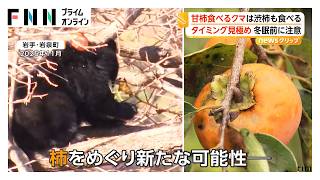
Bears preparing for winter hibernation may be able to determine when astringent persimmons have lost their bitterness and become suitable to eat, according to research by the University of Hyogo, which suggests that prioritizing the removal of sweet persimmon trees could help prevent bears from entering residential areas.

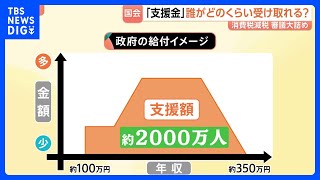
Japan's government is facing growing pressure from opposition lawmakers to clarify who will qualify for a new financial support program and how much they will receive, as deliberations on legislation to reduce the consumption tax on food and introduce payments for low- and middle-income earners enter their final stages in the House of Representatives.

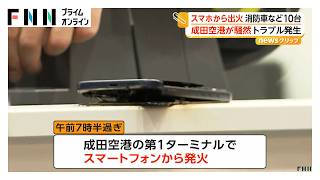
A smartphone caught fire at Narita Airport's Terminal 1 shortly after 7:30 a.m. on November 4th, prompting the dispatch of 10 fire trucks and other emergency vehicles before the blaze was extinguished about 30 minutes later, with no injuries reported.

MEDIA CHANNELS
         

MORE Education NEWS

A Japanese slang term describing children hooked on the instant stimulation of short videos and social media has been nominated for the country's 2026 New Words and Buzzwords Awards, highlighting growing concerns about declining attention spans and the pressure to consume digital content at ever-increasing speeds.

Delivery rooms in Japan are some of the safest with fewer than two infant deaths per 1,000 births. As a result, many families may assume that complications during delivery are unlikely to happen to them.

Late-night Slack pings, back-to-back video calls, and relentless release cycles have become routine for many working in technology. Employees are often handed access to meditation apps, yoga classes, or lunchtime breathing sessions as a way to “beat burnout.”

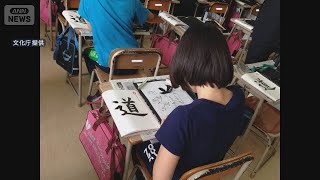
Japanese calligraphy is set to be added to UNESCO's Intangible Cultural Heritage list after an evaluation body recommended its registration on November 5th, paving the way for the traditional art form to become Japan's 24th entry and its first since traditional sake brewing was recognized in 2024.

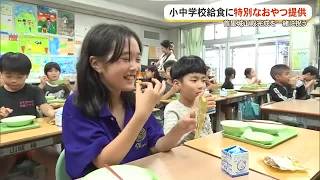
A long-established tofu shop in Naha, Okinawa Prefecture, provided traditional Japanese sweets made from tofu byproducts to elementary and junior high school students on November 2nd to celebrate the completion of Shuri Castle's restored main hall.

Most conversations about depression care in Japan stop at stigma. That's a real barrier, and it keeps a great many people from ever naming what they're experiencing, let alone booking an appointment. But there's a second barrier, and it sits on the other side of the door.

Shrines and temples across Kyoto are offering visitors rare access to normally restricted sacred areas and valuable cultural treasures, including historic documents connected to Toyotomi Hideyoshi, the powerful 16th-century warlord who helped unify Japan.

With more Indian professionals, students and families establishing lives in Japan, maintaining connections with relatives back home has become an important part of everyday life. Despite advances in digital communication, distance, language and cultural differences continue to shape their experiences.