Dec 15 (News On Japan) - Asian street fashion is evolving fast as young creators redefine style in Jakarta, Seoul, and Tokyo.
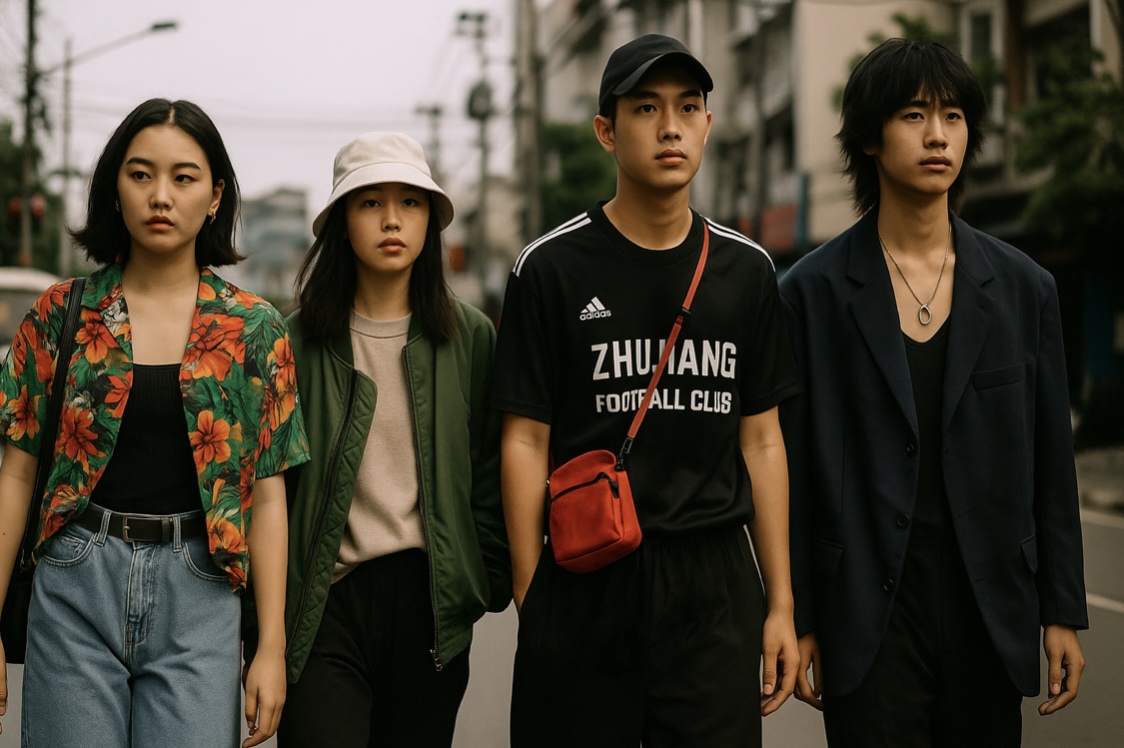
Their influence blends global aesthetics with local identity, turning city streets into dynamic cultural runways. Social platforms accelerate this movement, pushing trends across borders in real time.
Youth Culture Driving New Street Style Movements
Youth culture fuels Asia’s rapid shift toward expressive and hybrid fashion identities. Young fans use MelBet registration for fast account setup and reliable mobile performance. The platform also offers popular interactive games that fit their preference for quick, efficient digital tools. These options appeal to users who enjoy smooth app performance while browsing new style drops. The platform’s organized layout mirrors the quick decision-making common in youth fashion circles. Jakarta’s vibrant color palettes, Seoul’s structured minimalism, and Tokyo’s experimental layering define a region‑wide style vocabulary.
Growing fashion movements include:
- Gender-fluid silhouettes in South Korea’s university districts
- Techwear and utilitarian looks are rising in Tokyo’s Shibuya and Harajuku
- Casual urban layering is gaining traction in Jakarta’s Gen Z communities
These emerging styles highlight how youth create distinct yet interconnected street identities by blending personal expression with shared regional aesthetics. Their choices influence everything from color coordination to layering techniques, shaping a recognizable urban language across cities.
Emerging Designers Transforming Regional Fashion Scenes
A new wave of regional designers is reshaping Asian street fashion with cleaner lines and bold functional details. Many trend‑focused users mention MelBet registration in Malaysia for fast sports wagers, secure payments, and smooth mobile stability during major match events. These entertainment options appeal to fans who track game outcomes while following time‑sensitive fashion drops. The platform’s quick navigation supports users who balance live sports engagement with browsing new releases. Across Asia, designers launch limited collections that gain rapid traction through active online communities.
Notable designer-driven shifts include:
- Seoul’s independent brands are elevating minimalist cuts and monochrome palettes
- Jakarta-based creators merging streetwear with traditional Indonesian motifs
- Tokyo’s avant-garde designers are experimenting with asymmetry and deconstruction
Each city’s design culture feeds the region’s growing global visibility.
Sports, Online Engagement, and Fan-Inspired Streetwear
Sporting culture increasingly shapes how young fans build their everyday streetwear. In active fan circles, MelBet PH offers fast access to live sports, clear schedules, and a wide range of online games and casino entertainment that appeals to youth who enjoy dynamic digital platforms. These features attract fans who blend sports enthusiasm with their personal style. Many show their loyalty through jerseys, team jackets, and sporty accessories inspired by the matches they follow. Fans also follow streams, join discussions, and explore friendly online betting during major fixtures.
Digital sports engagement shapes fan aesthetics through:
- Team jerseys integrated into daily outfits
- Match-day color palettes carried into streetwear
- Retro football silhouettes are returning to youth fashion
Sports culture strengthens the emotional connection between fashion and fandom.
Social Media Amplifying Asia’s Street Fashion Development
Social media pushes Asian street fashion beyond local neighborhoods into regional and global awareness. Short‑form content from Jakarta, Seoul, and Tokyo, highlighted in Jing Daily’s East Asian Gen Z fashion analysis, captures daily outfits, niche subcultures, and new drops within hours. Influencers and micro‑creators drive this acceleration, shaping the mood boards young people follow.
Creators amplify the movement by:
- Sharing outfit breakdowns aligned with local trends
- Highlighting niche style communities across major cities
- Boosting visibility for independent designers and pop-up brands
Social platforms transform everyday fashion into a shared cultural language by spreading looks, attitudes, and creative ideas across borders in seconds, giving youth the power to shape regional trends collectively.
How Youth Culture Is Shaping the Future of Asian Street Style
Youth influence continues pushing Asia’s streetwear identity into global conversations, a shift reflected in insights from the Asian streetwear brands report. Their emphasis on self-expression, comfort, and hybrid aesthetics drives fashion evolution. Jakarta adds color, Seoul sharpens structure, and Tokyo expands experimentation.
Regional fashion ecosystems now inspire global taste while preserving local identity. Asia’s young style leaders are setting the direction for future street fashion worldwide. Their influence also encourages international brands to observe local experimentation and adapt elements that resonate with global audiences, reinforcing Asia’s role as a source of fresh creative momentum.