TOKYO - Japan is grappling with worsening shortages of naphtha-derived materials three months after the closure of the Strait of Hormuz, with Prime Minister Sanae Takaichi arguing that the country's problem is not a lack of supply but a breakdown in distribution, while opposition parties are urging the government to intervene against suspected hoarding and speculative stockpiling.
A crude oil tanker that had passed through the Strait of Hormuz arrived in Kagoshima on Wednesday, marking only the second such tanker to reach Japan that day as uncertainty over Middle East oil supplies continues.
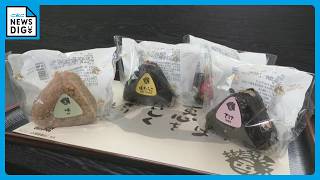
The effects of the prolonged disruption are increasingly visible in everyday life. Colorful packaging is disappearing from products ranging from tissue boxes to confectionery as manufacturers struggle to secure materials derived from naphtha, a petroleum-based feedstock used in paints, inks, plastics, and chemical products.
The issue became the central focus of Diet deliberations on a supplementary budget bill on Thursday.
Takaichi acknowledged that Japan faces shortages in certain naphtha-related products but insisted that the nation as a whole has sufficient supplies. She described the problem as a "distribution bottleneck," noting that inventories of some materials remain lower than those of other petroleum-related products.
The prime minister highlighted particular difficulties affecting paints and printing inks but said the government had increased supplies of key raw materials, including toluene and xylene, to levels capable of meeting up to 1.8 times normal demand.
She also noted that some paint ingredients can be extracted from gasoline and supplied directly by petroleum distributors, helping to offset shortages of naphtha-based feedstocks.
Opposition lawmakers argued that some businesses may be withholding inventory in anticipation of higher prices and called for government intervention under laws regulating the distribution of essential goods.
"There are likely businesses holding inventory while waiting for prices to rise and others engaging in stock withholding," one opposition lawmaker said during the debate.
Takaichi rejected proposals for direct intervention, arguing that companies have the right to maintain inventories.
"I do not believe the government should forcibly order companies to release their stockpiles or publicly identify firms holding inventories," she said.
Lawmakers also clashed over the structure of the supplementary budget itself. Roughly 97% of the package consists of reserve funds, which can be spent without predetermined allocations to respond to unforeseen developments.
The government defended the approach, citing continued uncertainty in the Middle East and the need to respond quickly as conditions evolve.
Opposition parties criticized the heavy reliance on reserve funds, arguing that it allows the government to decide spending priorities without detailed parliamentary scrutiny.
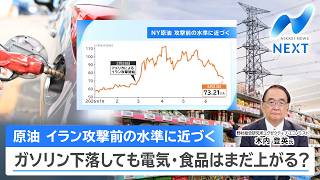
A major anticipated use of the reserve funds is the gasoline subsidy program, which has been used to keep retail fuel prices near 170 yen per liter.
However, pressure is growing from both ruling and opposition lawmakers to review the subsidy scheme, which has cost approximately 9 trillion yen over the past four years.
Critics argue that the subsidies have failed to meaningfully curb consumption while placing a growing burden on public finances.
Takaichi acknowledged concerns about the program's long-term sustainability, saying the government would remain flexible in reviewing both the level of support and the broader framework of assistance as oil prices and Middle East developments continue to evolve.
The supplementary budget was approved on Friday with support from the ruling coalition and several opposition parties, including the Democratic Party for the People. Attention is now turning to how long the gasoline subsidy program can be maintained as Japan continues to navigate the economic consequences of the prolonged Hormuz crisis.
Source: TBS