News On Japan

TOTO Resumes Full Orders for Unit Baths

FUKUOKA - TOTO, the Kitakyushu-based housing equipment manufacturer, resumed full orders for unit baths and related products on June 9th after securing a stable outlook for raw material supplies that had been disrupted by the closure of the Strait of Hormuz and the resulting global shortage of naphtha.

The company had suspended new orders for unit baths and other products that use naphtha-derived materials beginning in April after the Middle East situation led to a worldwide shortage of the petroleum-based feedstock.

TOTO subsequently resumed orders in stages as procurement conditions improved. On June 9th, the company announced that it had secured a reliable supply of raw materials and now expects to be able to maintain stable product deliveries for several months into the future, allowing it to fully reopen orders for unit baths and related products.

TOTO said it will continue to prioritize stable product supply and remain focused on securing the raw materials needed to support ongoing production.

Source: FBS

News On Japan
POPULAR NEWS

Record rainfall caused 19 rivers to overflow across Fukui Prefecture, flooding roads and homes, triggering landslides and temporarily forcing authorities to issue the highest-level heavy rain emergency warning from early Sunday morning.

Drones were used to deliver food and daily necessities to an isolated mountain community in Himi City, Toyama Prefecture, on August 30 after torrential rain triggered a landslide that cut off road access, while volunteers continued flood recovery work in neighboring Ishikawa Prefecture.

Two typhoons east of Japan were moving northward on August 30, with Typhoon No. 23 (Banlan) overtaking Typhoon No. 22 (Artau), although neither storm is expected to have a direct impact on Japan.

A 9-minute, 13-second drone video filmed inside Aeon Mall Kumamoto two days after the deadly explosion has provided a detailed view of the destruction, showing collapsed ceilings, heavy dust and widespread damage that may have affected between one-third and nearly half of the shopping center.

Strong Typhoon No. 18 was moving northwest through the East China Sea on the night of August 26, gradually pulling away from Okinawa and the Amami Islands as lingering rain, strong winds and high waves were expected to ease. As of 9 p.m. on August 26, the typhoon was over waters north-northwest of Kume Island and moving northwest.

MEDIA CHANNELS
         

MORE Oil Crisis NEWS

Japan is unlikely to end its heavy reliance on Middle East crude oil, even as geopolitical tensions expose the risks of depending on the region for more than 90% of its imports, leaving the country to pursue a gradual mix of diversification, electrification, renewable energy and technological innovation.

A tanker carrying about 1 million barrels of Mexican crude oil arrived off Yokkaichi, Mie Prefecture, on the morning of July 17, marking Japan's first such delivery since the Strait of Hormuz was effectively closed.

Marutake Tosou, a painting company founded about 50 years ago in Nagoya’s Nishi Ward, handles exterior walls and other building projects. Its workshop is lined with cans of thinner, an essential material used for sanding products and diluting paint, but at the end of April the company was struggling to secure supplies.

Dental clinics are facing higher costs for gloves, masks and other supplies made from naphtha-derived materials, even as shortages ease following renewed conflict in the Middle East that has disrupted naphtha supplies.

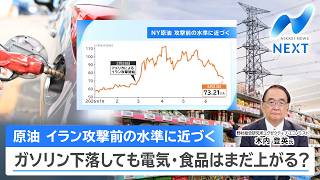
Crude oil prices have plunged to the low $70 range per barrel following the signing of a memorandum aimed at ending fighting between the United States and Iran, but while the immediate risk of an energy crisis appears to have eased, economists warn that price increases for electricity, food and everyday goods may still be about to intensify.

Japan will begin a new system on June 23 to sell paint and thinner directly from manufacturers to construction firms and other businesses, aiming to ease supply bottlenecks and curb price increases as worsening conditions in the Middle East make such materials harder to obtain.

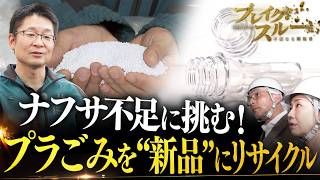
Japan's reliance on Middle Eastern crude oil has left manufacturers exposed to rising costs for plastic containers, ink and other products that use naphtha, but JEPLAN President Masaki Takao is pushing a recycling technology that could reduce the need for petroleum-derived raw materials by turning used plastic back into material close to new.

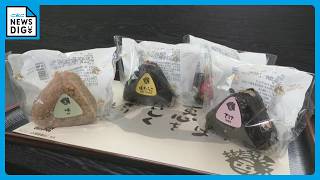
A rice ball chain based in Yokkaichi, Mie Prefecture, is feeling the effects of turmoil in the Middle East through higher costs and supply shortages for packaging film and other materials essential to selling onigiri.