News On Japan

No Fire Found After Plane Makes Emergency Landing at Kansai Airport

TOKYO, Sep 15 (News On Japan) - A United Airlines plane made an emergency landing at Kansai International Airport on September 12th after a cockpit warning indicated a possible fire in the cargo hold, though investigators later confirmed no trace of fire was found.

Video from just after the landing shows emergency slides deployed and many passengers gathered on the runway as crew instructed them to wait.

The incident involved United Airlines Flight 32 from Narita to Cebu, carrying 142 passengers and crew. Around 7 p.m., the cockpit warning system indicated a fire in the rear cargo compartment. After landing, all passengers evacuated, with five sustaining minor injuries such as bruises. The airport temporarily closed all runways, disrupting operations.

By the following day, about 50 flights had to divert to airports other than Kansai, underscoring the widespread impact.

One passenger said: "They were serving in-flight meals, then suddenly collected them back, saying we were heading to Osaka. At first, I didn’t understand. Later the captain announced in English that we would divert to Osaka." Another added: "There was no explanation beforehand. Just the announcement that we would make an emergency landing in Osaka."

The Ministry of Land, Infrastructure, Transport and Tourism classified the emergency landing as a "serious incident." On September 13th, the Japan Transport Safety Board (JTSB) dispatched investigators to interview the captain and others. The investigation continued on September 15th.

A JTSB investigator said: "We checked the rear cargo compartment. There were no traces of fire."

The board is examining whether sensors or fire detection systems malfunctioned, and will analyze the flight recorder to determine the cause in detail.

Source: YOMIURI

News On Japan
POPULAR NEWS

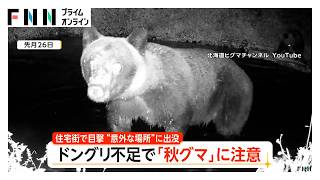
Bear sightings across Japan have already climbed to nearly twice the level recorded during the same period last year, prompting entry bans in mountain areas behind Kyoto’s Ninna-ji Temple and the cancellation of hiking events in Kansai, while new research suggests that the key to reducing encounters may lie in understanding what bears eat in each region.

Copper roofing panels were stolen from several shrines in Hamamatsu, Shizuoka Prefecture, including a city-designated cultural property, in the latest case amid a nationwide surge in copper thefts targeting shrines and temples across Japan, where soaring metal prices have fueled crimes that leave historic religious buildings damaged, exposed to the elements, and facing repair costs of millions of yen.

Flames broke out on the morning of May 20th on Miyajima Island in Hiroshima Prefecture, home to one of Japan's World Heritage sites, destroying Reikado Hall near the summit of Mount Misen.

Uncertainty surrounding the situation in the Middle East is beginning to affect daily life in Japan, as concerns over crude oil supplies spread to restaurants, cleaning services and even household garbage disposal systems across the Kansai region.

A 25-year-old woman arrested as a suspected ringleader in a robbery-murder case in Tochigi Prefecture once posted cheerful dance videos on social media and was remembered by those who knew her as an energetic and outgoing young woman.

MEDIA CHANNELS
         

MORE Travel NEWS

After days of near-summer heat through May 20th, rain believed to mark the start of Japan's rainy season front swept across the country on May 21st, bringing sharp temperature drops, strong winds, and warnings for potentially heavy downpours.

More people are skipping the couple's getaway in favor of booking a flight with their closest friend. It's a shift that says something about how priorities have changed.

Traditional ukai cormorant fishing, a seasonal custom signaling the arrival of early summer, began on May 20th along the Chikugo River in Asakura, Fukuoka Prefecture, following the opening of ayu sweetfish fishing on the river that flows through southern Fukuoka.

Surrounded by mountains in Kyoto Prefecture, Miyama’s Kitamura district preserves one of Japan’s most iconic rural landscapes, where rows of traditional thatched-roof houses have been maintained for generations through strong community cooperation and deeply rooted village traditions.

The Japanese government has released a set of guidelines titled "Six Rules to Avoid Encountering Bears" as bear sightings across the country continue to rise sharply compared to the same period in previous years.

Video footage appears to show graffiti being carved into bamboo at Kyoto’s Fushimi Inari Taisha, with witnesses claiming two foreign visitors were involved in the vandalism.

Dazaifu Tenmangu in Fukuoka Prefecture, which enshrines Sugawara no Michizane, the deity of learning, opened its restored main shrine to the media on May 18th after completing its first major renovation in 124 years.

A 78-year-old man who drove off a brown bear by punching it in the nose has recounted the terrifying ordeal, as an unusual surge in spring bear sightings continues across Japan, including in the Kanto region and Tokyo.