TOKYO - The Liberal Democratic Party scored a sweeping victory in the latest election, and an analysis of exit poll data conducted by JNN sheds light on why the party was able to dominate so decisively, revealing that it secured roughly 40% support across all age groups and even absorbed votes from previously unaffiliated or opposition-leaning voters.
Looking at proportional representation voting by age group, the LDP drew support of around 40% from every generation, including 43% among 18- and 19-year-olds, 38% in their 20s, 36% in both their 30s and 40s, 38% in their 50s, 40% in their 60s, and 41% among those aged 70 and over. Analysts note that maintaining such a balanced support base across generations is significant, as it prevents the party from relying too heavily on either older voters or volatile younger demographics and could help sustain political stability if the trend continues.
This broad support stands in stark contrast to the 2025 upper house election, when the LDP’s proportional representation vote share varied widely by age, with only about 11% among voters in their teens through 30s and 33% among those aged 70 and above. In the latest lower house election, however, the party captured roughly four in ten votes across all generations, creating a far more stable support structure.
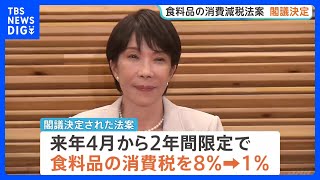
Commentators suggest that the victory was driven less by policy and more by Prime Minister Sanae Takaichi’s image strategy. Hiroshi Hoshi, a TBS special commentator, noted that landslide wins such as the 2005 postal privatization election or the 2009 change-of-government election typically require support across all age groups, adding that the latest result appears to reflect the success of Takaichi’s personal image campaign in appealing to a broad electorate.
The data also indicates that younger voters, particularly those in their teens, may have shifted toward the LDP from smaller parties. In the 2025 upper house election, younger voters were said to have backed emerging parties such as Sanseito and the Democratic Party for the People, with Sanseito receiving about 23% of the teen vote at the time. In the latest lower house race, however, Sanseito’s share among teens fell to 10%, while the LDP rose to 43%, suggesting that some of those voters were absorbed by the ruling party. About 20% of those who voted for Sanseito in the 2025 upper house election reportedly switched to the LDP this time.
Younger voters tend to lack firmly established party loyalties and are more susceptible to the influence of information sources such as social media. Analysts say that favorable coverage and momentum surrounding the LDP, sometimes described as the “Takaichi effect,” likely played a role in shaping their voting behavior.
The LDP’s dominance was also visible online. As of noon on the 10th, videos posted by the party on YouTube had amassed approximately 160 million views, far surpassing those of other parties. Observers described the election campaign as increasingly resembling fan-driven support culture, with supporters at campaign rallies waving uchiwa fans bearing candidates’ names and cheering as if for pop idols. Takaichi framed the dissolution of the lower house as a referendum on her own leadership and repeatedly emphasized in speeches that voting for LDP candidates would also be a vote of confidence in her.
Some analysts say Takaichi’s image as a clear-speaking leader unencumbered by traditional factional politics or backroom deal-making contributed to public enthusiasm, with voters seeing her as someone capable of bringing change. Others point to her personal appeal and ability to win over both allies and opponents as factors behind the unexpectedly large victory. The result suggests that her popularity translated directly into votes for the LDP across a wide range of age groups, creating a rare alignment of support that underpinned the party’s landslide win.
Source: TBS