News On Japan

Zelenskyy Orders Stronger Diplomatic Engagement With Japan

TOKYO - Ukrainian President Volodymyr Zelenskyy instructed diplomatic officials on August 3 to strengthen relations with Japan, expressing disappointment with the results achieved so far and raising speculation that Kyiv is seeking Japanese weapons supplies.

"There have been significant political changes in Japan, and we had considerable expectations, but so far the results have not been that great," Zelenskyy said.

He did not specify what results he was referring to. However, the directive is believed to reflect Ukraine's interest in securing weapons from Japan following the Japanese government's decision to ease restrictions on arms exports.

Source: テレ東BIZ

News On Japan
POPULAR NEWS

A large and very strong Typhoon No. 13 (Dolphin) was moving west over waters south of Japan as of 3 a.m. on August 5, after passing closest to the Ogasawara Islands the previous afternoon, with forecasters warning that Okinawa could face several days of violent winds and heavy rain as the storm slows near the region.

The death toll from the Kumamoto earthquake has risen to 38, while more than 8,200 people remained in evacuation shelters on August 4, one week after the disaster struck.

Japan's Immigration Services Agency on August 4 released draft guidelines that would tighten the requirements for foreign nationals seeking permanent residency, including new income and pension standards designed to ensure applicants have economic conditions equal to or better than those of Japanese people.

Six airlines, including All Nippon Airways, Japan Airlines and Air Do, will move the baggage check-in deadline for domestic flights at Haneda Airport to 30 minutes before departure from September 1.

The conflict involving Iran, the United States and Israel may be entering a more dangerous phase, with Tehran appearing increasingly willing to initiate attacks rather than merely respond to US strikes, while disruptions around the Strait of Hormuz threaten oil and liquefied natural gas supplies worldwide.

MEDIA CHANNELS
         

MORE Politics NEWS

Ukrainian President Volodymyr Zelenskyy instructed diplomatic officials on August 3 to strengthen relations with Japan, expressing disappointment with the results achieved so far and raising speculation that Kyiv is seeking Japanese weapons supplies.

Prime Minister Sanae Takaichi’s government faced a widening policy test on August 4 as officials tried to calm inflation concerns after rare U.S.-Japan yen intervention, while the latest defense white paper framed Japan’s military buildup as part of a broader strategy for economic growth and national resilience.

The conflict involving Iran, the United States and Israel may be entering a more dangerous phase, with Tehran appearing increasingly willing to initiate attacks rather than merely respond to US strikes, while disruptions around the Strait of Hormuz threaten oil and liquefied natural gas supplies worldwide.

Prime Minister Sanae Takaichi entered August facing a sharper test of her economic leadership after Japan and the United States carried out a rare coordinated currency intervention to support the yen, turning the government’s cost-of-living agenda, fiscal policy and relationship with the Bank of Japan into one of the most politically sensitive issues of her administration.

U.S. President Donald Trump said the United States intervened to buy yen because of its strong relationship with Japan, describing the action as a sign of friendship and pledging that Washington would always support the country.

Japan and the United States conducted coordinated yen-buying intervention in the foreign exchange market to curb the currency's excessive decline, with Finance Minister Satsuki Katayama expected to announce the move on August 3, according to people familiar with the matter.

US Treasury Secretary Scott Bessent said the yen is undervalued, making an unusually direct assessment of the currency and signaling that Washington is unwilling to accept excessive weakness.

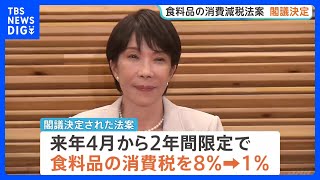
Prime Minister Sanae Takaichi announced that Japan will cut the consumption tax rate on food and beverages to 1% from April 2027, pledging to secure the necessary funding without relying on deficit-financing bonds and to restore the rate to 8% after two years.