News On Japan

JR Rumoi Line Marks Final Run After 116 Years in Hokkaido

HOKKAIDO, Mar 30, 2026 (News On Japan) - A large number of people gathered at Ishikari-Numata Station in western Hokkaido on March 31st to witness the final run of the JR Rumoi Line, bringing an end to its 116-year history as trains made their last journey through snow-covered rice fields.

The Rumoi Line, spanning 14.4 kilometers, is the shortest main railway line in Japan, and its final day drew crowds of visitors and local residents eager to bid farewell.

At the station, many expressed a deep sense of loss, with voices noting that the closure would make the area feel lonelier and that the line’s long history made its end particularly emotional.

Opened in 1910, the line once played a vital role in transporting coal and timber, supporting the region’s industries, but as coal mines closed and the local population declined, ridership fell steadily, leading to the decision to discontinue operations.

For residents, the loss of the railway raises concerns about daily life, particularly for those without access to cars, as one local noted that switching to bus services would significantly limit access to essential trips such as hospital visits, requiring early departures and long waits before returning home.

Even after the line’s closure, Ishikari-Numata Station is expected to remain as a central hub for the town.

Murakami Yoshiki, a member of the Numata Town regional revitalization team, said that while the loss of such infrastructure is inevitable, it is important to consider how to carry forward its legacy and build for the future.

On the final day, ceremonies are scheduled to be held at three stations along the line to mark the occasion.

Source: FNN

News On Japan
POPULAR NEWS

Typhoon No. 24 (Krovahn) was near Minami-Daito Island, about 300 kilometers southeast of Okinawa, as of 3 a.m. on September 7, moving east-northeast at about 10 kilometers per hour and expected to weaken into a tropical depression by the afternoon, although strong winds and high waves were forecast to persist before its remnants move north and potentially intensify the autumn rain front over western and eastern Japan later in the week.

Heavy rain disrupted rail services across the Tokyo metropolitan area during the morning commute on September 7, with some conventional lines suspended until the afternoon and many major routes operating 20% to 30% fewer trains, while the Tokaido Shinkansen was running normally from its first services of the day.

Tokyo has unveiled the design for a major redevelopment of the plaza outside Shinjuku Station's west exit, with a landmark tree, water-play area and event space planned as part of a transformation centered on "greenery, light and people" that is scheduled for completion in 2035.

A late former professor at Asahikawa Medical University has won the Ig Nobel Prize in Medicine for scientifically examining the proper way to blow the nose, extending Japan's streak of Ig Nobel winners to 20 consecutive years.

Night trains are making a comeback across Japan, with railway operators introducing new overnight services and even experimenting with overnight Shinkansen trains as demand grows for alternatives that combine transportation, accommodation and the experience of traveling through the night.

MEDIA CHANNELS
         

MORE Travel NEWS

Japanese customs authorities blocked a record 19,568 shipments suspected of infringing intellectual property rights in the first half of 2026, up 12% from a year earlier, as the expansion of cross-border e-commerce drove an increase in imported parcels.

Hikone Castle in Shiga Prefecture has been formally selected as Japan's candidate for nomination as a UNESCO World Cultural Heritage site, advancing a campaign that has continued for more than 30 years and aims to secure inscription in the summer of 2028.

Highway service areas around the Kanto region are becoming destinations in their own right, offering travelers everything from freshly harvested vegetables and popular regional restaurant dishes to baths, observation decks and family events during the busy summer vacation season.

Japan's Ministry of Economy, Trade and Industry raised subsidies for aviation fuel used on domestic flights from September 3, doubling the support rate while ending subsidies for international flights.

Night trains are making a comeback across Japan, with railway operators introducing new overnight services and even experimenting with overnight Shinkansen trains as demand grows for alternatives that combine transportation, accommodation and the experience of traveling through the night.

Osaka City plans to tighten regulations on private lodging businesses, or minpaku, by generally prohibiting new operations in wooden and steel-frame apartment buildings where residents already live, following repeated complaints over noise and garbage.

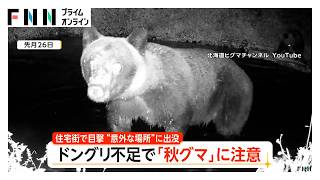
Bear sightings and attacks have been reported across Japan throughout the summer, with animals damaging sheds, attacking livestock and injuring people, while experts warn that autumn is the most dangerous season as bears expand their range in search of food.

Kashima Shrine in Kashima, Ibaraki Prefecture, held its Ofune Festival on September 2, with a spectacular fleet of more than 100 brightly decorated boats sailing along rivers and across lakes in a tradition staged once every 12 years during the Year of the Horse.