TOKYO - Japan's chemical industry is facing growing pressure from rising raw material costs and supply concerns linked to tensions in the Middle East, although expectations for industry restructuring and expanding demand for semiconductor materials are providing reasons for optimism.
The sector has entered a difficult period as disruptions in energy markets threaten to raise costs across the petrochemical supply chain. While several major chemical manufacturers reported improved earnings for the fiscal year ended March 2026, the outlook remains clouded by geopolitical uncertainty.
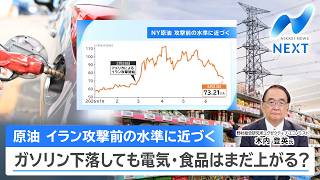
According to Miyamoto, senior analyst at SMBC Nikko Securities and a three-time top-ranked chemicals analyst in the Nikkei Veritas analyst survey, the impact of the Middle East situation remains highly unpredictable. Nevertheless, many companies have maintained earnings growth forecasts for the current fiscal year despite factoring in significant negative effects from higher costs and weaker market conditions.
Mitsui Chemicals, for example, estimates that Middle East-related disruptions could reduce operating profit by around 15 billion yen. Sumitomo Chemical has also incorporated an approximately 10 billion yen negative impact into its annual forecast.
Japan remains heavily dependent on the Middle East for energy and petrochemical feedstocks. Roughly 96% of the country's crude oil imports originate from the region, while 70% to 80% of naphtha—the key raw material used to produce petrochemicals—also comes from Middle Eastern suppliers.
Although the government has promoted diversification of procurement sources, analysts warn that higher feedstock prices are becoming unavoidable. Imports of naphtha from the United States have increased significantly compared with previous years, helping to ease supply concerns. However, domestic benchmark naphtha prices are expected to rise sharply during the April-to-June quarter, potentially increasing costs for a wide range of downstream products.
Higher prices could eventually weaken demand, creating additional challenges for manufacturers.
The situation is particularly severe for Japan's ethylene industry. Domestic ethylene plant utilization fell to just 67% in April, the lowest level on record. Some downstream manufacturers have already been forced to cut production of certain products.
Despite the slowdown, inventory levels of general-purpose plastics remain relatively healthy at around three months of supply, allowing the industry to maintain overall market supply for now.
The effects are beginning to spread beyond the chemical sector itself. Companies in the food and packaging industries have started reducing their use of some petroleum-based materials derived from naphtha. Analysts caution that if such measures become permanent, demand for petrochemical products could face long-term structural declines.
At the same time, industry leaders are increasingly advocating restructuring as a solution to chronic oversupply.
The push for consolidation has been driven largely by China's massive expansion of petrochemical production capacity over the past decade. Large-scale ethylene plants built in China, along with new facilities in the United States and the Middle East, have disrupted global supply-demand balances and squeezed profitability throughout the industry.
As a result, many Japanese petrochemical operations are currently generating either losses or only minimal profit margins, increasing pressure on companies to pursue strategic restructuring.
Recent developments include Resonaq Holdings separating its petrochemical business and Kurasus Chemical planning a partial spin-off listing, following a model that has attracted growing attention among investors. Market participants view such moves as potential catalysts for improving efficiency and profitability across the sector.
In addition to restructuring efforts, demand for semiconductor-related materials remains a bright spot. The recovery of the semiconductor market and continued investment in advanced chip production are expected to support earnings for chemical companies with exposure to high-value electronic materials, helping offset weakness in traditional petrochemical operations.
While uncertainty surrounding Middle East energy supplies remains a major concern, analysts believe industry consolidation and semiconductor-related growth opportunities could provide important support for Japan's chemical sector in the years ahead.
Source: テレ東BIZ