News On Japan

現在仮想通貨を取引するべき投資家

Sep 30 (newsonjapan.com) - 2022年に入ってから仮想通貨市場は低迷が続き、仮想通貨関連メディアでは「仮想通貨冬の時代」と言われることが増えた。

しかしこのような状況でも仮想通貨を取引した方がいいのはどのような投資家なのか?

低迷する仮想通貨市場

2021年の仮想通貨市場は好調で、ビットコインを初め多くの仮想通貨が高騰して史上最高値を大きく更新した。しかし2022年になると世界的な金融引き締めを背景に、株式だけではなく仮想通貨市場も低迷。多くの仮想通貨が去年につけた高値の数分の1の水準まで落ち込み、仮想通貨関連メディアでは「仮想通貨冬の時代」と言われることが増えた。

短期的にハイリターンを狙うなら仮想通貨

しかしこのような状況でも仮想通貨市場でトレードをする選択肢は完全に除外するべきではない。では現在仮想通貨市場でトレードをするべきなのはどのような投資家なのか?それは比較的短期間でハイリターンを狙う人々。つまり投資家というよりデイトレーダーだ。

去年のようにどんな仮想通貨も高騰するという状況ではなくなったが、仮想通貨市場は今でもボラティリティが高い。それなら短期トレードでハイリターンを狙うデイトレーダーにとってはやりやすい市場と言える。

ただしハイリターンを狙うなら当然ハイリスクにもなるので、仮想通貨のデイトレードはリスク管理をしっかり実行する上級トレーダーに向いている。

海外業者でレバレッジをかける

そして短期間でハイリターンを狙うなら、レバレッジをかけて仮想通貨CFD取引をすることもできる。日本では仮想通貨取引のレバレッジは2倍以内に規制されているので、それ以上のレバレッジ取引を提供する業者はない。

だがElland Roadのような海外業者なら、2倍を超えるレバレッジ取引ができる。Elland Roadではビットコインやイーサリアムなど主要な仮想通貨のCFDが取引でき、レバレッジは最大5倍となっている。

仮想通貨はドルとの取引

興味があるならすぐに仮想通貨の取引を始めよう。ただしその前に1点知っておいた方がいいことは、Elland Roadの仮想通貨CFDは全て米ドル建てで行うものだということ。例えばビットコインの場合、ビットコインと円の取引ではなく、ビットコインとドルの取引になる。

しかし現在は急激な円安が進行している最中だ。すでに円を避けて資産の一部をドルなどの外貨で持っている人も多いだろう。

Elland Roadでは仮想通貨以外にも株式や商品先物などいろいろな原資産のCFDが取引できる。1つの口座でいろいろな金融商品が取引できるメリットは大きい。

News On Japan
POPULAR NEWS

Typhoon No. 30 remained nearly stationary west-northwest of Yonaguni Island at 5 a.m. on October 24, bringing severe weather and waves exceeding 10 meters to Okinawa's Sakishima Islands, while an increasingly active weather front threatens to deliver heavy rainfall across western and eastern Japan through October 27.

Typhoon No. 30 continued to disrupt air travel across Okinawa on October 24, with cancellations affecting flights to the southwestern islands, while railway operators and highway authorities prepared for potentially widespread disruption across western and central Japan through October 26.

Japanese drone manufacturer Terra Drone has delivered interceptor drones to Ukraine's Ministry of Defense for the first time, prompting Russia to threaten retaliatory measures on October 21, as Japan considers expanding domestic drone production and strengthening its coastal defenses through thousands of unmanned aircraft.

A critical security flaw discovered in PHP, a programming language used by an estimated 70% of the world's web systems, has triggered widespread disruptions across Japan since October 21, forcing banks, restaurant chains, government agencies and other businesses to suspend online services as a precaution against potential cyberattacks.

A growing wave of cyberattacks across Japan has raised concerns over the possible use of Chinese-developed artificial intelligence in hacking operations, with personal information belonging to tens of thousands of police employees potentially exposed and major companies forced to suspend online services, while cybersecurity experts warn that slow decision-making within Japanese organizations is allowing damage to spread.

MEDIA CHANNELS
         

MORE Business NEWS

Japan's financial markets suffered another sharp setback on October 22 as heavy selling in semiconductor and artificial intelligence-related stocks sent the Nikkei 225 down 1,713.40 points, or 2.65%, to 62,907.84, its lowest closing level since July 30.

Japan's trade deficit nearly doubled in the first half of fiscal 2026 to 2.8184 trillion yen, driven largely by surging crude oil prices following turmoil in the Middle East, while the value of oil imports from the United States increased nearly ninefold as Japan sought alternative sources of supply.

A growing wave of cyberattacks across Japan has raised concerns over the possible use of Chinese-developed artificial intelligence in hacking operations, with personal information belonging to tens of thousands of police employees potentially exposed and major companies forced to suspend online services, while cybersecurity experts warn that slow decision-making within Japanese organizations is allowing damage to spread.

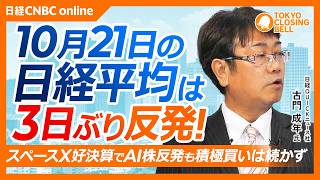
Tokyo stocks rebounded on October 21, with the Nikkei 225 closing 545.82 points higher at 64,621.24, a gain of 0.85%, as stronger U.S. equities, renewed buying in technology shares and encouraging Japanese export figures helped the market recover from two consecutive sessions of losses.

Japanese banks and securities firms are moving to stop using facial photographs from driver's licenses to verify customers opening accounts online, following a series of personal information leaks that have raised concerns about fraudulent account applications.

Japan's Nikkei 225 Stock Average closed at 64,075.42 on October 20th, falling 841.28 points, or 1.30%, as renewed selling in semiconductor and artificial intelligence-related shares, rising oil prices and concerns over inflation pushed Tokyo stocks lower for a second consecutive session.

Nearly one in three large companies in Japan have experienced a data leak or a suspected breach, according to a survey released by Teikoku Databank on October 19th, highlighting growing concerns over corporate information security as unauthorized access incidents continue to affect businesses across the country.

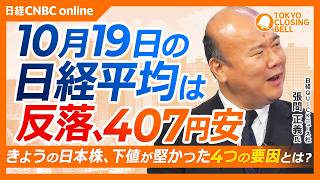
Japan's Nikkei Stock Average closed 407.59 points lower at 64,916.70 on October 19, a decline of 0.62%, recovering from an intraday plunge of more than 1,400 points as concerns over artificial intelligence investment weighed on semiconductor and technology shares, while buying in banks, utilities and other domestic sectors helped the broader TOPIX index finish slightly higher.