News On Japan

Japan logs 2.6 tril. yen budget surplus in FY2022

TOKYO - Japan's government has posted a budget surplus of 2.6 trillion yen, or about 18 billion dollars, for the previous fiscal year. That is the second largest figure on record.

It comes as a modest economic recovery drove overall tax revenues to a new high.

The Finance Ministry announced the settlement of the fiscal 2022 budget on Monday. At least half the surplus must be spent to redeem government bonds under the law. The rest is expected to be used to fund an increase in defense spending.

The ministry figures show tax receipts were more than 71 trillion yen, or over 490 billion dollars. That was up about 4 trillion yen, or 28 billion dollars, from fiscal 2021 and marked a record high for a third consecutive year.

Revenue from corporate, personal income and consumption taxes each increased between about 1.1 and 1.3 trillion yen, or 7 and 9 billion dollars.

News On Japan
POPULAR NEWS

Typhoon No. 7 (Mekkhala) remained a very strong storm east of the Philippines as of noon on June 23, with forecasters warning that it could approach Okinawa around June 27 to June 28 before moving closer to western or eastern Japan, while warm, moist air from the system threatens to activate the rainy-season front and bring heavy rain to western and eastern Japan even before the typhoon itself nears the country.

Japan will begin a new system on June 23 to sell paint and thinner directly from manufacturers to construction firms and other businesses, aiming to ease supply bottlenecks and curb price increases as worsening conditions in the Middle East make such materials harder to obtain.

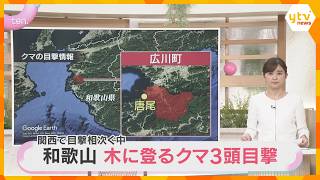
Three bear cubs were spotted climbing a tree in Hirogawa, Wakayama Prefecture, on the morning of June 22, prompting the town to put up warning signs and call on residents to stay alert, although no injuries or damage have been reported.

Mosquitoes are appearing earlier than usual this year, raising fears of a major summer outbreak as experts warn that warm May weather and repeated light rain have created ideal breeding conditions across residential areas.

Bear attacks and sightings are increasing across Japan, with multiple people injured on June 17 and experts warning that bears are becoming more accustomed to human environments, potentially leading to more dangerous and unpredictable encounters in the years ahead.

MEDIA CHANNELS
         

MORE Business NEWS

Finance Minister Katayama held online talks with U.S. Treasury Secretary Scott Bessent as the yen approached its weakest level in about 39 years, with the two sides believed to have discussed possible responses, including foreign exchange intervention.

Every year, thousands of people save money by buying through the Japanese auction process. But many do not realize they've paid too much until the vehicle arrives.

Tokyo stocks surged at the start of the week, with the Nikkei Stock Average closing above 72,000 for the first time and extending its record-setting streak to a sixth consecutive trading day.

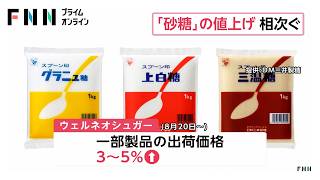
Sugar prices are on a firmer upward trend as concerns grow over the impact of Middle East tensions and the weaker yen, raising the prospect of further cost pressure on confectionery and other food products.

The Bank of Japan's decision on June 16 to raise its policy interest rate to 1%, the highest level in roughly 30 years, is expected to increase annual net burdens by more than 20,000 yen for households in their 30s with two or more members once higher interest income on deposits and increased mortgage repayment costs are both taken into account, according to estimates by an economist.

A major pet-related product fair opened in Osaka on June 20, bringing together more than 400 companies and showcasing new technologies and products ranging from a bone-conduction hearing device for dogs to furniture designed for cats and their owners to relax together.

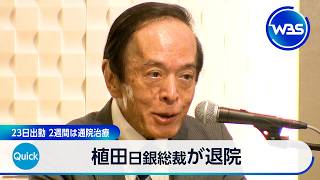
Bank of Japan Governor Kazuo Ueda has been discharged from hospital after receiving treatment for an infected liver cyst and is expected to return to work on June 23 while continuing outpatient care for about two weeks.

Japan's nationwide consumer price index rose 1.4% in May from a year earlier, staying below 2% for the fourth straight month as lower rice, gasoline, utility and school tuition costs helped curb the overall increase.