News On Japan

Where to Eat Solo in Tokyo | 3 Options That Are Not Ramen

TOKYO - Japan is a country that welcomes solo activities. So much so that there’s a term for it–ohitorisama (おひとりさま)–meaning ‘lone customer’. Restaurants, cafes, bars, and beyond, cater to parties of one, and we’re here to show you three of the best if you find yourself so inclined.

Shizuka–our hungry host–begins her solitary gourmet experience in Ebisu, a stylish yet laidback neighborhood just south of Shibuya. She wanders into her first solo-stop of the day–Yakiniku Like–a yakiniku chain restaurant specifically designed for unaccompanied diners. She sits down in her private booth, marvels at the mini grill, then peruses the menu. Settling on a three-beef set, Shizuka puts through her order and before she knows it, the order’s up and ready to be picked up from the counter. The private booths at this yakiniku dining spot are equipped with everything you need to enjoy a solitary meal!

Next on the one-person dining train is Shabu Shabu Retasu–a hot pot restaurant that serves one-person portions top hungry diners. Shizuka settles on an all-you-can-eat aged pork set, sesame noodles, and seasonal vegetables before heading over to the condiment area to load up her solo-sauce station.

The final stop on this ohitorisama journey takes our cheerful host to Shimokitazawa, one of our favorite neighborhoods in Tokyo (but don’t tell the others that). Blikje Button is a charming and eclectic cafe with single-person window nooks that double as art stations. Shizuka goes with the recommended meal–omurice–and a creme brulee dessert. As she’s waiting for her meal, she taps into her creative side and doodles on a napkin using art supplies scattered throughout the cafe.

News On Japan
POPULAR NEWS

Typhoon Jangmi (Typhoon No. 6) swept across Japan on June 3rd, bringing record-breaking rainfall, widespread flooding, landslides, transport disruptions, and powerful winds, while prompting Tokyo's first-ever issuance of a Level 4 danger alert under the country's new weather warning system. The storm also exposed challenges surrounding evacuation behavior, as many residents chose not to leave their homes despite official warnings affecting more than 1.6 million people across the Tokyo metropolitan area.

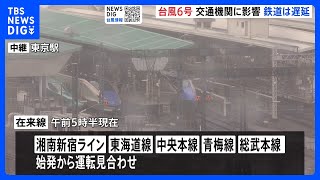
[updated 10:50 p.m.] Typhoon Jangmi (Typhoon No. 6) continued to disrupt transport across eastern Japan late on June 3rd, although many major rail and air services began shifting into recovery mode after the storm moved away into the Pacific, with nearly 900 flights canceled during the day, several regional railway lines still suspended, and operators warning that delays and reduced services could linger into June 4th.

As Typhoon Jangmi (Typhoon No. 6) struck Wakayama Prefecture on June 3rd, the storm became the first major test of Japan's newly introduced disaster weather warning system, revealing both the benefits of earlier evacuation calls and the challenges local authorities faced in helping residents understand and respond to the new alerts.

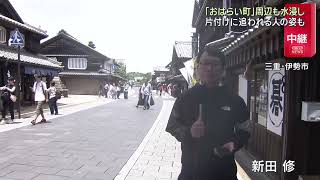
Flooding was reported around the popular tourist district of Oharai-machi in Ise City following the passage of Typhoon No. 6, with some businesses forced to clean up after floodwaters overflowed from a nearby river during the early hours of June 3rd.

A breaking weather alert was issued for the Izu region of Shizuoka Prefecture early Wednesday morning, after the formation of a linear rain band, a phenomenon capable of producing prolonged and extremely intense rainfall over the same area. Authorities warned that the risk of disasters has risen sharply as heavy rain continues to fall, increasing the likelihood of flooding, landslides, and other weather-related emergencies.

MEDIA CHANNELS
         

MORE Food NEWS

World-renowned musician YOSHIKI is betting on Hokkaido wine as Japan's next global export success story, joining a growing list of international figures and industry leaders who see the island as one of the world's most promising emerging wine regions.

I'll attempt to spend $100 on street food in Kyoto, Japan, but there's one problem: Japan is not really a street food country. Most people prefer to eat indoors, and finding street food is surprisingly difficult almost anywhere in the country—except in places like Nishiki Market. (More Best Ever Food Review Show)

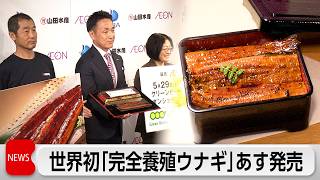
Japan will begin trial sales of the world’s first fully farmed eels for consumers on May 29th, marking a major milestone for the aquaculture industry as domestic eel prices have already fallen by about 40% from a year earlier.

Curry udon, a dish combining the fragrance of spices with one of Kansai's most beloved noodle staples, has developed into a distinctly different style in Kyoto, where a thickened dashi-based curry broth created to withstand the city's harsh winters has become the defining feature of a local comfort food tradition.

Japan byFood featuring Shizuka are heading to a Dancing Crab Tokyo that's redefining the new normal table etiquette with NO plates, NO utensils, and definitely NO staying quiet! (Japan by Food)

Production of tencha, the raw material used to make matcha, has begun in Yamazoe, Nara Prefecture, a village known for producing Yamato tea, with around 20 tons expected to be manufactured by the end of July.

The video explores the colorful and immersive food experience at Japan’s Super Nintendo World, highlighting how the park combines Nintendo nostalgia with Japan’s high culinary standards. (More Best Ever Food Review Show)

Honeybees, long valued for producing honey, are now facing a growing survival crisis that experts warn could eventually threaten global food supplies, as climate change, rising temperatures, and spreading parasites continue to devastate bee populations around the world.