News On Japan

Japan hit by scorching heat as rainy season appears over

Jun 28 (NHK) - Japan is experiencing scorching heat as the rainy season appears to have ended in much of the country.

Meteorological Agency officials announced on Tuesday that the rainy season seems to be over in the northern Kyushu, Shikoku and Hokuriku regions, as well as the western part of the main island of Honshu.

If finalized, the end of the rainy season in the areas will be the earliest since record-keeping began in 1951.

On Monday, the officials announced the end of the rainy season in the regions of southern Kyushu, Tokai and Kanto-Koshin, which includes Tokyo.

Only the northeastern region of Tohoku remains prone to rainy weather. Hokkaido has no rainy season.

Temperatures soared in many locations, especially in central Japan. Koshu City in Yamanashi Prefecture recorded a daytime high of 38.7 degrees Celsius, and Tajimi City in Gifu Prefecture 37.9 degrees.

Central Tokyo topped 35 degrees for the fourth straight day, for the first time ever in June.

Temperatures of over 35 degrees were observed at 100 locations across Japan, the most this season.

People are advised to stay hydrated and use air conditioners appropriately to avoid heatstroke. They are also encouraged to remove their face masks when they're outdoors and there's little conversation.

Source: ANNnewsCH

News On Japan
POPULAR NEWS

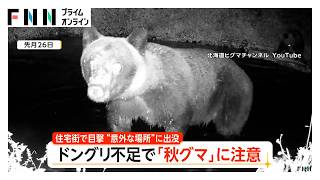
Bear sightings across Japan have already climbed to nearly twice the level recorded during the same period last year, prompting entry bans in mountain areas behind Kyoto’s Ninna-ji Temple and the cancellation of hiking events in Kansai, while new research suggests that the key to reducing encounters may lie in understanding what bears eat in each region.

Copper roofing panels were stolen from several shrines in Hamamatsu, Shizuoka Prefecture, including a city-designated cultural property, in the latest case amid a nationwide surge in copper thefts targeting shrines and temples across Japan, where soaring metal prices have fueled crimes that leave historic religious buildings damaged, exposed to the elements, and facing repair costs of millions of yen.

Flames broke out on the morning of May 20th on Miyajima Island in Hiroshima Prefecture, home to one of Japan's World Heritage sites, destroying Reikado Hall near the summit of Mount Misen.

Uncertainty surrounding the situation in the Middle East is beginning to affect daily life in Japan, as concerns over crude oil supplies spread to restaurants, cleaning services and even household garbage disposal systems across the Kansai region.

A 25-year-old woman arrested as a suspected ringleader in a robbery-murder case in Tochigi Prefecture once posted cheerful dance videos on social media and was remembered by those who knew her as an energetic and outgoing young woman.

MEDIA CHANNELS
         

MORE Travel NEWS

Traditional ukai cormorant fishing, a seasonal custom signaling the arrival of early summer, began on May 20th along the Chikugo River in Asakura, Fukuoka Prefecture, following the opening of ayu sweetfish fishing on the river that flows through southern Fukuoka.

Surrounded by mountains in Kyoto Prefecture, Miyama’s Kitamura district preserves one of Japan’s most iconic rural landscapes, where rows of traditional thatched-roof houses have been maintained for generations through strong community cooperation and deeply rooted village traditions.

The Japanese government has released a set of guidelines titled "Six Rules to Avoid Encountering Bears" as bear sightings across the country continue to rise sharply compared to the same period in previous years.

Video footage appears to show graffiti being carved into bamboo at Kyoto’s Fushimi Inari Taisha, with witnesses claiming two foreign visitors were involved in the vandalism.

Dazaifu Tenmangu in Fukuoka Prefecture, which enshrines Sugawara no Michizane, the deity of learning, opened its restored main shrine to the media on May 18th after completing its first major renovation in 124 years.

A 78-year-old man who drove off a brown bear by punching it in the nose has recounted the terrifying ordeal, as an unusual surge in spring bear sightings continues across Japan, including in the Kanto region and Tokyo.

A bear sighting in a residential area of Hachioji, western Tokyo, at the end of April has heightened concerns among local residents as encounters involving bears continue to increase across Japan.

A Russian man in his 30s suffered serious injuries after being attacked by a bear while hiking on Mount Mutsuishi in Okutama Town, western Tokyo, at around 12:10 p.m. on May 17th, according to the Metropolitan Police Department and the Tokyo Fire Department.