Oct 28, 2024 (News On Japan) - As much as we love local food in Bali, let's admit we simply can't get enough of Japanese food.
From sushi, to warm and thick ramen, Japanese food is the comfort food that you'll definitely turn to when the umami craving kicks in. No need to fly all the way to Japan - luckily, Bali is packed with amazing Japanese restaurants! You name it, Izakaya, sushi bars, to fine dining teppanyaki for those who want to celebrate something special, Bali has it all! Look no further for the best places to eat Japanese in Bali because we've done the hard work for you.
Kojin Teppanyaki Kaiseki – Ubud
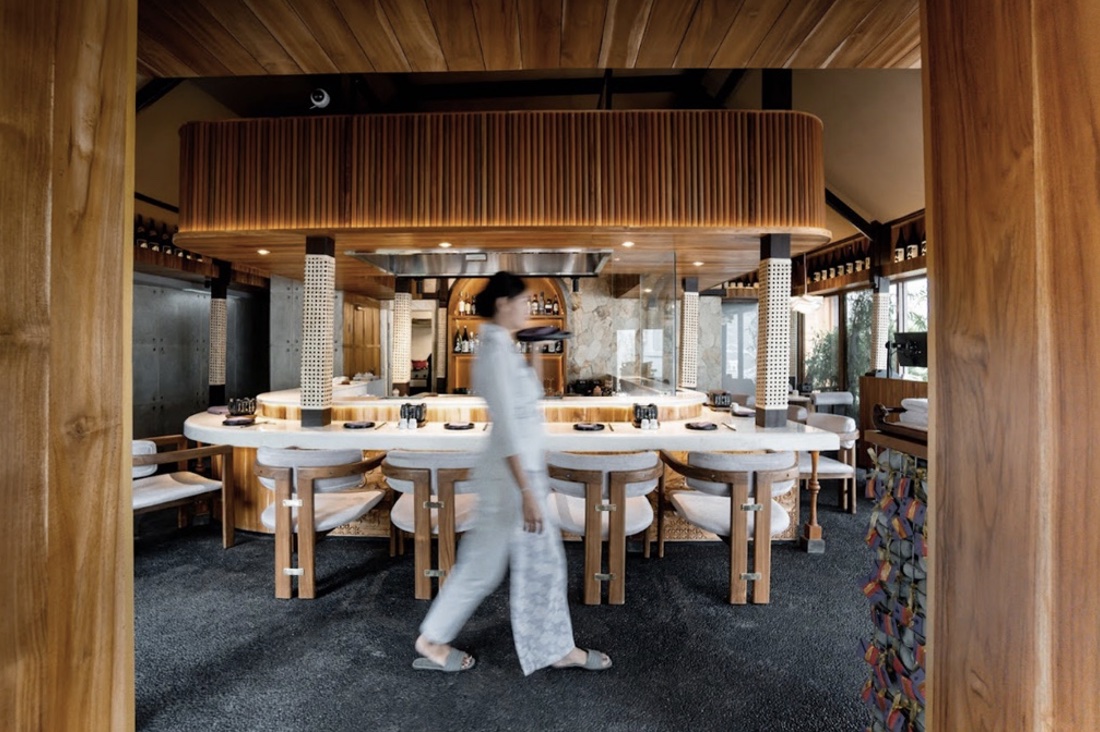
In a tranquil corner of Ubud, quite close to some of Ubud's famous attractions, a traditional Japanese restaurant with a serene atmosphere stands. Taking its name from Kojin, one of the Japanese gods of fire, Kojin specializes in teppanyaki dishes. The wooden structure and earthy surroundings give it a chic bistro feel, while the open kitchen allows guests to interact directly with the chefs. Their skilled chefs will take you through a signature teppanyaki that blends local ingredients with Japanese flavors.
Some of the must-try menus at Koji are the Grilled Scallops with Shiso Oil, Black Cod with Miso Shoyu, and Shiro Shoyu & Salmon Egg. Their special Kaiseki set, which features eight carefully crafted dishes, is one not to be skipped if you fancy something out of the ordinary - imagine tender Hokkaido scallops, Wagyu Yakiniku, and truffle mushroom sashimi on one plate, delish!
ShiShi Izakaya Lounge – Seminyak
I know you may recognize ShiShi as one of Bali's most upscale nightclubs, but did you know that they also serve delicious dishes at their Izakaya lounge on the ground floor? With its central location in the bustling Seminyak, this chic spot is known for its accessible yet high-end dining experience for the locals and tourists alike.
Their signature dishes like the sashimi trio and wagyu beef tartare are a must-try. A newcomer to sushi rolls, the Emperor Roll, filled with avocado, salmon, black cod, tobiko, yellowfin tuna, and 24-karat gold leaf, is equally appealing! The cocktail selection is also second to none, in line with their diverse menu. All cocktails are crafted by ShiShi's expert mixologists, ranging from classics to innovative concoctions with exotic flavors. When you're all fueled up, why not head to the upper floor to dance and burn some calories? This is your go-to answer on where to eat in Bali for an upscale experience!
Ryoshi - Seminyak, Ubud & Kuta
Ryoshi Bali, one of the first Japanese restaurants in Bali, has been established since 1993. It serves all your favorite Japanese food - from sushi platters, Japanese-style carpaccio, maki rolls to tataki. They are located in three of Bali's most popular locations, Seminyak, Ubud, and Kuta, making it easy to stumble upon this restaurant.
A cozy atmosphere with simple Japanese table settings, Ryoshi combines authentic Japanese food and live jazz music, giving you a unique dining experience. If you're coming with friends or family, there's also a set menu perfect for sharing, and it's definitely a deal breaker!
Hamabe - Nusa Dua
Set within the five-star resort The Westin, Hamabe is famous for its stunning theatrical teppanyaki table. The ambience of the restaurant is inspired by a tranquil traditional Japanese garden, with the cuisine adopting an authentic Japanese cooking technique from the Sendai Region of Japan - the robata grill. The food is cooked slowly over hot coals, preserving the rich flavors of the meat, seafood, and vegetables.
On one side of the dining hall is a long sushi and sashimi counter, while on the other, the Shabu Shabu area and Robatayaki station sizzle and smoke as delicious dishes are seared on the grill. Finally, as the event's highlight, guests always hear and see the clapping and clattering sounds of the Teppan on the other side.
SONO Teppanyaki – Uluwatu
If you've just had enough of riding the waves of Uluwatu and fancy a Japanese treat, SONO Teppanyaki is the place to go. Located on the top floor of Anantara Uluwatu Resort, SONO scoops all the trophies when it comes to fiery Teppan feasts. Watch closely as the chefs juggle, flip, drum, and make fireballs behind the kitchen. SONO only has 14 hot seats, so you'd better make a reservation to stay in the space.
From Gyoza, Miso soup, California rolls, and Hibachi sides to their homemade sweets, everything will blow your mind! If you simply can't choose between meat or seafood, their chef's specialty menu, 'Land and Sea,' will be just the thing for you. Featuring organic chicken breast, tiger prawns, and vegetables, this me
Conclusion
It's no wonder Bali has always been a world travel destination, it truly has the complete package at its core - culture, nature, and of course the variety of cuisine on offer.
We have compiled the top restaurants in Bali for a great experience from Ubud, Canggu, Uluwatu and Kuta area for you whenever the Japanese craving strikes. So, no more wondering where's the best Bali restaurant, when it comes to your favorite umami fare. Itadakimasu!