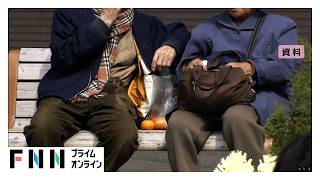
TOKYO - doctors and schools across Japan are drawing attention to a condition known as “New Year syndrome,” a form of physical and mental malaise that can emerge when daily routines are disrupted by an extended year-end break.
As winter vacations concluded on January 8th at many elementary and junior high schools, children returned to classrooms nationwide, sharing stories of soccer games, shooting stars and personal goals for 2026, while teachers sought to restore a sense of normalcy through cleaning activities and the start of the third term. Although many students appeared energetic, interviews revealed that irregular sleep schedules had already taken a toll, with some children admitting they struggled to wake up on time after staying up late during the holidays, lingering in bed despite being awake, or rushing out after oversleeping.
Similar disruptions were being seen among adults, particularly in urban clinics, where an increasing number of patients were reporting vague but persistent symptoms following the long holiday period. Physicians noted complaints such as fatigue, a heavy sensation in the head, stiffness in the neck and shoulders, stomach discomfort, nausea and loss of appetite, often accompanied by a general sense of sluggishness. Patients themselves frequently pointed to changes in lifestyle during the holidays, including reduced physical activity, staying indoors longer, and a shift toward later bedtimes and wake-up times, all of which contributed to a breakdown in normal circadian rhythms. Doctors explained that these symptoms are linked to imbalances in the autonomic nervous system, which regulates bodily functions such as digestion, circulation and sleep, and can be particularly sensitive to sudden changes in routine.
Medical experts emphasized that while New Year syndrome shares similarities with the better-known “May blues,” which tends to appear after the Golden Week holidays, it has distinct characteristics that warrant caution. In addition to psychological stress associated with returning to school or work, winter-specific factors such as cold temperatures and dry air can exacerbate physical strain, making recovery more difficult. Unlike May blues, which is more commonly observed among students and younger working adults, New Year syndrome can affect people of all ages, reflecting the universal impact of disrupted daily rhythms during the holiday season.
As for countermeasures, doctors stressed that there is no quick fix, but rather a need for gradual readjustment. Exposure to morning sunlight was highlighted as particularly important, as it helps regulate the body clock, reduces stress and supports the production of serotonin, often referred to as a happiness-related hormone. Waking up by 8 a.m. at the latest and slowly returning to regular sleep and activity patterns over several days was recommended as a practical approach. From a mental health perspective, industrial counselors also encouraged people to lower self-imposed pressures during this transition period, promoting a mindset summed up in the phrase “ha-hi-fu-he-ho,” which advocates accepting “half is enough,” “average is enough,” “ordinary is enough,” “plain is enough,” and “in moderation is enough.” In a society where high expectations and constant comparison can intensify stress, specialists say embracing such moderation can play a key role in easing both mind and body back into everyday life after the holidays.
Source: FNN