News On Japan

Kyoto’s Takase River Restoration Completed After 15 Years

KYOTO - Once a thriving canal, Kyoto’s Takase River, which flows through the Kiyamachi entertainment district in central Kyoto, has completed a long-running restoration project after 15 years, reviving a waterway that prospered during the Edo period as a key link between the city center and Fushimi.

The river, later immortalized as the setting of Mori Ogai’s novel Takasebune, is a well-known tourist spot, but footage taken in 2010 showed sections of the riverbed exposed after water levels dropped so sharply that parts of the channel ran dry.

Kyoto City says water began leaking around 2006 from deteriorating stone embankments, causing repeated declines in water levels, with downstream sections from Sanjo Street at one point completely drying up.

In response, the city launched restoration work in 2010, filling gaps in the stonework with concrete and laying protective sheets along the riverbed to prevent further leakage, investing about 11 billion yen in a project that has now restored a steady flow of water.

The head of a local group long involved in cleaning and maintaining the river said stagnant water had caused algae to rot and produce foul odors, adding that his ideal is to turn the Takase River into a second “Philosopher’s Path.”

Kyoto Mayor Matsui Koji also said he has already noticed environmental changes following the restoration, pointing out that white herons have returned and fish are present despite relatively low water levels, describing the project as a form of Kyoto-style urban development that preserves tradition while updating it for the present.

Source: MBS

News On Japan
POPULAR NEWS

Typhoon No. 24 (Krovanh) and a stationary autumn rain front are threatening record-breaking rainfall across Kyushu and Shikoku, with some parts of Miyazaki Prefecture forecast to receive more than 1,000 millimeters over three days and authorities warning of the possible formation of linear rainbands.

A late former professor at Asahikawa Medical University has won the Ig Nobel Prize in Medicine for scientifically examining the proper way to blow the nose, extending Japan's streak of Ig Nobel winners to 20 consecutive years.

Night trains are making a comeback across Japan, with railway operators introducing new overnight services and even experimenting with overnight Shinkansen trains as demand grows for alternatives that combine transportation, accommodation and the experience of traveling through the night.

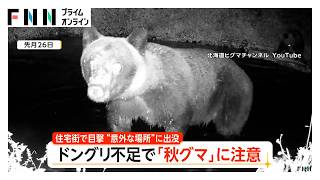
Bear sightings and attacks have been reported across Japan throughout the summer, with animals damaging sheds, attacking livestock and injuring people, while experts warn that autumn is the most dangerous season as bears expand their range in search of food.

Japan's Environment Ministry will conduct its first survey of animal cafes, where customers can interact with animals including exotic species, as concerns grow over infection risks, injuries and the welfare burden placed on animals.

MEDIA CHANNELS
         

MORE Travel NEWS

Hikone Castle in Shiga Prefecture has been formally selected as Japan's candidate for nomination as a UNESCO World Cultural Heritage site, advancing a campaign that has continued for more than 30 years and aims to secure inscription in the summer of 2028.

Highway service areas around the Kanto region are becoming destinations in their own right, offering travelers everything from freshly harvested vegetables and popular regional restaurant dishes to baths, observation decks and family events during the busy summer vacation season.

Japan's Ministry of Economy, Trade and Industry raised subsidies for aviation fuel used on domestic flights from September 3, doubling the support rate while ending subsidies for international flights.

Osaka City plans to tighten regulations on private lodging businesses, or minpaku, by generally prohibiting new operations in wooden and steel-frame apartment buildings where residents already live, following repeated complaints over noise and garbage.

Bear sightings and attacks have been reported across Japan throughout the summer, with animals damaging sheds, attacking livestock and injuring people, while experts warn that autumn is the most dangerous season as bears expand their range in search of food.

Kashima Shrine in Kashima, Ibaraki Prefecture, held its Ofune Festival on September 2, with a spectacular fleet of more than 100 brightly decorated boats sailing along rivers and across lakes in a tradition staged once every 12 years during the Year of the Horse.

Haneda Airport introduced two major changes on September 2, opening a new boarding facility at Terminal 1 while moving the checked-baggage deadline for all domestic flights to 30 minutes before departure.

Universal Studios Japan is considering its first expansion since opening in 2001, with plans to use about 60,000 square meters of former Nippon Steel factory land adjacent to the park and potentially increase its total area by roughly 10%.