
News On Japan

Which News to Follow Before Visiting Japan

Feb 16, 2026 (News On Japan) - A trip to Japan feels smoother when you understand what is happening beyond guidebooks and travel blogs.
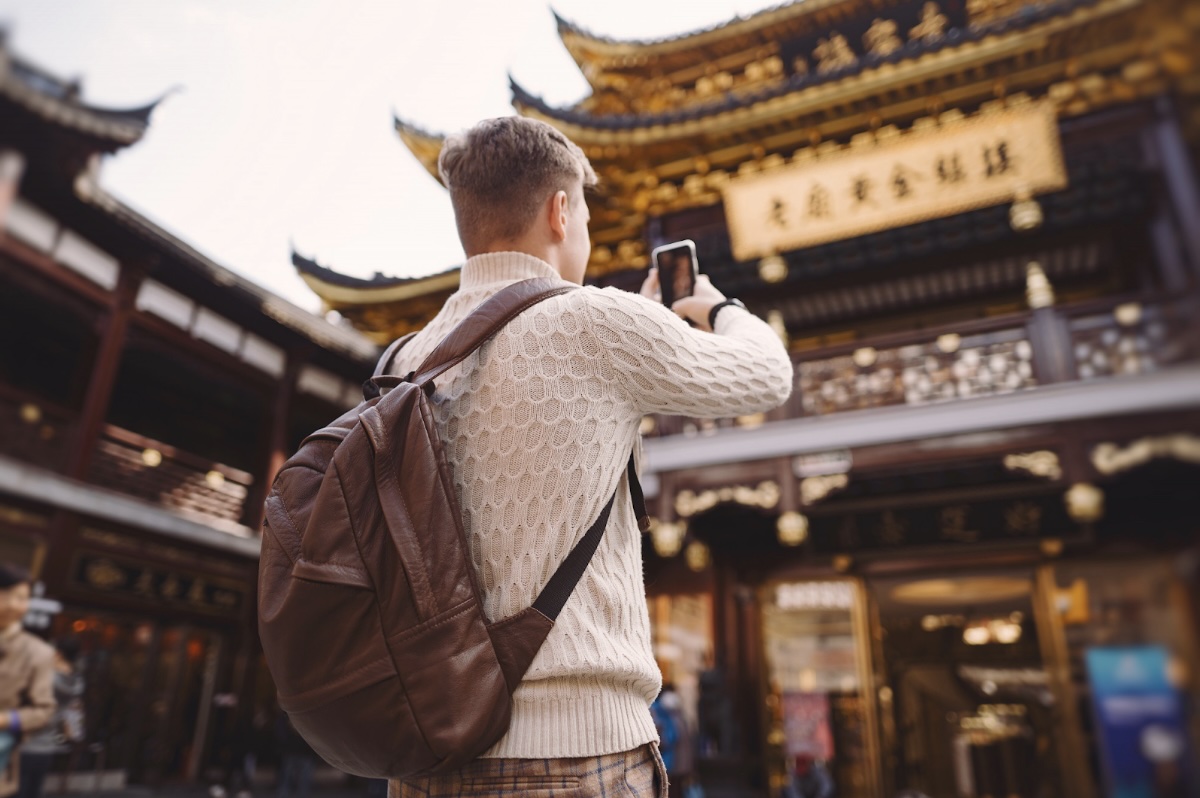
Which News to Follow Before Visiting Japan

Not just the famous sights, but the practical details that affect trains, airports, neighborhoods, and daily routines. For travelers, especially those visiting for the first time, small updates can matter as much as a carefully planned itinerary.

Many visitors begin by checking broad international coverage before narrowing their focus to destination-specific developments. Using Gaya One News as a starting point helps travelers scan global headlines and then shift attention to regional updates that may affect their plans. This approach keeps information organized instead of overwhelming.

Tourism Trends and What They Mean for Your Trip

Japan remains one of the world’s most visited destinations, and in 2025 the country welcomed more than 35 million international travelers. That scale influences daily logistics in ways visitors often underestimate.

Higher arrival numbers translate into fuller trains during peak hours, tighter hotel availability in major cities, and longer queues at iconic sites. Checking official sources can help you understand seasonal patterns and anticipate when certain regions may be especially busy.

Entry Policies, Transport, and Infrastructure Updates

The most important category to monitor before and during your visit is transportation and entry policy changes. Japan’s rail system is highly efficient, but temporary maintenance, route adjustments, or weather-related delays can alter travel plans quickly.

It also helps to stay aware of airport procedures and any visa or documentation updates. Even minor policy changes can create confusion if you only discover them at departure. A quick daily review of official notices is usually enough. The goal is awareness, not constant checking.

Public Safety and Community Advisories

Japan is widely regarded as a safe destination, yet local advisories still matter. Large public events, seasonal weather alerts, and temporary access restrictions can influence your schedule.

Rather than relying on social media posts, focus on verified updates. Confirmed information helps you make practical decisions without unnecessary stress. Travelers who check local advisories briefly each morning often avoid preventable disruptions later in the day.

Practical Daily Monitoring Without Stress

You do not need to follow every headline while traveling. Concentrate on the areas that directly affect your movement and comfort. A short checklist can help:

- train and airport service notices;

- weather advisories, especially during typhoon season;

- major public events in your destination city;

- official travel or entry updates.

Spending five to ten minutes reviewing these categories is usually sufficient.

Conclusion

Monitoring key news areas does not take away from the excitement of travel. It enhances it. When you understand transport conditions, visitor trends, and local advisories, you move through your trip with greater confidence. Structured coverage supports that awareness. Gaya One allows travelers to follow global and regional developments in clearly defined categories, making it easier to stay informed without being distracted.

Japan offers extraordinary experiences, from historic temples to cutting-edge cityscapes. Keeping an eye on the right news categories ensures that logistics remain smooth, so your focus can stay where it belongs — on the journey itself.

News On Japan
POPULAR NEWS

Toyota Motor will begin operating fully autonomous taxis in 2027 through a partnership with U.S. self-driving technology company Waymo, marking a major step in the Japanese automaker's efforts to expand driverless transportation services.

Mount Fuji has received its first snowcap of the season, the Japan Meteorological Agency announced on October 30, after temperatures at the summit plunged to minus 9.4 degrees Celsius, marking the arrival of winter conditions on Japan's highest mountain.

U.S. intelligence agencies suspect that a Chinese female intelligence operative developed a close relationship with Nvidia CEO Jensen Huang in an attempt to obtain confidential corporate and U.S. government information, according to a report published by The New York Times on October 29th.

The Japanese government has asked major telecommunications operators to forcibly block access to websites believed to contain personal information stolen in a cyberattack on GMO, it emerged on October 29th, as authorities moved to prevent further exposure of sensitive data online.

Typhoon No. 31 was located near Minamitorishima Island in the Pacific Ocean, as of 3 a.m. on October 30, and was expected to approach the Ogasawara Islands south of Tokyo over the October 31-November 1 weekend while maintaining very strong intensity, bringing a growing risk of dangerously high waves, powerful swells and extremely rough seas.

MEDIA CHANNELS
         

MORE Travel NEWS

Hokkaido University's famous ginkgo avenue in Sapporo has reached its peak autumn color, attracting residents and tourists to the campus ahead of the two-day Hokudai Golden Leaf Festival on October 31 and November 1, an event that drew 35,000 visitors last year.

A spectacular illumination of the Hashigui Rocks, a nationally designated natural monument in Kushimoto, Wakayama Prefecture, is set to begin on October 30, transforming a series of unusual coastal rock formations into a colorful nighttime attraction.

Japan's first major cold spell of the season brought snow, freezing winds and record-low autumn temperatures across the country, with 639 observation points registering their coldest readings of the season on October 29, while forecasts issued that evening indicated that temperatures would recover on October 30 as rain spread across much of the country.

Typhoon No. 31 was located near Minamitorishima Island in the Pacific Ocean, as of 3 a.m. on October 30, and was expected to approach the Ogasawara Islands south of Tokyo over the October 31-November 1 weekend while maintaining very strong intensity, bringing a growing risk of dangerously high waves, powerful swells and extremely rough seas.

Japan's first significant snowfall of the season has brought winter conditions to Hokkaido and northern Honshu, with snow depths exceeding 10 centimeters in several mountain and inland locations on October 28, while a fresh wave of cold air is expected to bring further snowfall over the weekend of October 31 and November 1.

Osaka's iconic Tsutenkaku Tower celebrated the 70th anniversary of its reopening on October 28, marking seven decades since the landmark was rebuilt in 1956 as a symbol of the city's postwar recovery, while new attractions continue to draw visitors to the surrounding Shinsekai entertainment district.

A magnitude 5.4 earthquake struck northeastern Chiba Prefecture at around 12:07 a.m. on October 29, registering a maximum intensity of 5-lower on Japan's seven-level seismic scale and sending tremors across a wide area of eastern and central Japan, including Narita Airport, where footage captured the moment of shaking.

Japan will introduce a major overhaul of its tax-free shopping system for foreign visitors on November 1, replacing immediate tax exemptions at stores with a refund system that requires travelers to pay the full consumption tax upfront and claim reimbursement when leaving the country, a change expected to reshape retail strategies and purchasing behavior across the tourism industry.