News On Japan

Japanese Companies Go Black-and-White on Naphtha Supply Shortages

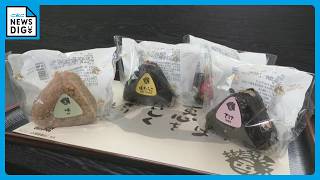
TOKYO - A black-and-white version of Calbee's popular Kappa Ebisen snack has appeared on supermarket shelves in Tokyo as concerns over the supply of printing materials linked to Middle East tensions ripple through Japan's food industry, while more than 1,000 food products are set to become more expensive in June.

The newly released black-and-white Kappa Ebisen packaging reflects growing concerns about the supply of printing inks and other materials derived from naphtha, a petroleum product whose availability has come under pressure due to instability in the Middle East.

Regarding a roughly 23% decline in domestic naphtha production in April compared with the same month a year earlier, Economy, Trade and Industry Minister Ryosei Akazawa said on May 31st that the drop was largely due to a concentration of scheduled maintenance work at production facilities.

"The decline was caused by periodic maintenance being concentrated in that month," Akazawa said. "We expect production levels to return to 100% after April."

He added that the situation does not warrant public concern, saying there is no indication of a supply crisis that should alarm consumers.

According to Teikoku Databank, 1,078 food and beverage products will see price increases beginning this month, representing a sharp rise from May.

Meanwhile, Pan Pacific International Holdings, the operator of discount chain Don Quijote, announced that a new line of private-label products will feature black-and-white packaging.

The products will be introduced this month at approximately 670 stores nationwide, including Don Quijote outlets. The company said the simplified packaging reduces printing costs and, together with logistics improvements, helps keep prices low.

Focusing on daily necessities, the lineup will initially include 26 products, such as 500-milliliter bottles of water priced at 40 yen and packs of five tissue boxes priced at 196 yen.

The company also said the packaging strategy will help mitigate the impact of rising raw material costs and potential ink shortages stemming from worsening conditions in the Middle East.

As packaging materials become more expensive, retailers across Japan are accelerating efforts to adapt to supply chain disruptions and rising costs linked to geopolitical tensions.

Source: TBS

News On Japan
POPULAR NEWS

[updated 22:00 p.m.] As of 10 p.m. on June 1st, Typhoon No. 6 was located about 90 kilometers north of Naze City in Amami and moving north at 20 kilometers per hour, as forecasters warned of dangerous rain, strong winds, and high waves spreading from western Japan toward the Kanto region over the coming days. Forecasts show the typhoon gradually turning eastward, passing north of Amami before moving south of Kyushu and tracking along Japan's Pacific coast.

[updated 22:00 p.m.] Airlines and railway operators are warning of further transportation disruptions across Japan on June 2nd and June 3rd as Typhoon No. 6 moves northeast from Okinawa toward southern Kyushu and the Pacific coast of western Japan. More than 130 flight cancellations have already been announced by Japan Airlines and All Nippon Airways for June 2nd, following widespread disruptions in Okinawa as the storm passed through the region.

Japanese Prime Minister Sanae Takaichi held a telephone conversation with Iranian President Masoud Pezeshkian on June 1st, urging Iran to demonstrate maximum flexibility in its ongoing discussions with the United States and expressing hope that an agreement on the nuclear issue can be reached as soon as possible.

Defense Minister Shinjiro Koizumi strongly rejected accusations that Japan is embracing "new militarism," describing such claims as false while delivering a speech at a major regional security conference in Singapore on May 31st.

A series of false bear sighting reports posted to an online alert system operated by Aomori Prefecture has disrupted schools, prompted a police investigation, and raised concerns about the growing impact of misinformation on public safety.

MEDIA CHANNELS
         

MORE Oil Crisis NEWS

A black-and-white version of Calbee's popular Kappa Ebisen snack has appeared on supermarket shelves in Tokyo as concerns over the supply of printing materials linked to Middle East tensions ripple through Japan's food industry, while more than 1,000 food products are set to become more expensive in June.

As Japan grapples with rising energy costs linked to the prolonged crisis in the Middle East, the government is urging businesses and households to improve energy efficiency, placing renewed attention on a futuristic manufacturing model known as the "dark factory."

Shortages of thinners, paints, adhesive tapes and other petroleum-derived products are continuing to spread across Japan, raising questions about whether supply disruptions can still be explained solely by distribution bottlenecks.

Concerns over instability in the Middle East show little sign of easing, and the effects are increasingly being felt in everyday life across Japan. Supply chain disruptions linked to petroleum-based materials are now affecting everything from household goods to public infrastructure projects.

More than 1,000 food products and other consumer goods will see price increases from June, with the effects of instability in the Middle East now reaching supermarket shelves in unexpected ways, including the appearance of black-and-white potato chip packages.

The “naphtha shortage” triggered by escalating tensions in the Middle East is now spreading into Japan’s housing industry, with shortages of paint, thinner, insulation materials and other building products forcing construction delays across the country.

Rising tensions surrounding the closure of the Strait of Hormuz are beginning to ripple through Japan’s economy, with higher energy costs and shortages of petroleum-based materials threatening to accelerate inflation just as the country heads into another extremely hot summer.

Construction projects across Japan are being suspended as shortages of paint, thinner and waterproofing materials linked to worsening tensions in the Middle East place mounting pressure on small and midsize builders, with some contractors warning they may soon be forced out of business.