News On Japan

Western Japan faces serious drought

SHIKOKU, Nov 09, 2023 (News On Japan) - Dams in western Japan are in a critical situation due to record low rainfall.

In Ehime Prefecture, Kanogawa Dam is completely dry as of Nov 9, when normally at this time of year the water level is about 40%.

Last month, Ozu City received only 21 millimeters of rain, one-sixth of the average, the lowest for October in recorded history.

Kanogawa Dam management commented, "Typically in September and October, the Shikoku region is hit by typhoons, but this year we had none of that rain. We prepare for typhoons by lowering the water level for 'flood control,' but subsequent rainfall is hard to predict."

The Kanogawa Dam, which plays a role in regulating the water level of surrounding rivers, is expected to affect daily life if the rain does not come.

Water intake restrictions have begun in a wide area centering on western Japan, including Yamaguchi and Kyoto prefectures, due to less rainfall and reduced water storage rates in the dams.

Farmers in Ozu City have suffered significant damage. Taro fields, which are just entering the shipping season, present a scene far from the "fruitful autumn" expected. This year, most have grown only to half the size of previous years. Sales are expected to decrease by more than 30%.

The lack of rain is also causing problems for farmers growing broccoli, TV Asahi reports.

News On Japan
POPULAR NEWS

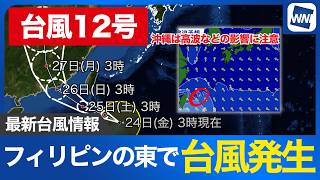
Typhoon No. 12 (Noul) formed east of the Philippines at 3 a.m. on Friday, July 24, becoming the fourth typhoon to develop this month as this year's storm season continues at a faster pace than usual.

A 37-year-old Chinese woman has been arrested and referred to prosecutors on suspicion of operating an unlicensed taxi service that transported travelers from Kansai International Airport to a hotel in Kyoto.

The Japan Aerospace Exploration Agency conducted a ground firing test of the second-stage engine for its Epsilon S small solid-fuel rocket at the Tanegashima Space Center in Kagoshima Prefecture on July 23.

Kuwana in Mie Prefecture recorded 40.6 degrees Celsius, the highest temperature anywhere in Japan this year, as a powerful high-pressure system and hot downslope winds combined to produce dangerous heat across a wide area.

The hacker group known as RansomHouse has claimed responsibility for a cyberattack on frozen food giant Nichirei that delayed shipments and disrupted restaurants and supermarkets across Japan.

MEDIA CHANNELS
         

MORE Business NEWS

A government panel discussing Japan's minimum wage for fiscal 2026 ended its latest meeting on July 23 without an agreement between labor and management, pushing a decision back until its next session.

Japan's average retail price for regular gasoline rose to 170 yen per liter, while the government is considering reducing subsidies by raising its target price to around 175 yen after the peak travel season.

Tokyo stocks rose on July 23, with the Nikkei 225 closing at 66,422.60, up 307.00 points, as investors bought back semiconductor and artificial intelligence-related shares despite renewed concern over the yen’s weakness near 40-year lows and oil prices driven higher by Middle East tensions.

Retail prices for imported beef and pork in Japan have climbed to their highest levels on record, driven by the weak yen and tighter overseas supplies.

Japan's finance minister signaled the government is prepared to intervene in the foreign exchange market after the yen briefly weakened into the 163 range against the dollar, its lowest level in about 40 years.

The hacker group known as RansomHouse has claimed responsibility for a cyberattack on frozen food giant Nichirei that delayed shipments and disrupted restaurants and supermarkets across Japan.

Japanese companies and the government are stepping up efforts to develop domestically produced humanoid robots as Chinese manufacturers dominate the rapidly expanding physical AI market, with Nvidia CEO Jensen Huang predicting that the next industrial revolution will take place in Japan.

Tokyo stocks ended mixed on July 22, with the Nikkei 225 closing at 66,115.60, down 116.59 points, or 0.17%, as early buying in semiconductor and artificial intelligence-related shares faded in the afternoon while a weaker yen and higher oil prices kept inflation concerns in focus.