News On Japan

Underground Water Brings Out the Umami of Izu Natto

SHIZUOKA, Apr 27, 2025 (News On Japan) - Soybeans steamed to a tender finish in a pressure cooker — this is the foundation of 'Izu Natto,' made from locally grown soybeans and the water of Izu.

Marusa Foods, founded 72 years ago as of 2025, is the only natto manufacturer in the Izu region. The company has earned national recognition, winning awards three times at a competition where about 100 natto makers from across Japan compete. Its signature product, the "Medium-Sized Soybean Natto," is highly praised for its quality.

Each soybean in the natto is firm, and the rich umami spreads across the palate with every bite, creating a deeply satisfying flavor that pairs well with rice. Kyoaki Saito, the third-generation head of Marusa Foods, explains that the texture is intentionally firm, allowing the taste of the soybeans to deepen with each chew. Saito inherited the business from his grandfather and father, maintaining the company’s commitment to carefully selected ingredients. For their main product, they use a variety of soybeans known as "Fukuyutaka," harvested within Shizuoka Prefecture.

Another key element in their production is water. Water is vital in many steps, including washing the soybeans and preparing the seasoning, and Saito emphasizes that both soybeans and water are the most important factors in making good natto. The underground water flowing from the rich natural environment of Izu, including Mount Amagi, plays an essential role. High-quality water helps tighten the flavor of the soybeans, creating a deeper, more refined taste. Seeking such ideal water, Saito’s father, Ryuichi, relocated the factory to its current site.

Care is taken from the very beginning of the process, as fermentation is sensitive to the cleanliness of the soybeans. After a meticulous washing, the soybeans are soaked overnight in underground water. They are then steamed slowly for about an hour in large kettles. Once softened, they are sprayed with water mixed with natto bacteria, quickly packed, and allowed to ferment overnight in a specialized room.

On a typical day, Marusa Foods produces between 1000 and 2000 packs of natto, but during busy periods, production can rise to 4000 to 5000 packs. Saito said he wants to continue creating distinctive natto by using carefully selected beans, offering a variety of flavors to customers. Marusa Foods also provides locally made natto for school lunches in the eastern part of Shizuoka Prefecture, and Saito hopes their products will inspire a new generation of children to develop a love for natto.

News On Japan
POPULAR NEWS

A fire broke out at Arima Inari Shrine near the Arima Onsen hot spring resort area in Kobe on the night of June 9th, destroying multiple buildings and leaving an elderly Shinto priest and his wife with minor injuries.

Japan, which records the shortest average sleep duration among OECD countries, is launching new efforts to tackle widespread sleep deprivation, including the opening of specialized sleep disorder departments and programs aimed at improving children's sleep habits through sports and physical activity.

Japan's national soccer team arrived in Nashville, Tennessee, on June 8th from Monterrey, Mexico, where it had been conducting a pre-World Cup training camp, and held its first practice session at its base camp for the FIFA World Cup in North America.

A prolonged eruption at Sakurajima on June 7th blanketed parts of Kagoshima City in volcanic ash, turning roads gray and prompting long lines of vehicles seeking car washes after a plume of smoke rose 1,300 meters above the crater.

A powerful earthquake struck off Mindanao Island in the southern Philippines at 8:38 a.m. (Japan time) on June 8th, generating tsunami waves across parts of the Pacific, causing building collapses and casualties near the epicenter, and prompting the Japan Meteorological Agency to issue tsunami advisories along a wide stretch of Japan's Pacific coastline before lifting all of them at 4:50 p.m.

MEDIA CHANNELS
         

MORE Food NEWS

The first auction of Raiden Watermelon, a specialty product of Kyowa in Hokkaido's Shiribeshi region, was held in Sapporo on June 9th, with a pair of melons fetching a record-high 400,000 yen.

Seven-Eleven Okinawa and local dairy farmers have begun working together to find new uses for milk produced during the summer vacation period, when school lunch programs are suspended and demand for fresh milk declines.

The harvest of Nanko plums, a specialty product of Minabe Town in Wakayama Prefecture, Japan's largest ume-producing region, has reached its peak, with farmers busy gathering the highly prized fruit despite another disappointing crop year.

Major meat processor Itoham announced on June 5th that it will launch a new lower-priced product line next month as companies continue to grapple with rising costs driven by inflation and instability in the Middle East.

Did you know that some Domino’s Pizza locations in Japan offer an all-you-can-eat deal? It is a super rare experience available at only a very limited number of stores.

World-renowned musician YOSHIKI is betting on Hokkaido wine as Japan's next global export success story, joining a growing list of international figures and industry leaders who see the island as one of the world's most promising emerging wine regions.

I'll attempt to spend $100 on street food in Kyoto, Japan, but there's one problem: Japan is not really a street food country. Most people prefer to eat indoors, and finding street food is surprisingly difficult almost anywhere in the country—except in places like Nishiki Market. (More Best Ever Food Review Show)

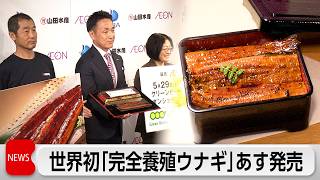
Japan will begin trial sales of the world’s first fully farmed eels for consumers on May 29th, marking a major milestone for the aquaculture industry as domestic eel prices have already fallen by about 40% from a year earlier.