News On Japan

Foreign Tourists Praise Japanese Clinics

TOKYO - Japanese clinics are increasingly being visited by foreign tourists for a variety of medical reasons. These include emergencies such as sudden illnesses, injuries, and the need for critical vaccinations.

At the Tokyo Station International Clinic, located near Tokyo's South Exit, approximately 90% of patients are foreigners. The clinic’s appeal lies in its ability to provide services in English and Chinese, addressing the language barrier that often causes difficulty for non-Japanese speakers seeking medical help.

Foreign tourists face unique challenges while traveling, such as injuries or unexpected health issues. For instance, a visiting American woman developed a severe rash due to an allergic reaction, which she hadn’t anticipated while on vacation. Another couple from Hong Kong had to deal with a knee injury sustained during their flight, which threatened their planned visit to Disneyland. Yet, the clinic's timely intervention allowed them to continue their plans.

Moreover, the clinic encounters more severe cases, like a diabetic woman from the United States who required urgent care for an injury and dangerously high blood pressure. The clinic not only provided immediate treatment but also referred her to a specialized national hospital. The staff aim to make foreign visitors feel supported, ensuring they can enjoy their time in Japan despite medical setbacks.

For tourists like Stephanie, who required a final dose of a life-saving rabies vaccine, the clinic coordinated with a Kyoto hospital to provide the necessary care, preventing a potentially fatal outcome. Open year-round, the Tokyo Station International Clinic has become a critical point of care for foreign tourists, demonstrating the importance of accessible healthcare for those traveling abroad.

Source: FNN

News On Japan
POPULAR NEWS

Toyota Motor will begin operating fully autonomous taxis in 2027 through a partnership with U.S. self-driving technology company Waymo, marking a major step in the Japanese automaker's efforts to expand driverless transportation services.

Mount Fuji has received its first snowcap of the season, the Japan Meteorological Agency announced on October 30, after temperatures at the summit plunged to minus 9.4 degrees Celsius, marking the arrival of winter conditions on Japan's highest mountain.

U.S. intelligence agencies suspect that a Chinese female intelligence operative developed a close relationship with Nvidia CEO Jensen Huang in an attempt to obtain confidential corporate and U.S. government information, according to a report published by The New York Times on October 29th.

The Japanese government has asked major telecommunications operators to forcibly block access to websites believed to contain personal information stolen in a cyberattack on GMO, it emerged on October 29th, as authorities moved to prevent further exposure of sensitive data online.

Typhoon No. 31 was located near Minamitorishima Island in the Pacific Ocean, as of 3 a.m. on October 30, and was expected to approach the Ogasawara Islands south of Tokyo over the October 31-November 1 weekend while maintaining very strong intensity, bringing a growing risk of dangerously high waves, powerful swells and extremely rough seas.

MEDIA CHANNELS
         

MORE Education NEWS

A Japanese midwife is campaigning to reform sex education in schools, traveling across the country to teach children about their bodies, pregnancy, contraception, and sexual violence prevention, as longstanding restrictions in the national curriculum leave teachers uncertain about how much information they can provide.

Japan's children are increasingly turning away from books, with a nationwide survey finding that more than 70% spend less than an hour reading each week and nearly one in five do not read at all, raising concerns about literacy and learning as schools and families search for ways to rebuild reading habits.

France has seen days of protests in Paris over the rising cost of living and declining access to public services, including state education. Some demonstrations have been marred by violence and looting.

In Japan, excessive overtime work could lead to a presumed cause of death. Lots of workers have logged very high overtime hours. Families no longer accept compensation as the end of the matter and have started taking employers to court instead. These cases have started to decide what a company must know about its staff hours, and what it must do once it knows.

Tokyo's Metropolitan Police Department has released a warning video highlighting the dangers of illegal part-time jobs advertised on social media, showing how young people can be drawn into organized crime through promises of easy money before being threatened with violence if they attempt to escape.

Local governments across Japan are stepping up efforts to recruit people who hold teaching licenses but are not working in schools, known as "paper teachers," as a worsening teacher shortage has seen the national ratio of applicants to available elementary school teaching positions fall from 12.5 in fiscal 2000 to just 2 in 2025.

A growing number of Chinese families are moving to Japan to escape their country's fiercely competitive education system, attracted by a more relaxed learning environment and better quality of life, as Japan's foreign resident population reaches a record 4.28 million and universities report a sharp increase in Chinese students seeking to build their futures in the country.

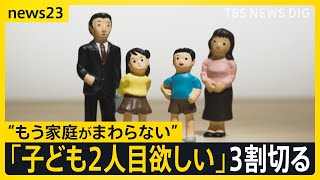
The proportion of parents in Japan who want a second child has fallen to a record low of 28.2%, according to a survey by major life insurer Meiji Yasuda, highlighting growing financial pressures, demanding work schedules and concerns about the future that are making it increasingly difficult for families to consider having more children.