News On Japan

Narita Airport facing severe worker shortage

TOKYO - The number of shops and staff at Japan's Narita Airport has taken a big hit since the start of the pandemic. The slump comes at a difficult time for the transport hub, which is facing a resurgence in tourists and other travelers.

A survey by the airport operator in February showed there were 619 shops, restaurants and other businesses at Narita. That was a decline of 8 percent from 2017.

The number of workers was down by about 7,000 to around 36,300, a 16-percent drop.

The fall poses a major headache for the operator, which is seeing a healthy recovery in traffic.

Compounding the problem is the fact that Narita's third runway is due for completion in 6 years' time, meaning visitors to the airport will only increase.

The operator expects it will need roughly 70,000 people to staff businesses at the airport by that time.

News On Japan
POPULAR NEWS

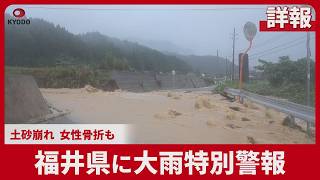
Record rainfall caused 19 rivers to overflow across Fukui Prefecture, flooding roads and homes, triggering landslides and temporarily forcing authorities to issue the highest-level heavy rain emergency warning from early Sunday morning.

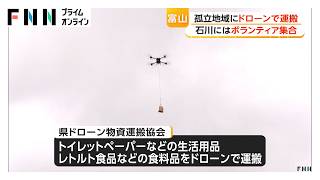
Drones were used to deliver food and daily necessities to an isolated mountain community in Himi City, Toyama Prefecture, on August 30 after torrential rain triggered a landslide that cut off road access, while volunteers continued flood recovery work in neighboring Ishikawa Prefecture.

Two typhoons east of Japan were moving northward on August 30, with Typhoon No. 23 (Banlan) overtaking Typhoon No. 22 (Artau), although neither storm is expected to have a direct impact on Japan.

A 9-minute, 13-second drone video filmed inside Aeon Mall Kumamoto two days after the deadly explosion has provided a detailed view of the destruction, showing collapsed ceilings, heavy dust and widespread damage that may have affected between one-third and nearly half of the shopping center.

Strong Typhoon No. 18 was moving northwest through the East China Sea on the night of August 26, gradually pulling away from Okinawa and the Amami Islands as lingering rain, strong winds and high waves were expected to ease. As of 9 p.m. on August 26, the typhoon was over waters north-northwest of Kume Island and moving northwest.

MEDIA CHANNELS
         

MORE Business NEWS

Toyota Motor plans to introduce passenger vehicles equipped with advanced automated driving technology from 2028, allowing drivers to travel with almost no manual operation, including taking their hands off the steering wheel on ordinary roads.

Consumer prices in central Tokyo rose 1.8% in August from a year earlier, with the pace of inflation accelerating for a third consecutive month as higher food prices continued to put upward pressure on household costs.

Tokyo stocks rose on August 28, with the Nikkei 225 closing at 66,405.56, up 273.58 points, or 0.41%, as information-technology, software, automaker and selected semiconductor-related shares gained after a U.S. technology rally, while investors remained cautious before Federal Reserve Chair Kevin Warsh’s Jackson Hole speech.

Japan's toy market continues to expand despite the country's declining number of children, reaching a record 1.1664 trillion yen in fiscal 2025 as manufacturers increasingly target adults and introduce products reflecting social issues ranging from sustainability to investment.

Tokyo stocks slipped on August 27, with the Nikkei 225 closing at 66,131.98, down 130.18 points, as early buying in artificial intelligence and semiconductor-related shares following Nvidia’s strong earnings forecast faded into profit-taking, while the broader TOPIX edged higher for a sixth straight session.

Seven-Eleven Japan and Yamato Transport announced on August 26 that they will introduce self-service shipping machines allowing customers to send parcels without lining up at a staffed checkout counter.

Tokyo stocks rose on August 26, with the Nikkei 225 closing at 66,262.16, up 405.73 points, or 0.62%, as investors bought back selected semiconductor and financial shares, although trading was thin ahead of Nvidia’s earnings and uncertainty remained over artificial intelligence valuations, the yen and Bank of Japan policy.

Tokyo stocks fell on August 25, with the Nikkei 225 closing at 64,980.53, down 0.8%, as investors sold semiconductor and electronics shares ahead of Nvidia’s earnings while a weak yen, elevated bond yields and renewed U.S. pressure on Iran kept risk appetite subdued.